
5 Signals That Show Co-Creation Is the Future
Across fashion, beauty, beverage, and beyond, co-creation has evolved from campaign buzzword to long-term strategy. Today’s audiences want to be part of the build. And brands are inviting them in; hands-on, behind-the-scenes, and in ways that feel intentional, not performative.
Below, we break down five signals showing how participation is driving brand loyalty, cultural resonance, and community-led growth.
1. PARTICIPATORY DESIGN AS A LOYALTY STRATEGY
From sneaker co-design sessions to fan-built product stories, brands are using participatory design as a form of emotional investment. This is more than personalization; it’s proof that the brand sees and values its audience as creative partners.
What this unlocks:
Participation = investment. When people help create, they’re more likely to return, share, and advocate.
IRL
New Balance: Grey Days campaign (2025) featured fan-submitted stories and custom sneaker builds tied to community memory.
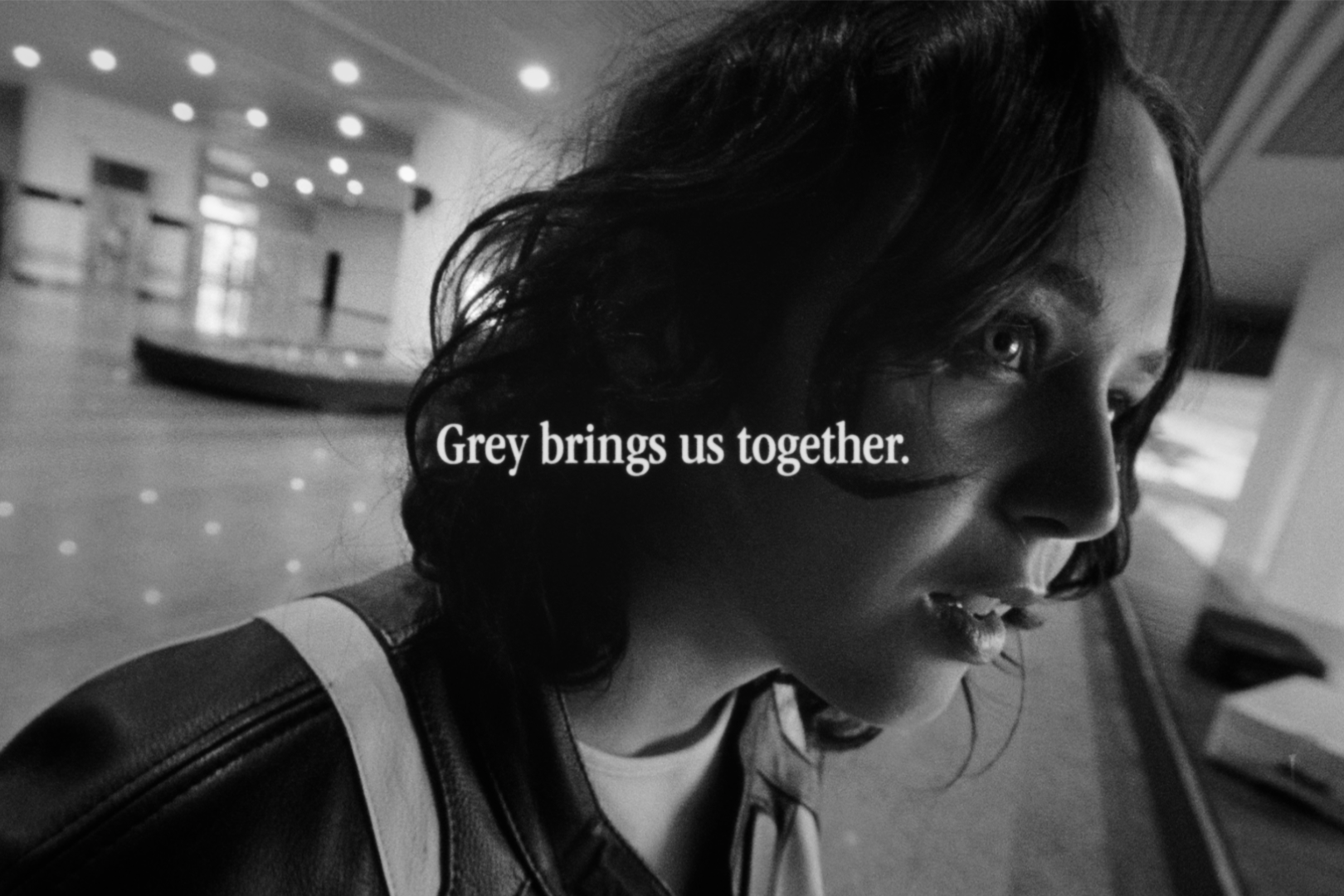
Adsoftheworld.com. “Grey Days.” Ads of the World, n.d.,
https://www.adsoftheworld.com/campaigns/grey-days. Accessed 10 Feb. 2026.
2. COLLABORATIONS THAT CULTIVATE CULTURE
Today’s smartest partnerships do more than blend logos. They merge subcultures, blur categories, and co-create environments that feel insider-led. Think fashion x fitness, beauty x humor, skate x luxury. These mashups unlock deeper meaning when they serve as a passport into a specific identity or scene.
What this unlocks:
Audience allegiance isn’t just about what they buy; it’s about what they belong to. The right partnership doesn’t add reach; it adds relevance.
IRL:
Stüssy × Nike: The 2025 Baltoro capsule dropped globally at chapter stores, embedding exclusivity within local skate shops and merging outdoor performance with streetwear credibility.
Liquid Death × e.l.f. Cosmetics’ “Death to chapped lips” crossover fused punk satire with Gen Z beauty, launching limited merch and makeup collabs that invited fans to join a brand world that didn’t take itself too seriously, yet still sold out.
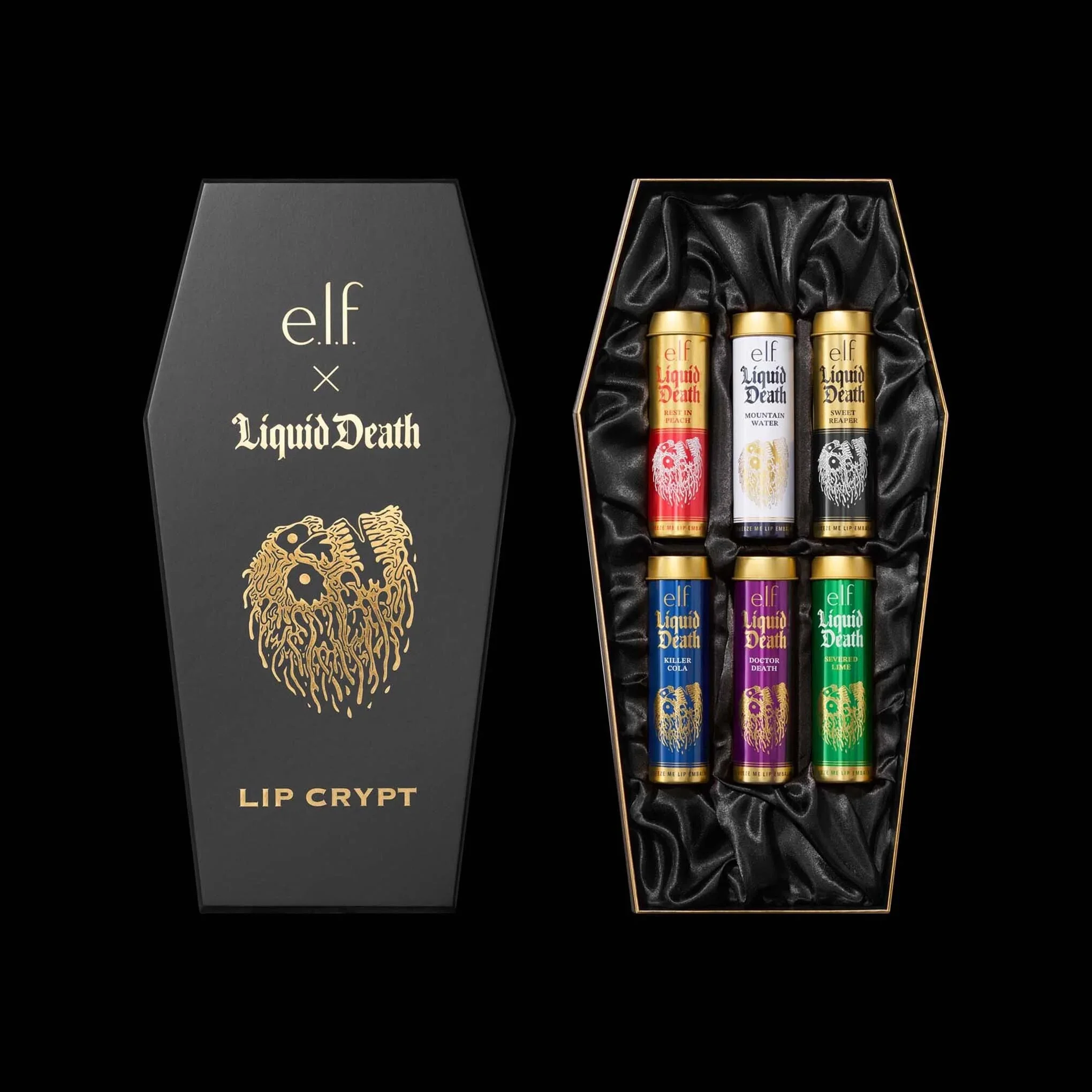
Liquid Death. “Liquid Death x e.l.f.” Liquid Death, n.d.,
https://liquiddeath.com/products/liquid-death-x-elf. Accessed 10 Feb. 2026.
3. INSIGHT-DRIVEN FAN WORLDS
Community intelligence is the new creative brief.
Rather than guessing what audiences want, brands are turning fan data (social signals, Discord chats, TikTok loops) into living experiences. This makes the experience feel less like a broadcast and more like a mirror.
What this unlocks:
When audiences see their feedback reflected in the build, they stick around longer and talk louder.
IRL
Crocs designed new Jibbitz charms based on Discord co-creation sessions with niche fan communities.
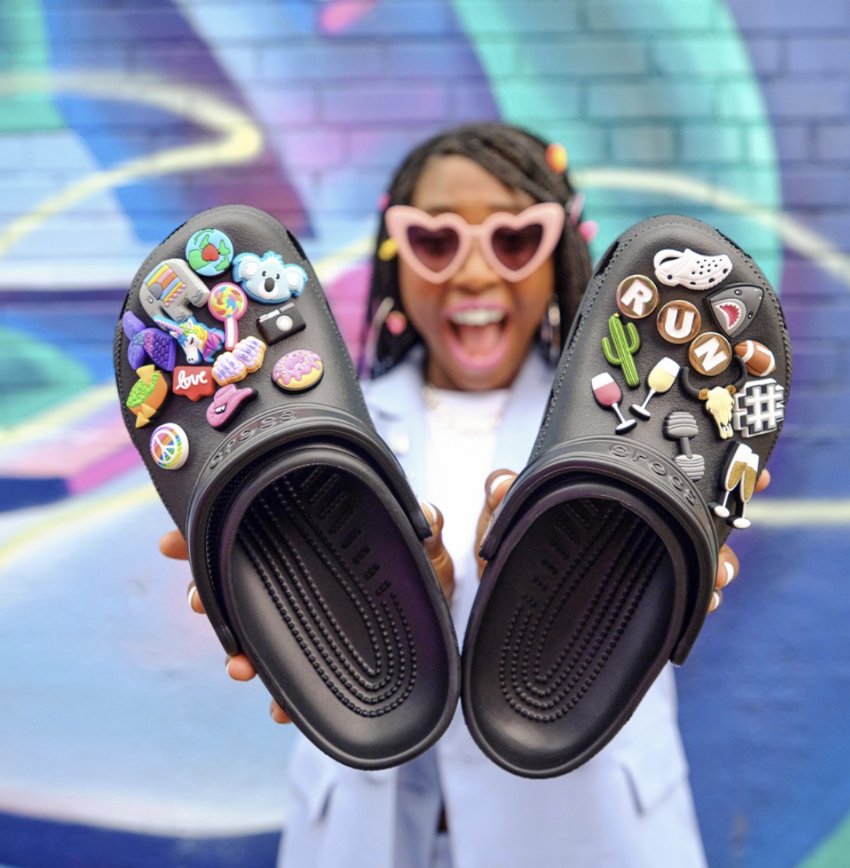
Crocs. “Post featuring customized black Crocs slides with Jibbitz charms.” Instagram, n.d.,
https://www.instagram.com/p/CZPKbatIfhV/. Accessed 10 Feb. 2026.
4. TASTEMAKER RESIDENCY MODELS
Instead of building from the brand outward, brands are inviting cultural leaders in.
By giving local creators the space to host, curate, and lead, brands gain credibility and cultural specificity. These aren’t appearances; they’re takeovers.
What this unlocks:
When brands become platforms for creative voices, they gain traction in scenes that don’t respond to traditional marketing.
IRL
Rimowa: Global Residency Series featured city-specific artists and stylists interpreting the brand in their own way.
Levi’s “Home Turf” immersive pop‑up ran in San Francisco ahead of Super Bowl LX in February 2026, blending fashion, music, local culture, and limited‑edition product collaborations into a multi‑day activation tied to community presence and cultural engagement.
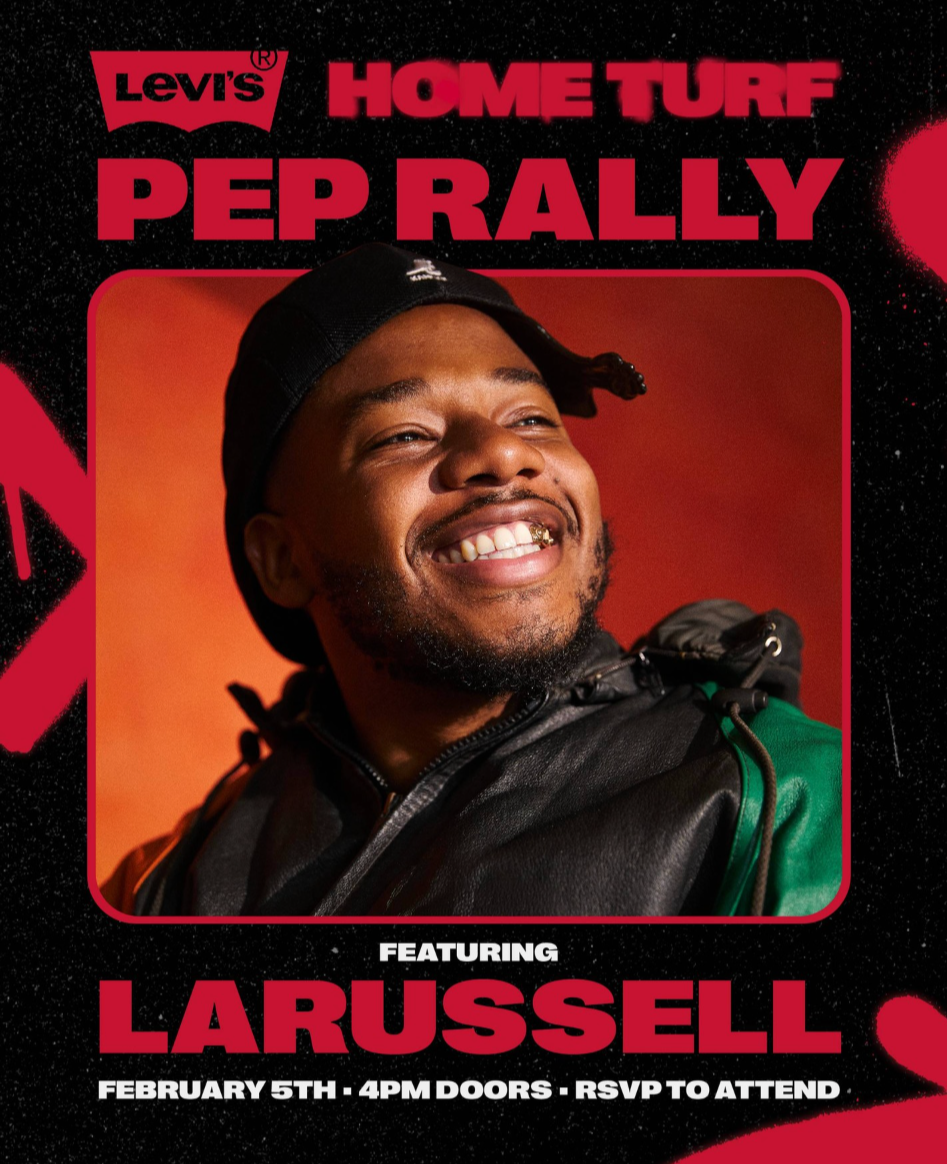
Larussell. “Levi’s ‘Home Turf Pep Rally’ event announcement featuring Larussell.” Instagram, 5 Feb. 2025,
https://www.instagram.com/p/DUQvFK_jD-_/. Accessed 10 Feb. 2026.
5. RECURRING RITUAL FORMATS
We’re seeing a shift toward rhythm: monthly, quarterly, and seasonal formats that build emotional equity over time. These aren’t stunts; they’re habits. People show up because they know what they’re stepping into.
What this unlocks:
When people return to the same brand moment again and again, they don’t just participate; they take ownership.
IRL
Adobe’s recurring Creative Jams bring designers together in cities around the world to solve challenges live. Because they happen regularly and always center peer performance, they’ve become ritual moments in design culture.
Every quarter, Ace Hotel invites global artists to live, work, and create onsite; transforming hospitality into a ritualized platform for cultural exchange. Over time, the program has built an ecosystem of returning guests, local collaborators, and community-first storytelling.
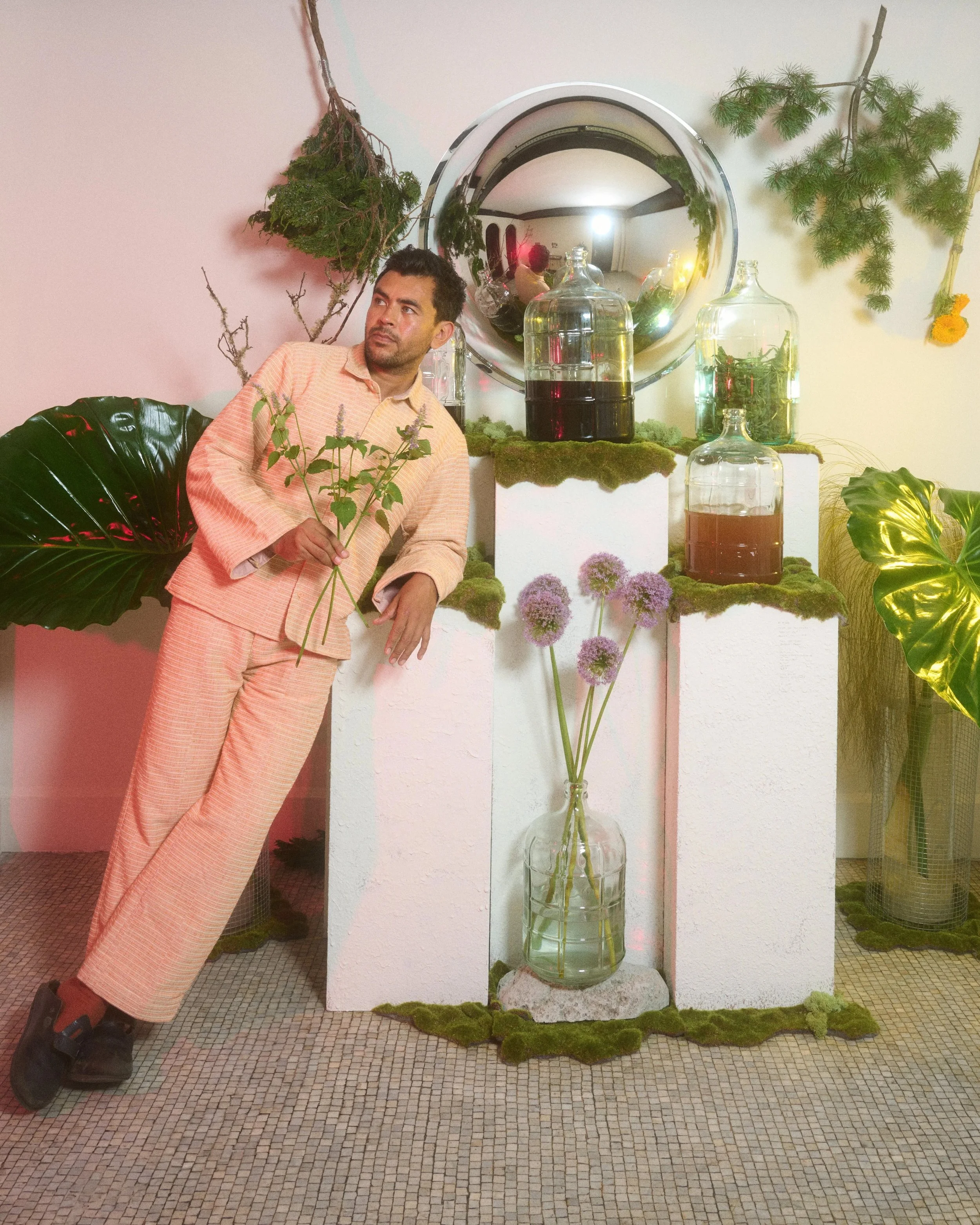
Flaunt Magazine. “ACE 2024–2025 Artist in Residence Program.” Flaunt, n.d.,
https://www.flaunt.com/post/ace-2024-2025-artist-in-residence-program. Accessed 10 Feb. 2026.
WHAT THIS MEANS FOR BRANDS IN 2026
The most effective experiences this year will:
Treat participation as the design principle, not the add-on
Use community insight to shape real-world builds
Design formats that repeat, not just impress
Prioritize co-creation over perfection
Turn fans into collaborators, not just consumers
Participation builds emotional allegiance and with it, long-term cultural equity.
Want to explore what co-creation could unlock for your brand?
Let’s talk about how participatory formats turn insight into intimacy.