
How to Choose an Experiential Marketing Agency
A great brand experience does more than put a company in front of people. It gives consumers a reason to participate, something to remember, and a reason to come back.
That takes more than a strong concept. The right experiential marketing agency needs to understand your business objectives, know your audience, develop the creative strategy, and manage the realities of live event production across cities, venues, vendors, and cultures.
If you’re choosing an agency for a brand activation, retail pop-up, sports or entertainment program, product sampling campaign, or multi-market experiential rollout, here are seven questions worth asking.
1. Do they start with the business outcome?
Before anyone talks about the footprint, fabrication, or photo moment, get clear on what the experience needs to accomplish.
Is the goal product trial? Qualified leads? Retail traffic? Customer acquisition? A stronger sponsorship? Deeper fan engagement?
Those objectives should shape the experiential strategy, investment, creative concept, and measurement plan.
Ask each agency how its idea will move people from knowing your brand to actively engaging with it, and what happens after the experience ends.
2. Can they make it work in the real world?
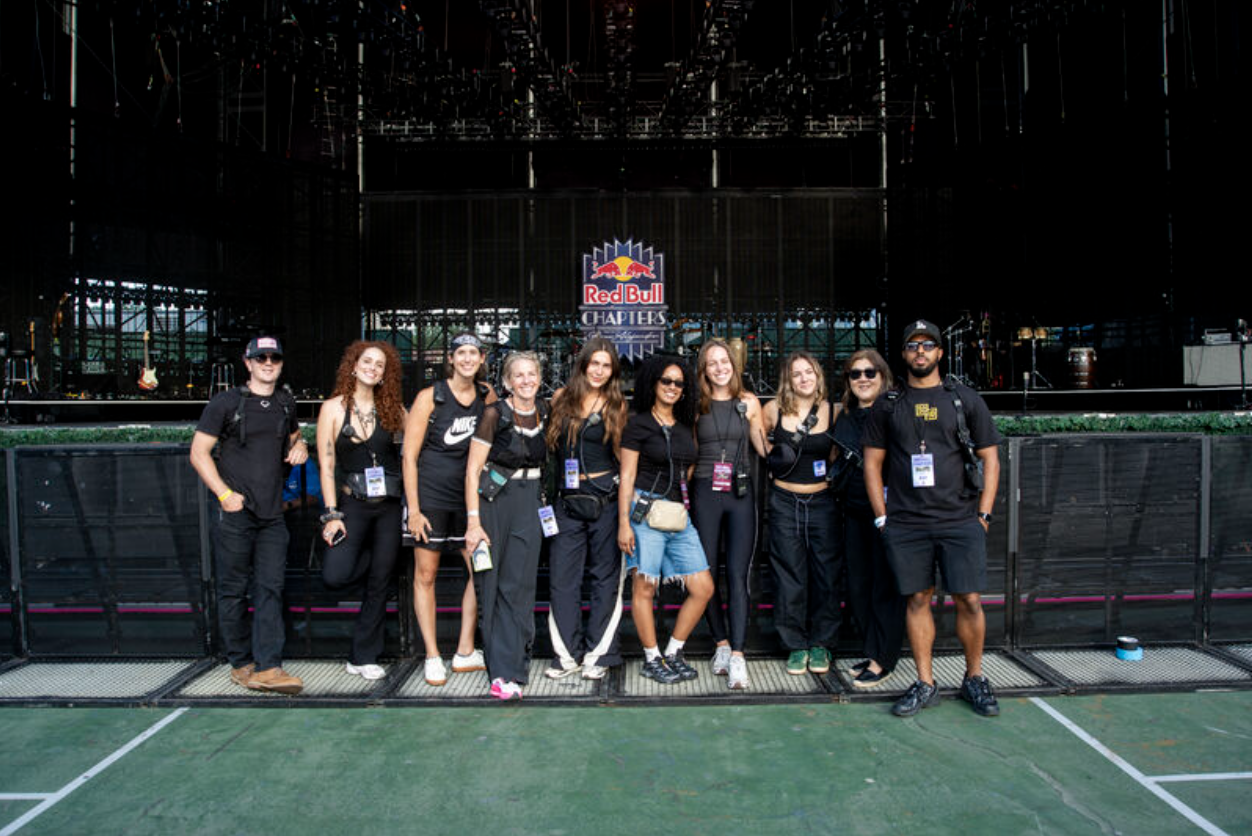
Live experiences expose the distance between a beautiful deck and a workable production plan.
Ask who will own venue coordination, permitting, technical production, fabrication, staffing, vendor management, logistics, load-in, and onsite execution.
For complex brand activations and live events, the agency should be able to protect the creative idea while making the operational decisions required to deliver it.
It is also worth asking what went wrong on a previous large-scale event and how the team solved it. Crisis management and strong vendor relationships often reveal more about an agency than the finished case study.
3. Do they know your category and bring a fresh perspective?
A beverage sampling activation, stadium brand experience, luxury hospitality event, and immersive retail pop-up each come with different audiences, operating requirements, and measures of success.
Relevant category experience matters, but so does the ability to bring useful thinking from other industries.

4. Do they understand why people would show up?
People do not participate because a brand has a message to deliver. They participate because the experience gives them something meaningful: access, discovery, utility, entertainment, connection, or the opportunity to be part of a community.
This matters especially in sports and entertainment marketing, where brands may be entering fan communities that already have their own rituals, language, and expectations.
Ask what the agency knows about the audience, where those insights came from, and how that understanding influenced the concept.
5. Can the experiential campaign scale?
A successful activation may eventually become a touring program, recurring platform, national campaign, or global experience.
Ask what elements of the concept need to remain consistent and what should change by market.
Effective multi-market experiential marketing requires more than recreating the same footprint. It takes a clear creative system, strong production management, trusted local partners, and an understanding of how audiences behave differently from city to city.
6. Will you know what worked?
Measurement should be built into an experiential campaign from the beginning.
Depending on the business objective, that may include attendance, product sampling, qualified brand interactions, lead capture, retail traffic, conversion, social engagement, repeat participation, or hospitality value.
Ask what data can realistically be captured, how the agency will interpret it, and what the results will help you decide next.
A useful post-event report should connect the experience to measurable business outcomes, not simply count impressions and attendance.

7. Will they act like an agency partner, not just a vendor?
The right experiential agency should be willing to challenge a brief, identify opportunities, flag risks early, find better solutions, and stay accountable through execution.
You should know who makes decisions, how scope changes are handled, and whether the people you meet during the pitch are the people who will actually manage the work.
For large-scale experiential campaigns, transparency, collaboration, and trust are practical requirements.
Why brands choose SoHo Experiential
SoHo Experiential is a New York City experiential marketing agency helping enterprise and growth brands create and execute live experiences that connect strategy, creativity, production, and measurable business objectives.
At SoHo, we create fans for brands.
Our approach brings experiential strategy, creative development, audience understanding, event production management, and onsite execution together under one partnership.
That matters for brands looking for more than an event vendor. The goal is to have a strategic partner that understands why an experience should exist, how to make it work in the real world, and how it supports the larger marketing strategy.
If you’re looking for an experiential marketing agency in NYC to help shape and deliver your next brand activation or live event, let’s connect.