
RED BULL CHAPTERS: HOW LIVE MUSIC, CULTURE AND EXPERIENTIAL MARKETING BROUGHT RAUW ALEJANDRO’S STORY TO LIFE
On September 5, I attended the opening night of Red Bull Chapters with Rauw Alejandro at Forest Hills Stadium, an ambitious branded live music experience that SoHo Experiential was proud to help produce in partnership with Red Bull.
The energy was electric before the show even began. Fans raced toward the gates, Red Bull cans were everywhere, and the sold-out crowd knew they were about to experience something different.
It was my first time at Forest Hills Stadium, and I immediately understood why the venue worked so well for Chapters. Open-air, historic, and intimate despite its scale, the stadium brought character to an experience designed around music, culture, storytelling, and fan engagement.
Forest Hills Stadium GM Jason Brandt described Red Bull and the venue as having similar DNA rooted in creating experiences that are “joyful, unique, iconic” and community-driven. He also noted that while the stadium had hosted individual production elements at this level before, Red Bull was the first to bring so many together within one show and “turn the volume up to 11.”
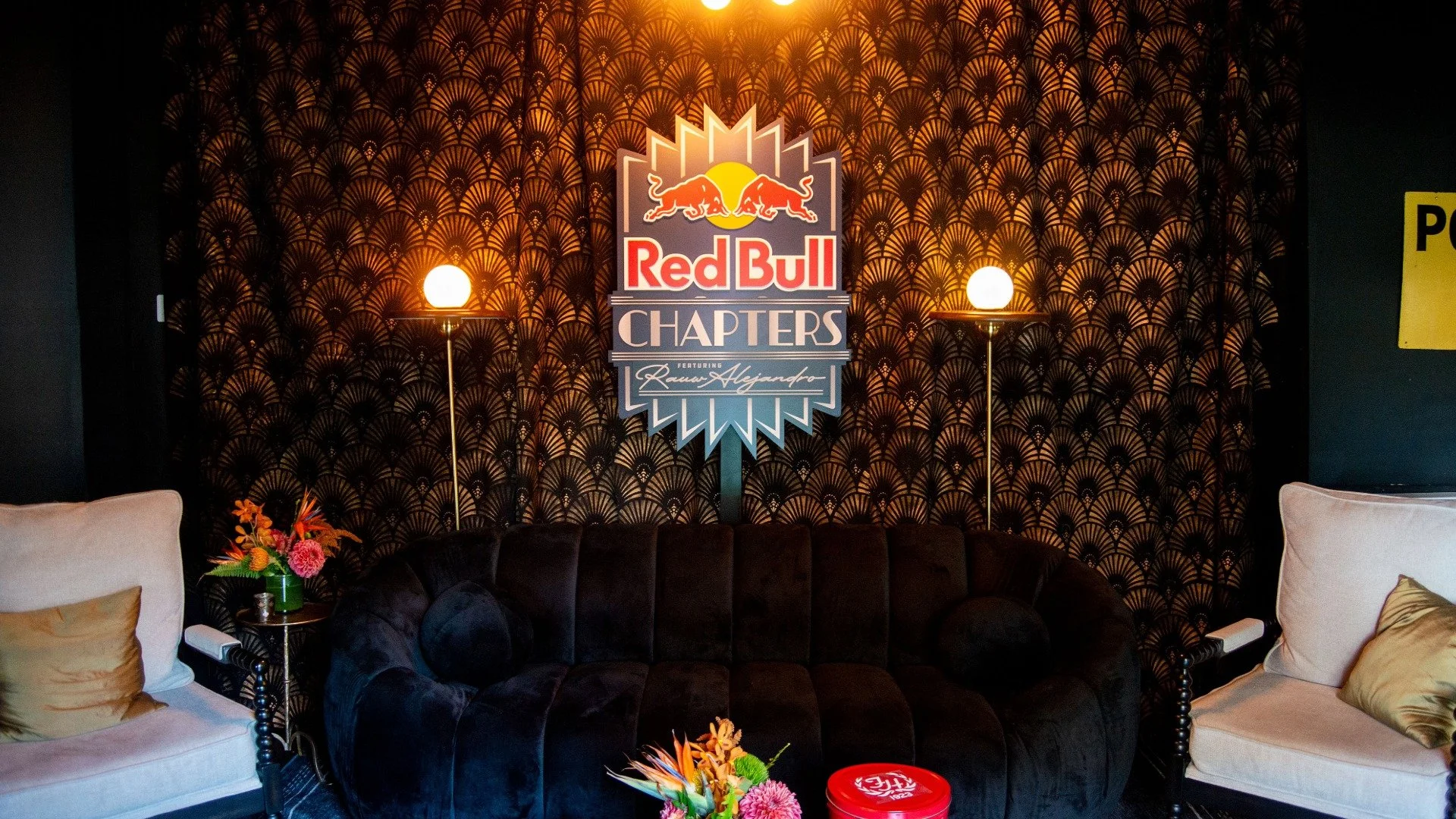
That thinking carried throughout the night. Chapters was more than a concert. It invited fans into Rauw’s journey as an artist, the influences that shaped him, the culture he came from, and the legacy he continues to build.
A LIVE MUSIC EXPERIENCE BUILT AROUND THE ARTIST
What made Chapters different was the way Rauw’s story became the foundation of the live music experience.
The show moved through three acts, Inspiration, Momentum, and Legacy, exploring the people, places, sounds, and experiences that shaped his career. A recurring storybook visual language connected the chapters, while music, dancers, visuals, stunts, and cinematic storytelling brought each part of the journey to life.
Rather than simply moving from one hit to the next, the performance gave fans a deeper look at the artist behind the music.
For brands exploring artist partnerships and entertainment marketing, that distinction matters. The brand was not simply placed alongside the performance. Red Bull helped create an original entertainment property rooted in the artist’s story.
Asa Cary, SoHo’s SVP of Client Services for Live Events, described what was created over the two nights as “uniquely Red Bull” and “uniquely a first,” noting how unusual it is to see a brand take such a central role in creating a spectacle at this scale.
The live event production pushed the boundaries of what could happen within the stadium, from staging and technical production to skydivers and other large-scale stunts. But the spectacle always served the larger story of making Rauw’s world tangible for his fans.
CULTURAL MARKETING WITH PUERTO RICAN IDENTITY AT THE CENTER
Many of those details were far more intentional than an attendee might initially realize.
For the Walgreens brand activation, the team recreated elements inspired by a specific Puerto Rico storefront, including architectural details, colors, proportions, and signage. Lauren Wechman, who worked on the client services team for Chapters, explained that the goal was to make the activation feel authentic to the community rather than simply placing a brand inside the event.
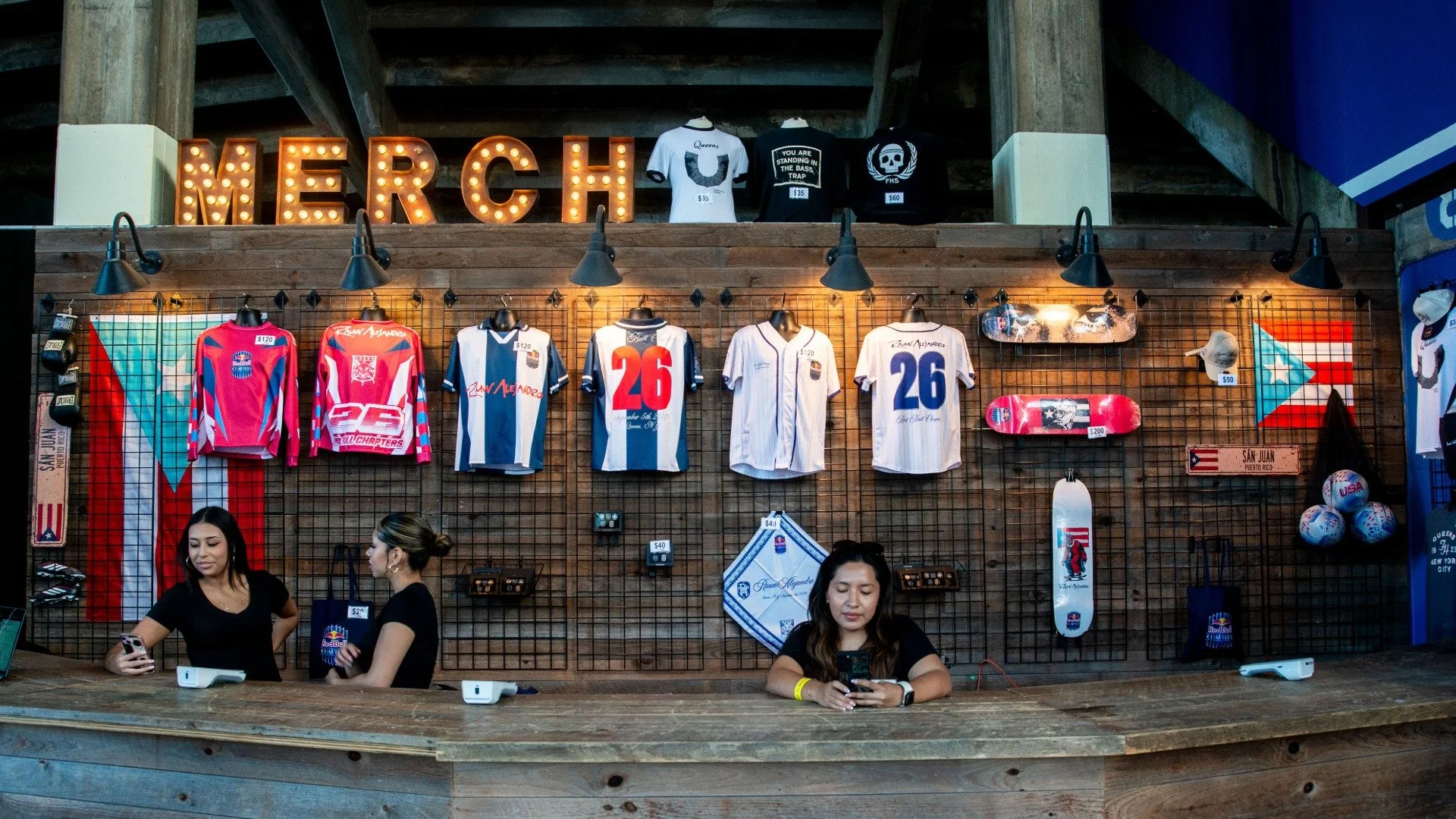
That same thinking carried into the merchandise environments. Soccer cleats, a soccer ball, Puerto Rican flags, and references to Rauw’s life and upbringing were incorporated into the displays so the spaces surrounding the performance remained connected to his story.
Katie Hansen, SoHo’s VP of Production and executive producer at the event, also spoke about how granular those decisions became. Even the Walgreens façade was researched to reflect the look of historic buildings in San Juan, from the proportions of the doors and windows to the appearance of the storefront panels.
For brands investing in cultural marketing and experiential brand activations, these details are important. Cultural relevance comes from understanding the artist and audience well enough to build the experience around them, rather than adding branding on top of the culture already there.
THE FAN EXPERIENCE STARTED BEFORE THE SHOW
One of the things I loved most was how much there was to discover before Rauw ever took the stage.
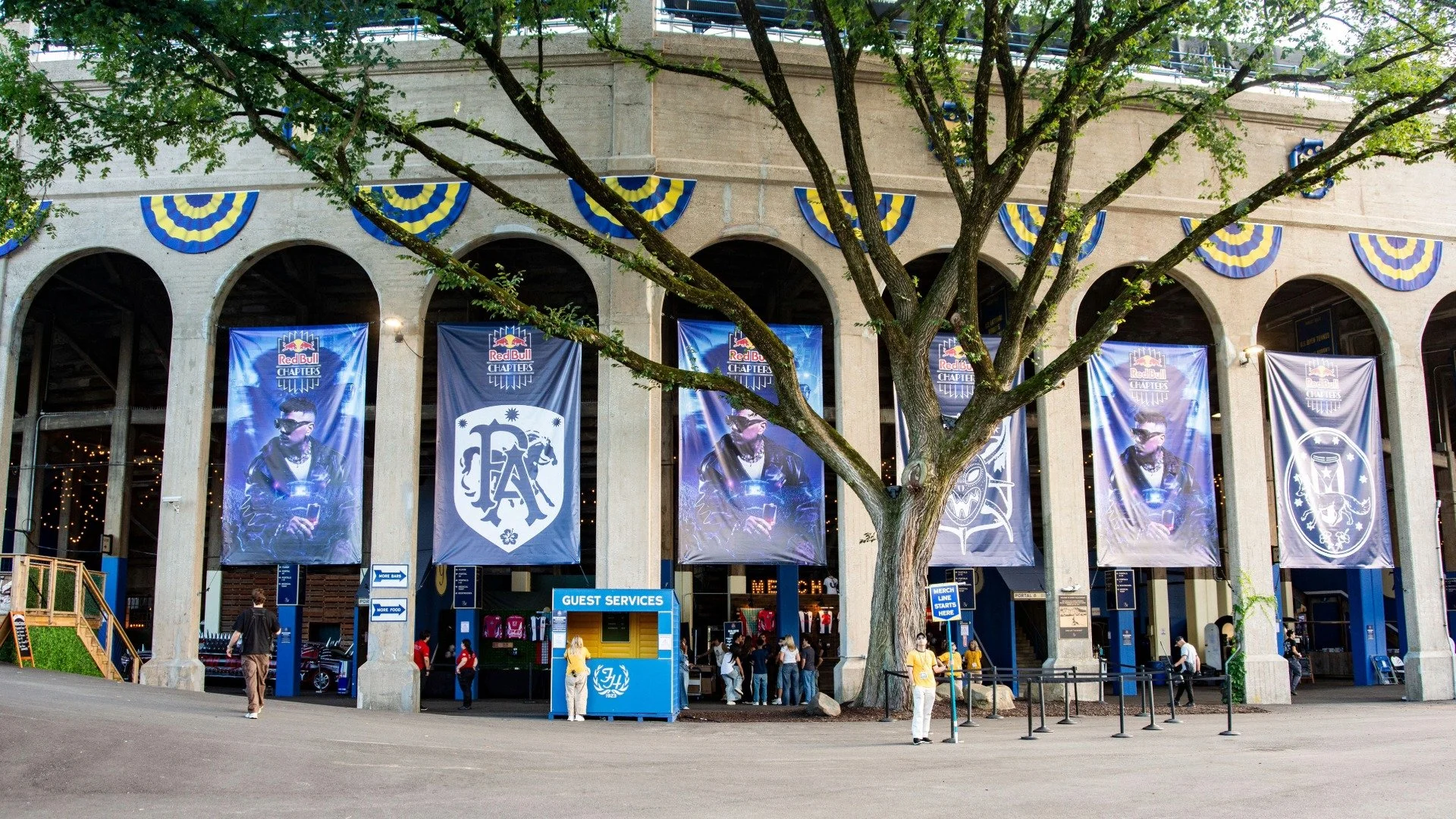
The experience extended throughout Forest Hills Stadium, with branding, costume displays, merchandise, the Walgreens activation, and other touchpoints reflecting different chapters of his career. Fans could explore the grounds, take photos, and connect with the story before entering the performance itself.
That fan journey was deliberate.
Asa explained that rather than filling the venue with activations that could create long lines or slow people down, the team focused on a smaller number of visible storytelling moments fans could naturally discover as they moved through the venue.
Even banners became organic photo moments because fans wanted to document their experience.
The costume displays created another type of connection. Fans could see iconic pieces from Rauw’s career up close, giving them physical access to something they had previously experienced through music, performances, and screens.
For marketers, this is where fan engagement and experiential marketing can extend the value of a live music partnership. The performance may be the centerpiece, but the surrounding environment gives audiences additional ways to discover, participate, share, and remember.
DESIGNED AROUND THE FAN COMMUNITY
The biggest takeaway for me was how deliberately the experience was designed around the fans.
That extended all the way to Rauw himself.
Being close to them, whether on the B-stage or moving toward the crowd from the main stage, became an important part of the show.
Once the performance began, that connection was impossible to miss.
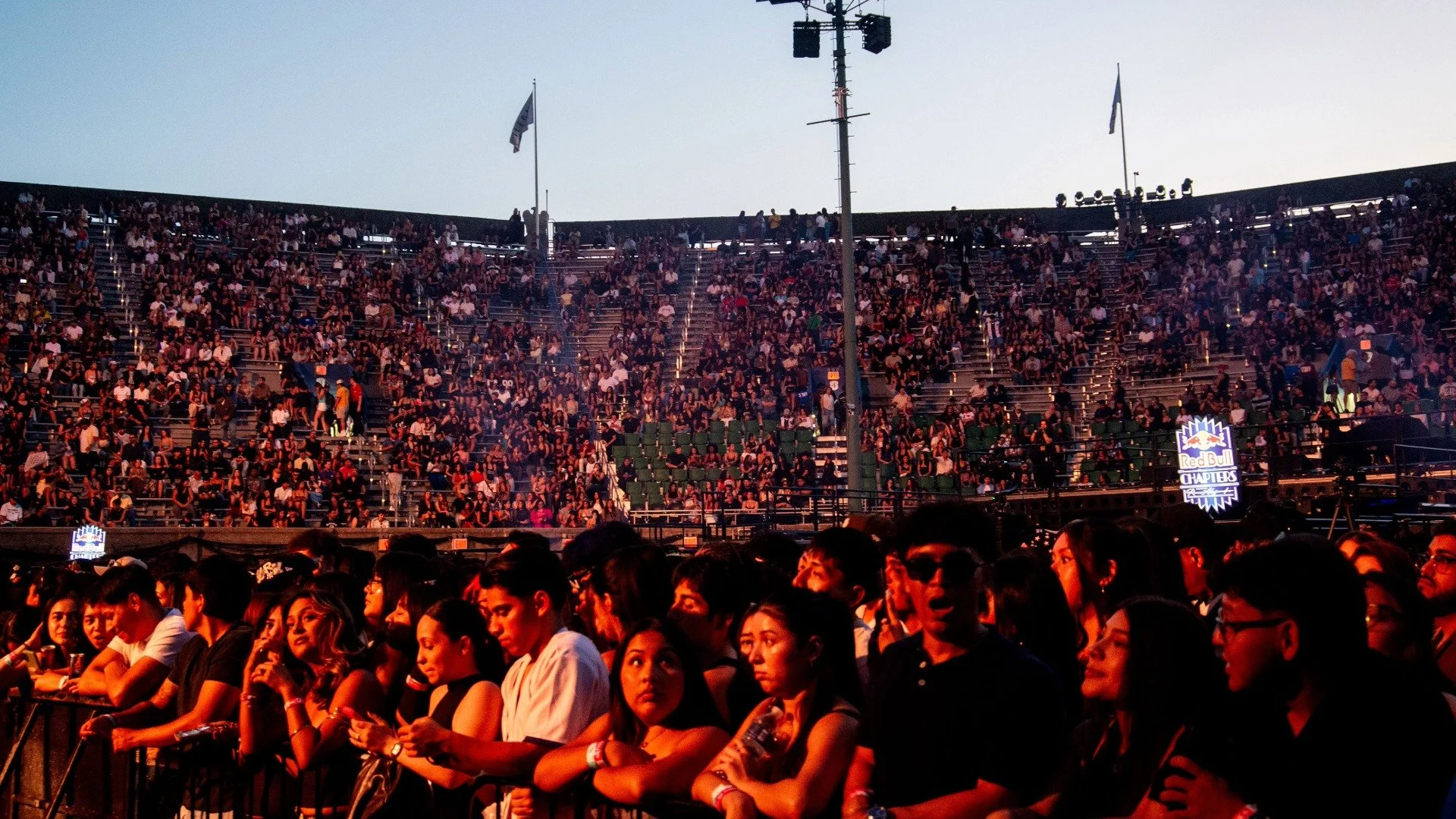
Thousands of fans sang, danced, reacted to surprise guests, and experienced the show collectively. Jason described the most compelling part of the evening as watching the fan community “activate and come to life in the stadium.”
Even with the scale and cutting-edge production, the audience remained at the center.
THE LIVE EVENT PRODUCTION BEHIND THE EXPERIENCE
What fans experienced was only the final layer of an enormous production effort.
Chapters required nearly a week of load-in, with tightly coordinated truck schedules, multiple stages, production teams, venue crews, artists, vendors, and partners operating within the same environment.
More than 40 vendors were contracted and managed as part of the production, demonstrating the complexity behind bringing a large-scale stadium activation and branded entertainment experience to life.
Lauren described the process as a constant exercise in communication, understanding which team owned each element and making sure nothing fell through the cracks.
Asa summarized it simply: “This took an insane number of pieces to accomplish.”
According to Katie, one of the biggest successes was the way those different teams ultimately came together. As showtime approached, collaboration and alignment became increasingly important, with each partner leaning into their expertise so that when fans entered the stadium, the complexity behind the scenes felt seamless.
That is one of the clearest signs of successful live event production. The audience experiences the finished world without seeing the thousands of decisions required to create it.
THE SOHO TAKE
The music brought people to Forest Hills Stadium, but the storytelling, cultural references, physical environments, brand integrations, and opportunities for participation gave fans more ways to connect with Rauw’s world.
For brands considering live music sponsorships, artist partnerships, branded entertainment, stadium activations, or entertainment marketing, Chapters offers a powerful example of how a partnership can extend beyond traditional sponsorship.
The opportunity is not simply to put a brand next to culture. It is to understand the artist, audience, and community well enough to create something that genuinely belongs within it.
As a New York City experiential marketing agency, SoHo Experiential helps brands bring complex live experiences to life through strategy, production, brand activations, entertainment partnerships, and large-scale event execution.
After months of renderings, budgets, production planning, vendor coordination, and collaboration, seeing fans finally experience Chapters made all of those details worth it.
Congratulations to Red Bull and every team and partner who helped bring Red Bull Chapters to life. We’re grateful to have been part of a project that felt so specific to Rauw, his story, and the fan community surrounding him.
The most powerful live experiences are not simply the ones audiences watch. They are the ones people genuinely want to be part of.