
The Comeback of Small Format: Think Smaller. Win Bigger.
The most impactful experiential strategies in 2026 aren’t the loudest. They’re the most intentional: designed to be local, intimate, and repeatable. After years of chasing virality, brands are shifting toward something quieter but more resonant: experiences that travel light, scale smart, and create space for real connection.
Call it a comeback, but small-format experiences never truly disappeared. They just stopped being the default. Now, they’re leading the charge.
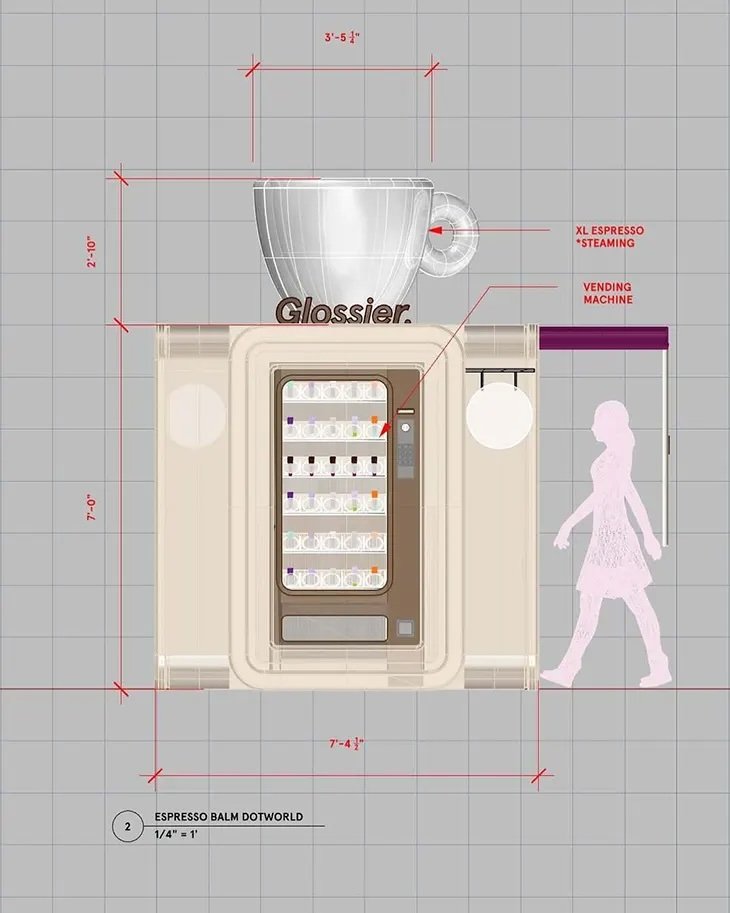
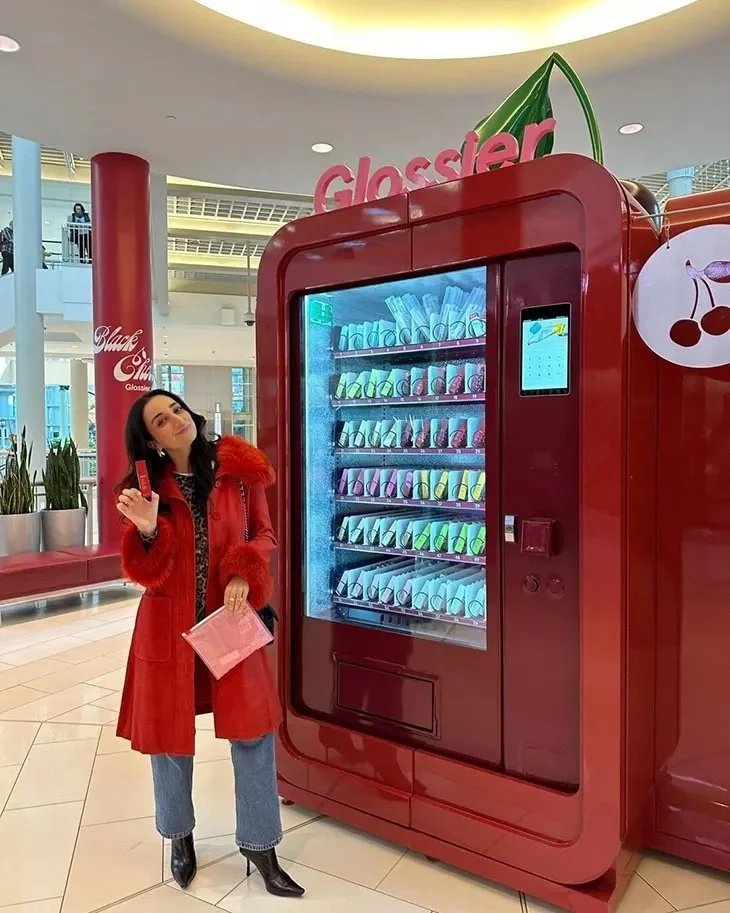
Design Scene. “Glossier Launches Limited Edition K67 Pop-Up Shops.” Design Scene, 29 May 2025, www.designscene.net/2025/05/glossier-k67-pop-ups.html.The Spectacle Fatigue Is Real. And So Is the Shift.
We’re seeing it everywhere: Gen Z and Millennial audiences are craving depth over dazzle. Faster internet hasn’t made us more connected; it’s just made us more selective. Today’s attention economy rewards clarity, utility, and cultural authenticity over splashy one-offs.
At the same time, marketing budgets are under pressure, and teams are being asked to deliver more value from fewer activations. That’s led to a new appetite for modular builds, local amplification, and experiences that can flex, repeat, and scale.
Cultural signals:
Glossier’s mobile retail pods replace the traditional flagship with modular, localized “pop-in” experiences. These pods blend try-before-you-buy culture with community-based storytelling, often integrating salon-style events like makeup tutorials, neighborhood creator panels, and scent-making workshops
Nike’s community-led launch formats at House of Innovation create community-first activations that give local voices center stage. From creator-led workouts to panel talks with neighborhood changemakers, the brand trades one-size-fits-all spectacle for modular programming that reflects hyper-local identities.
Recess (IRL) is designing their in-person activations not as big splashy events, but as calm, low-stimulation, workshop-like environments that embody their brand values of calm, clarity, and creativity.
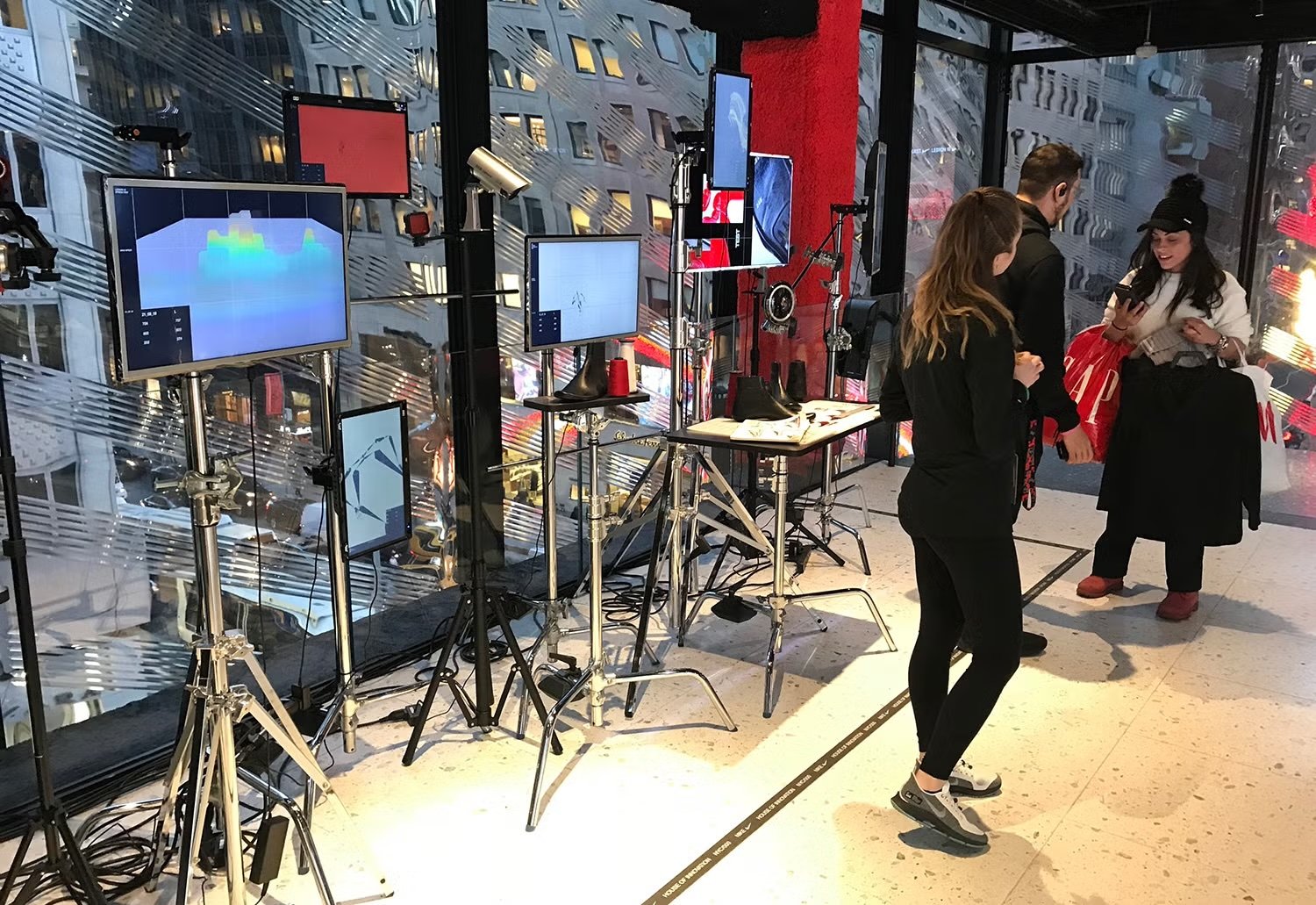
Event Marketer Staff. “Nike's Flagship NYC Retail House of Innovation Gives Shoppers a High-Tech, Immersive Experience.” Event Marketer, 7 Dec. 2018, www.eventmarketer.com/article/nikes-flagship-nyc-retail-house-of-innovation/.
Small Formats. Big Returns.
Let’s break down why small formats are winning across four dimensions:
Emotional: These experiences are intimate by design. Guests feel seen. They linger longer. Memory and brand warmth increase because the experience feels like a gift, not a grab.
Operational: They’re faster to activate and easier to repeat. Whether in retail footprints, campuses, or small hospitality spaces, small formats allow brands to experiment and optimize.
Cultural: Small formats mirror the moment. They prioritize intentionality, sustainability, and local relevance. They feel like something you discover, not something that just happens to you.
Measurable: These formats create clean data. CRM capture is built-in. Attribution is clearer. Optimization is live. Every moment serves a signal.
Design for Intimacy. Build for Scale.
Here are four formats we’re seeing succeed in 2026:
Pop-In Labs: Mini activations inside existing community spaces (like cafés, gyms, and retail stores). Often education- or demo-forward, with a tight narrative arc.
Purpose: Trial, education, and creator content.
Traveling Homes: A modular brand world with one aesthetic, three sensorial cues, and a rotating cast. Think: soft lighting, curated music, local collaborators.
Purpose: CRM capture, emotional immersion.
Peer-Led Workshops: Community experiences hosted by tastemakers or creators. Often paired with physical kits, rituals, or tool-building moments.
Purpose: Participation, loyalty, co-creation.
Local Salons: Conversation-forward formats with a host, a point of view, and a small invited audience. Branded, but not branded content.
Purpose: Thought leadership, cultural credibility, and brand intimacy.
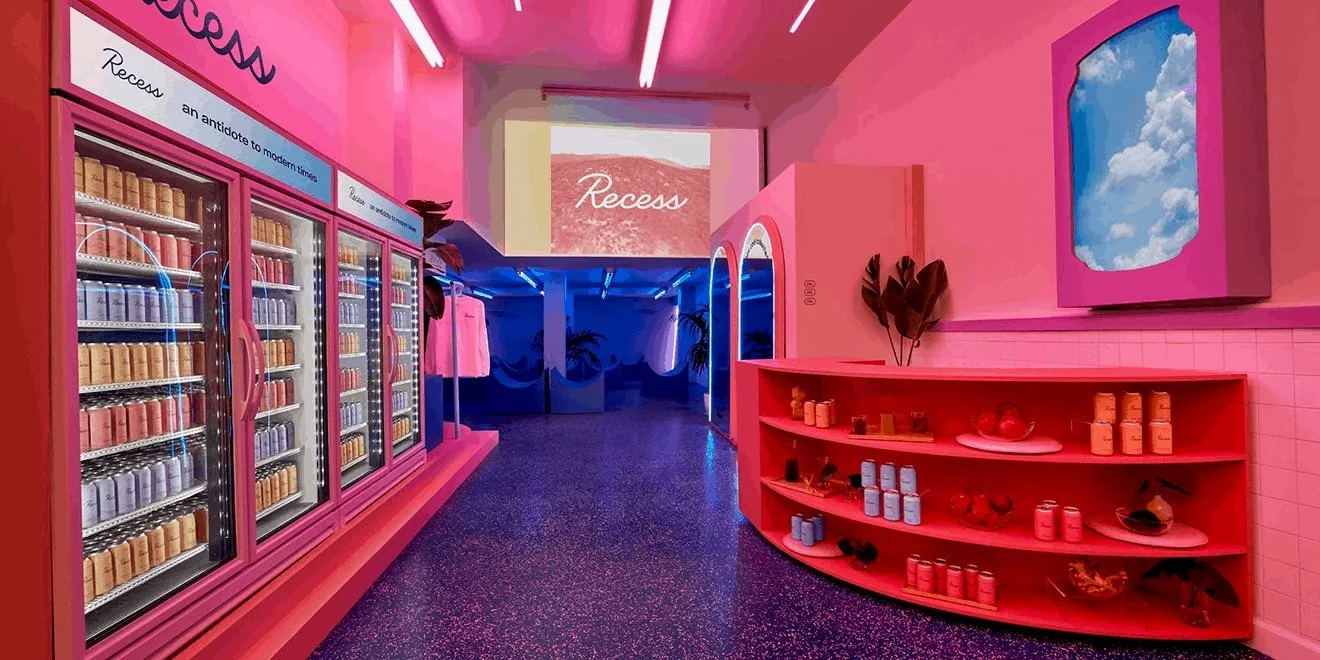
Wohlfeil, Samantha. “CBD Sparkling Water Brand Recess Opened a Pop-Up Oasis for Creatives.” Adweek, 21 Oct. 2019, www.adweek.com/brand-marketing/cbd-sparkling-water-brand-recess-opened-a-pop-up-oasis-for-creatives/.
Small Format Metrics That Matter
Dwell time per guest
Scan-to-trial conversion
CRM opt-ins per square foot
Earned content yield
Return guest percentage
What We’ve Learned from Designing Small
Small formats are powerful, so long-term impact requires shared budgets across departments.
Small scale forces smarter storytelling; every touchpoint counts.
Guests don’t want to be impressed. They want to be involved.
The best small moments feel personal, not promotional.
What To Build This Quarter
Redesign one upcoming footprint at half the size and double the meaning.
Launch a creator-led experience that guests would pay to attend.
Pick one key metric (trial, signup, repeat) and build the format around that signal.
Planning something big? Build a small-format companion that extends the story.
Let’s Build the Next Format
The brands that win in 2026 won’t just show up. They’ll build formats that matter, travel, and scale.
Let’s design something intimate, intelligent, and unforgettable.