
Why the next era of experiential marketing will feel more considered
For years, experiential marketing chased scale. Bigger rooms. Louder moments. More content, more impressions, more spectacle.
In 2026, the work that actually moves people looks different.
Across retail, events, culture, and brand environments, we’re seeing a clear shift away from excess and toward intention. Experiences are being designed to protect attention, support regulation, and create meaning rather than overwhelm.
Below, we unpack the signals shaping what we’re calling “The Year of Intentional Experience” and what brands should build next.
CALM AS A STATUS SIGNAL
Luxury used to mean access. Then it meant speed. Now it means quiet.
From hush rooms to slower programming and comfort-forward layouts, audiences are gravitating toward environments that actively protect their attention. Calm is no longer passive. It’s designed.
Forecasts from WGSN point to Digital Privilege, the ability to disconnect, as an emerging marker of status. In parallel, Guardian Design reframes safety, comfort, and emotional regulation as foundational design choices, not add-ons.
What’s notable isn’t just the presence of calm spaces, but their visibility. Brands are no longer hiding rest areas or quiet zones. They’re signaling care as part of the experience narrative.
What this unlocks:
When people feel protected, they stay longer. When they stay longer, they engage more deeply. Calm isn’t anti-engagement. It’s what makes engagement sustainable.
IRL
Apple: Retail environments prioritize openness, sound control, and unhurried pacing. Genius Bar interactions are intentionally calm, seated, and conversational.
Aesop: Stores function as sensory refuges: muted palettes, scent discipline, architectural restraint.
MUJI: Minimalism paired with cognitive relief. Stores reduce decision fatigue by design.
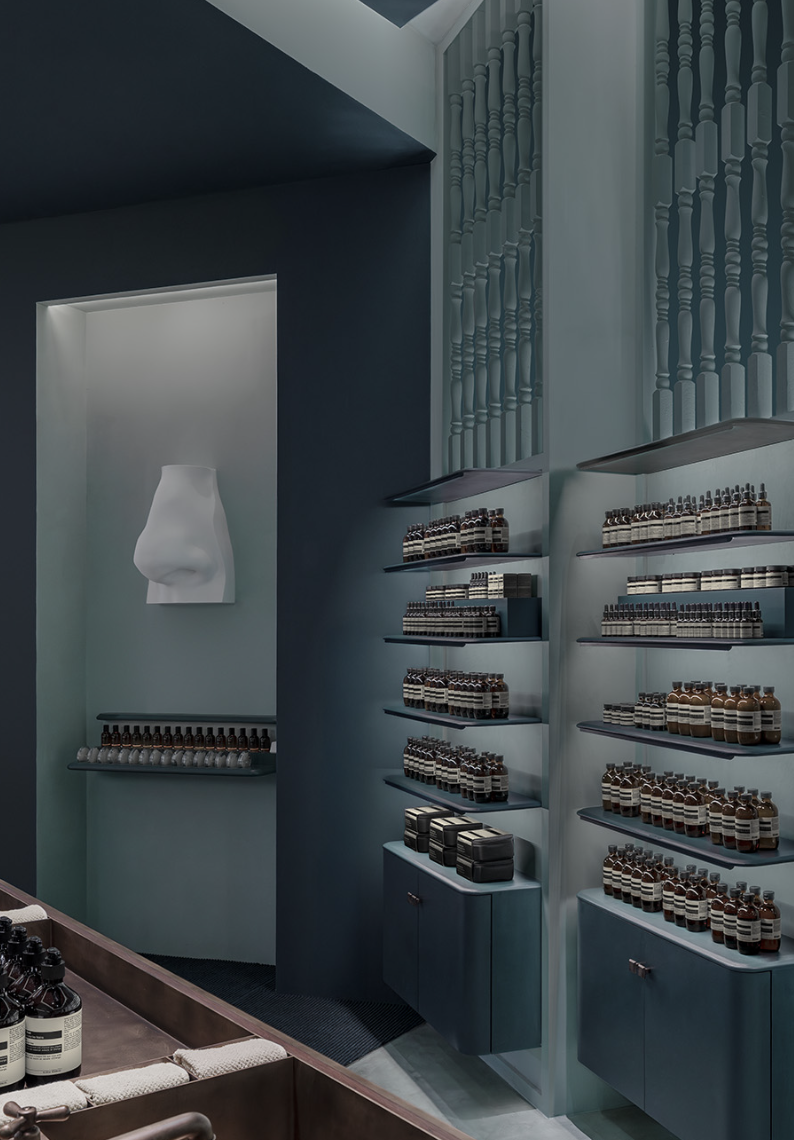
@aesop “Post.” Instagram, Instagram, www.instagram.com/p/DS7Fh-AkiSP/. Accessed 13 Jan. 2026.
2. COMMUNITY-DRIVEN RETAIL REPLACES THE PITCH
Retail is increasingly less about selling and more about teaching, hosting, and convening.
Stores are functioning like clubhouses: workshops, creator-led sessions, micro-gatherings, and short-run programming that invites participation rather than persuasion.
Storefront trend analysis shows that the most effective retail environments in 2026 are modular, flexible, and programmed with community in mind. AI is present, but quietly used to personalize the experience without interrupting it.
This shift acknowledges a simple truth: people don’t need more things explained to them. They need reasons to care.
What this unlocks:
Retail that builds relationships first earns permission to sell later. Education and usefulness become the strongest conversion tools.
IRL
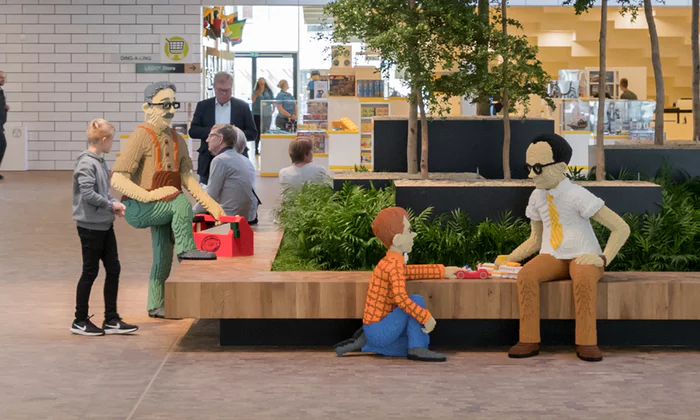
“In-Store Customer Experience Strategy at LEGO.” Future Stores, WBR Research, futurestores.wbresearch.com/blog/lego-in-store-customer-experience-strategy. Accessed 13 Jan. 2026.
3. CREATION STATIONS OVER PHOTO OPS
The era of the branded step-and-repeat is fading.
In its place: creation stations. AI-enabled kiosks, content labs, and on-the-fly tools that let guests make something uniquely theirs: an image, a video, a soundbite, a digital artifact.
CES 2026 coverage repeatedly surfaced these moments as high-performing because they shift the guest from subject to collaborator.
The output matters, but the authorship matters more.
What this unlocks:
When guests co-create, the content travels further and feels more personal. Creation increases dwell time, emotional attachment, and post-event sharing without forcing it.
IRL

“Inside Retail Strategy: Lush.” Insider Trends, insider-trends.com/inside-retail-strategy-lush/. Accessed 13 Jan. 2026.
4. MULTI-SENSORY WITH PURPOSE
Multi-sensory experiences aren’t new. What’s new is why they’re being used.
Sound, texture, light, and movement are increasingly deployed to reduce anxiety, support learning, and aid emotional processing. At CES, therapeutic XR tools and sensor-enabled play systems pointed to a future where immersion isn’t about awe; it’s about care.
This marks a shift from spectacle to support.
What this unlocks:
Experiences that help people feel regulated and present build trust. Trust is the foundation of loyalty.
IRL
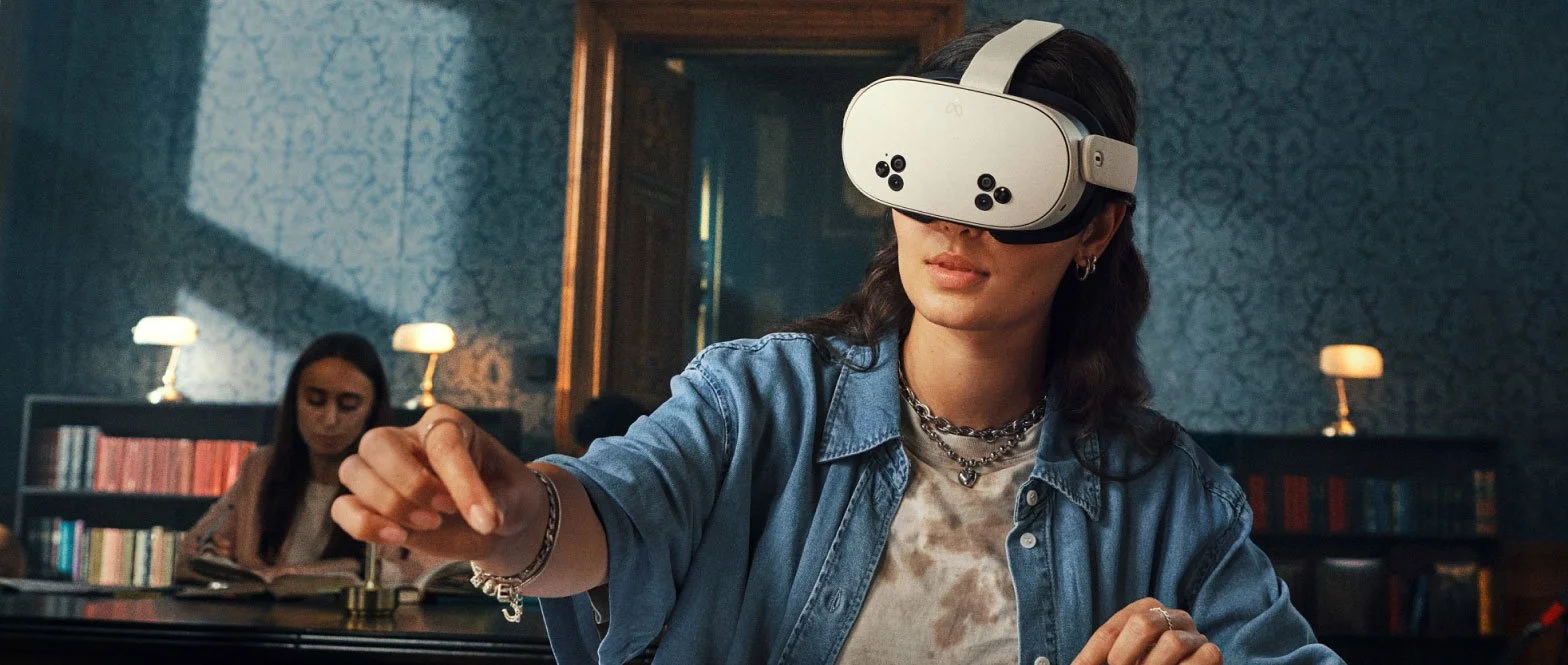
“VR Immersive Learning: Improving Education.” Meta for Work, Meta Platforms, Inc., forwork.meta.com/blog/vr-immersive-learning-improving-education/. Accessed 13 Jan. 2026.
5. SMALL-FORMAT STORYTELLING OVER SCALE
When the goal is meaning, intimacy outperforms reach.
Invite-only dinners, salons, and curated conversations are becoming more culturally resonant than large, splashy rooms. These moments trade mass attendance for depth of connection.
Recent gatherings curated by Vogue100 Women exemplify this shift. Tight guest lists. Clear values. Conversation as the centerpiece.
These experiences don’t need amplification to feel powerful. Their value comes from who is in the room and how intentionally it’s designed.
What this unlocks:
Smaller formats create stronger advocates. Advocacy travels further than awareness.
IRL
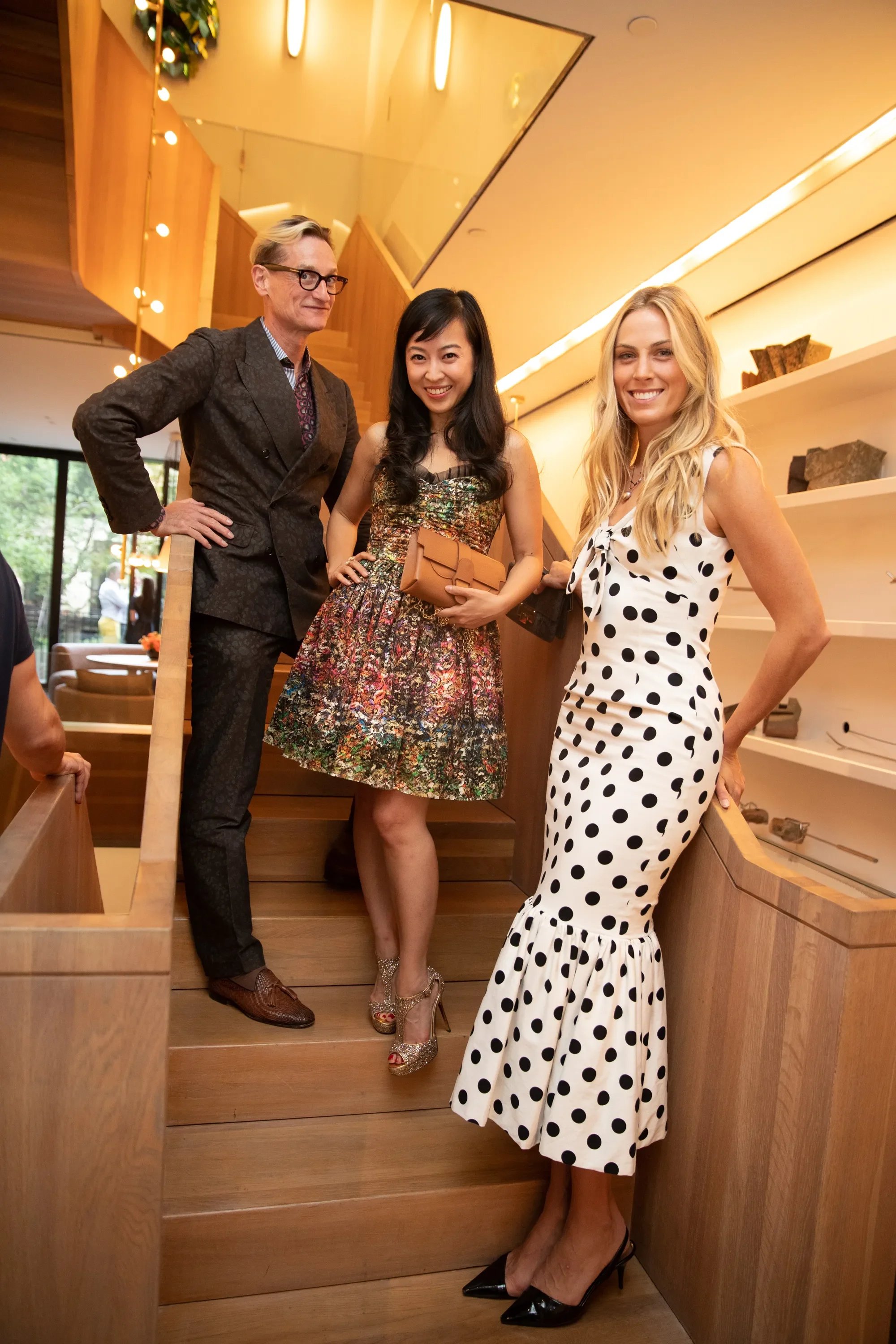
“Vogue100 Fashion Week Cocktail Party.” Vogue, Condé Nast, www.vogue.com/slideshow/vogue100-fashion-week-cocktail-party. Accessed 13 Jan. 2026.
6. RETAIL JOURNEYS ARE SHORTENING ON PURPOSE
Attention is limited. Confusion kills conversion.
Retail environments are being redesigned as chaptered journeys: understand, try, and decide under 90 seconds. Phygital touchpoints, AI-assisted fitting, and click-to-collect flows reduce friction and make decisions feel confident rather than rushed.
This isn’t about rushing the guest. It’s about respecting their time.
What this unlocks:
Clear paths to cart increase trust and measurability while improving the guest experience.
IRL
Warby Parker: Clear try-on flows, fast decision loops, seamless online-offline handoff.
Tesla: Minimal showrooms focused on education, digital-first configuration and purchase, zero-pressure path from learning to decision.
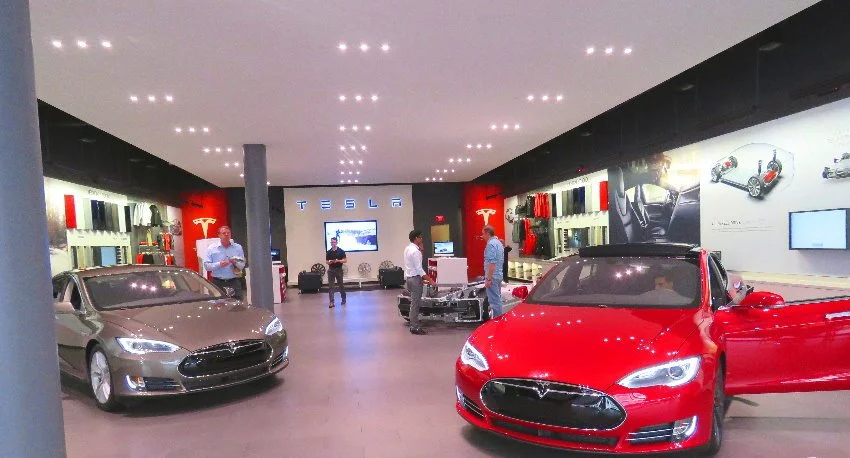
“My Visit to a Tesla Showroom: A Big Review, Some Good and Bad Observations on the Product and Experience.” Steemit, steemit.com/cars/@nolnocluap/my-visit-to-a-tesla-showroom-a-big-review-some-good-and-bad-observations-on-the-product-and-experience. Accessed 13 Jan. 2026.
7. AI AS A QUIET CO-PILOT
In 2026, the most successful AI doesn’t announce itself.
Instead of panels and flashy demos, AI is showing up backstage: personalized schedules, wayfinding, content recommendations, and thoughtful follow-ups that feel human rather than automated.
Event tech reporting shows that predictive communication and light-touch personalization are now the norm, not the experiment.
What this unlocks:
AI that reduces friction enhances experience. AI that demands attention distracts from it.
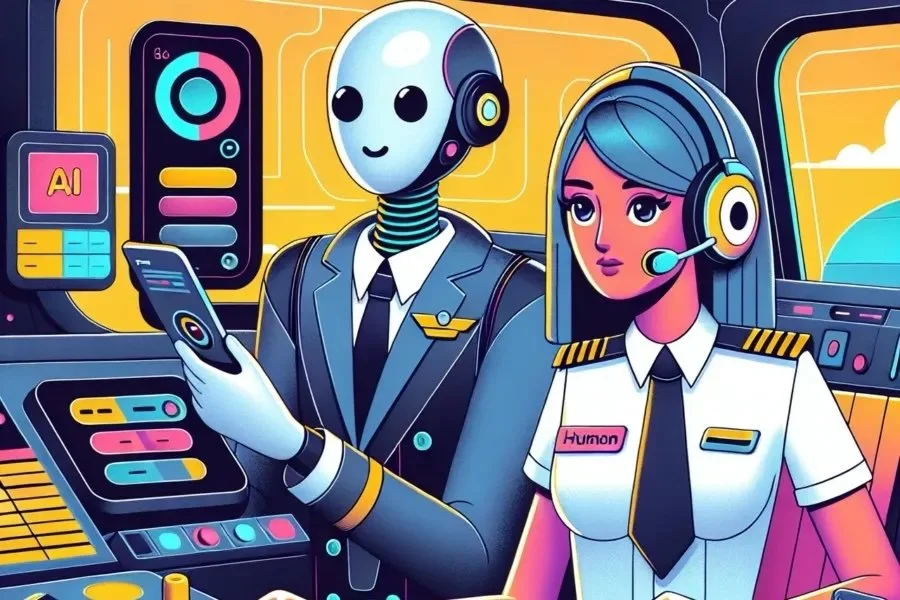
“AI as Your Co-Pilot: Powering an Impact-Driven Future.” Medium, Meetslick, meetslick.medium.com/ai-as-your-co-pilot-powering-an-impact-driven-future-9d146cfe1ce6. Accessed 13 Jan. 2026.
8. VALUES are VISIBLE IN THE BUILD
Sustainability and accessibility are no longer theoretical values. They’re expected to be experienced on site.
Circular fixtures, modular builds that travel, accessible layouts, and transparent material choices are becoming baseline. Audiences notice when care is operationalized, not just stated.
This isn’t about perfection. It’s about proof.
What this unlocks:
When people can see and feel care, brand trust deepens.
IRL
IKEA: Circular materials, modular builds, transparent sustainability messaging.
Patagonia: Repairability and longevity built into physical experiences.

“Patagonia Repair Review.” Gearist, www.gearist.com/patagonia-repair-review/. Accessed 13 Jan. 2026.
What This Means for Brands in 2026
The most effective experiences this year will:
Protect attention instead of competing for it
Favor participation over performance
Use technology to remove friction, not add noise
Design for regulation, not stimulation
Prioritize meaning over mass
Intentionality isn’t a constraint. It’s a creative advantage.
Want to see how these trends translate into real-world builds?
Let’s talk about signals, examples, and applied takeaways shaping the future of brand experience.
Subscribe to stay ahead of what people will feel next.