
The Cultural Shift from Spectacle to Scalable Experience
For much of the last decade, experiential marketing mirrored the internet. It was fast, visually loud, and optimized for shareability. The bigger the footprint, the bigger the impact seemed. Spectacle became shorthand for ambition.
That approach made sense in a culture obsessed with scale. But culture has shifted.
Audiences are more selective with their time. Trust is harder to earn. Attention is no longer freely given to the loudest brand in the room. After years of digital saturation and post-pandemic recalibration, people are increasingly drawn to experiences that feel intentional, contextual, and repeatable rather than explosive and fleeting.
The future of experiential marketing strategy is not louder. It is more structurally intelligent.
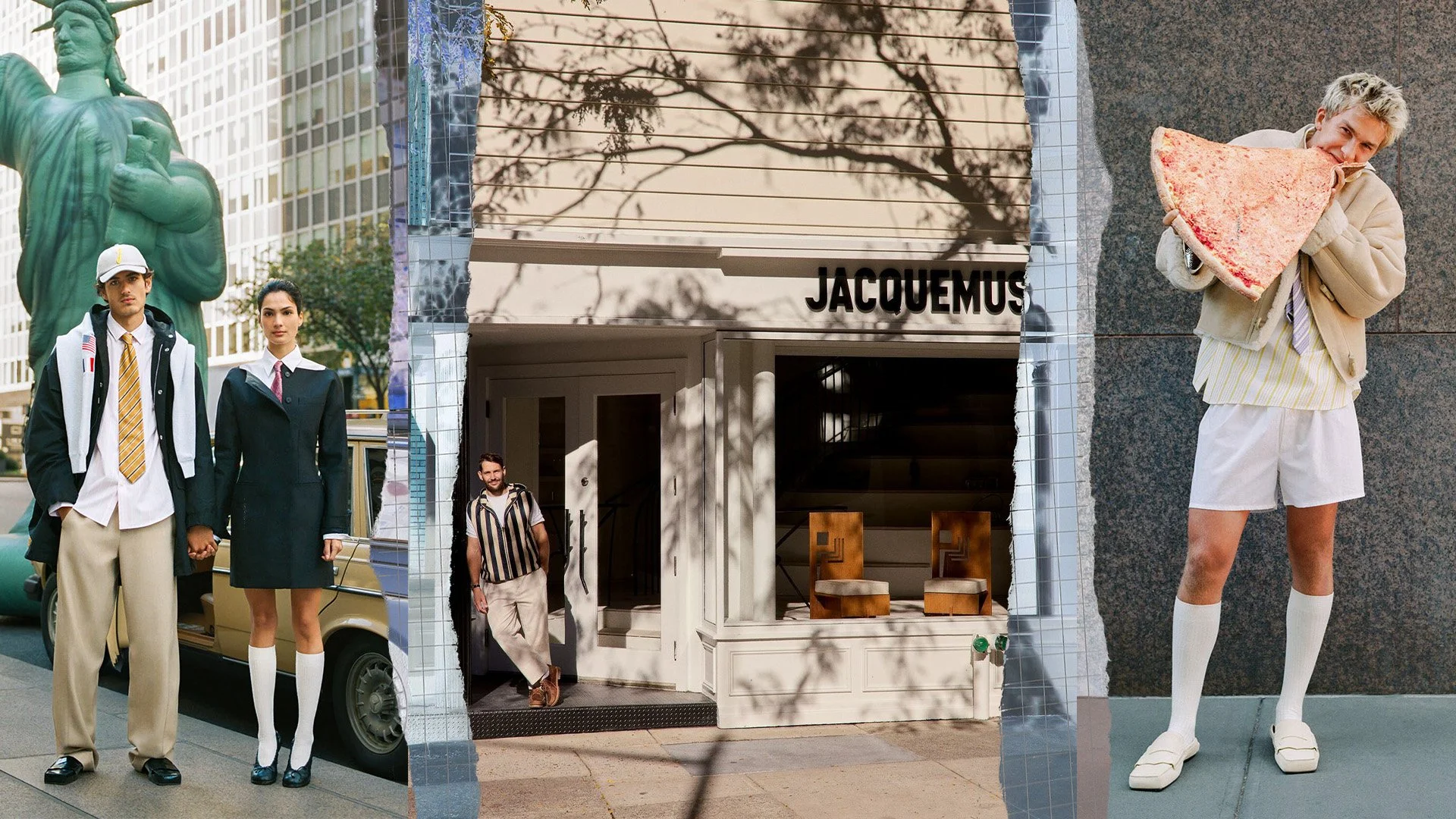
“Jacquemus NYC Pop-Up: Innovative Marketing Strategy.” Fizzy Mag, fizzymag.com/articles/jacquemus-nyc-pop-up-innovative-marketing-strategy. Accessed 12 Feb. 2026.
The Cultural Correction
We are in the middle of a cultural correction. After a decade of hyper-visibility, audiences are gravitating toward formats that feel grounded and participatory rather than overwhelming.
Smaller rooms. Recurring gatherings. Creator-led sessions. Experiences that feel rooted in a specific place rather than touring through it.
This shift is not nostalgia. It is behavioral.
The last several years rewired how people relate to gathering. The pandemic heightened sensitivity to proximity and crowd energy. Economic uncertainty sharpened discernment. Digital acceleration increased fatigue. People are now asking, often subconsciously, whether something is worth their time and whether it feels real.
Large-scale spectacle can still drive awareness. But intimacy drives belonging. And belonging is what drives return behavior.
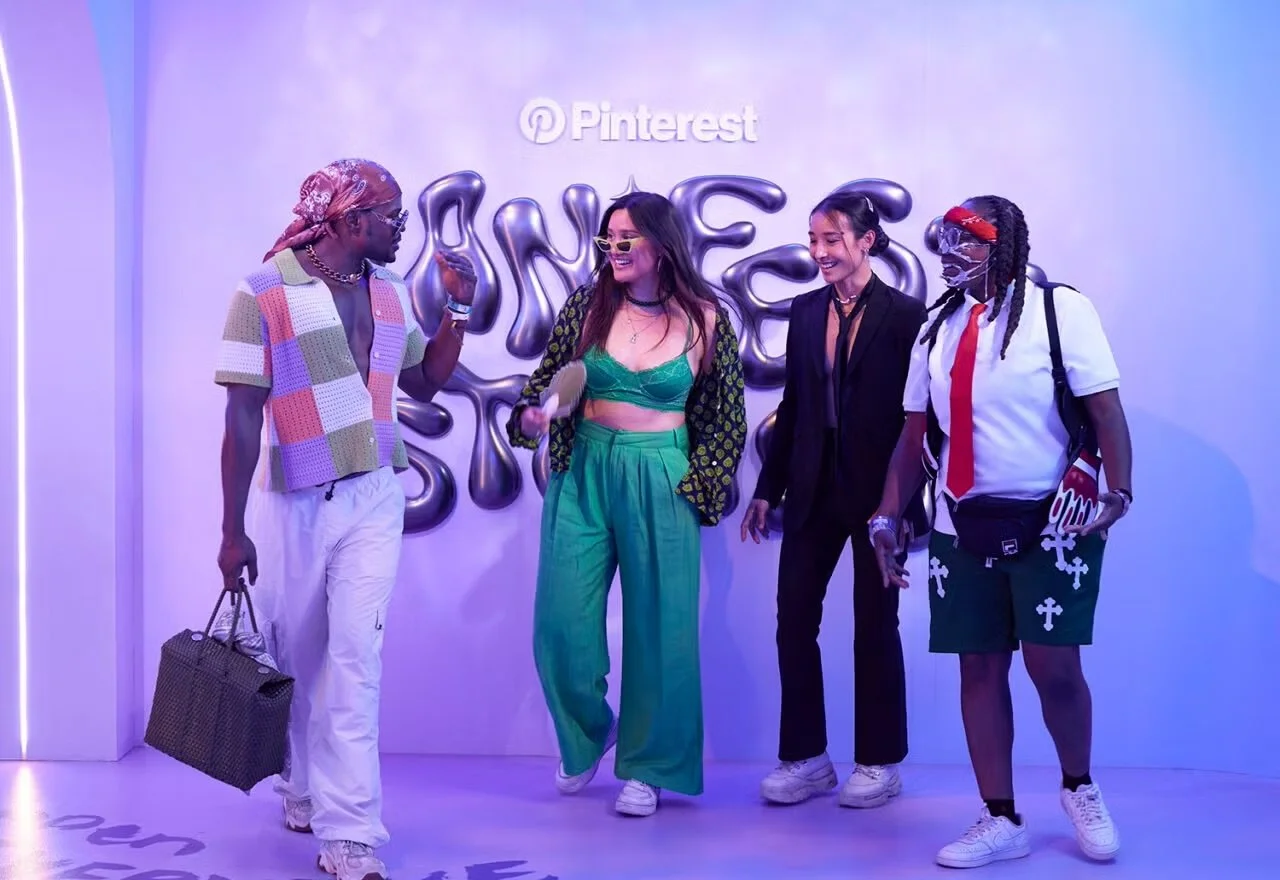
“Gen Z Festivals: Pinterest Manifest Station.” Event Marketer, www.eventmarketer.com/article/gen-z-festivals-pinterest-manifest-station/. Accessed 12 Feb. 2026.
From Visibility to Participation
Another sociological shift sits just beneath the surface. Audiences no longer want to simply attend experiences. They expect to shape them.
Creator culture didn’t just produce influencers. It created a generation accustomed to contributing, remixing, and being acknowledged. Experiences that feel broadcasted at an audience now feel dated. Formats that allow co-creation feel contemporary.
When Adidas builds out its city-based running hubs, the structural framework remains consistent (training formats, product integration, performance testing), while local ambassadors and neighborhood run clubs shape the cultural layer. The system travels, yet ownership feels distributed. Scale comes from repeatability, not replication.
Similarly, Pinterest’s recurring Manifestival series has evolved into a repeatable experiential platform rather than a one-off event. The core premise, bringing trend forecasting, creator conversations, and hands-on workshops into physical space, remains intact. But the collaborators, speakers, and cultural context shift city to city. The format is recognizable. The expression is responsive.
In both cases, scale is not duplication. It is designed flexibility.
This is what modern experiential marketing looks like: structured enough to travel, open enough to listen.
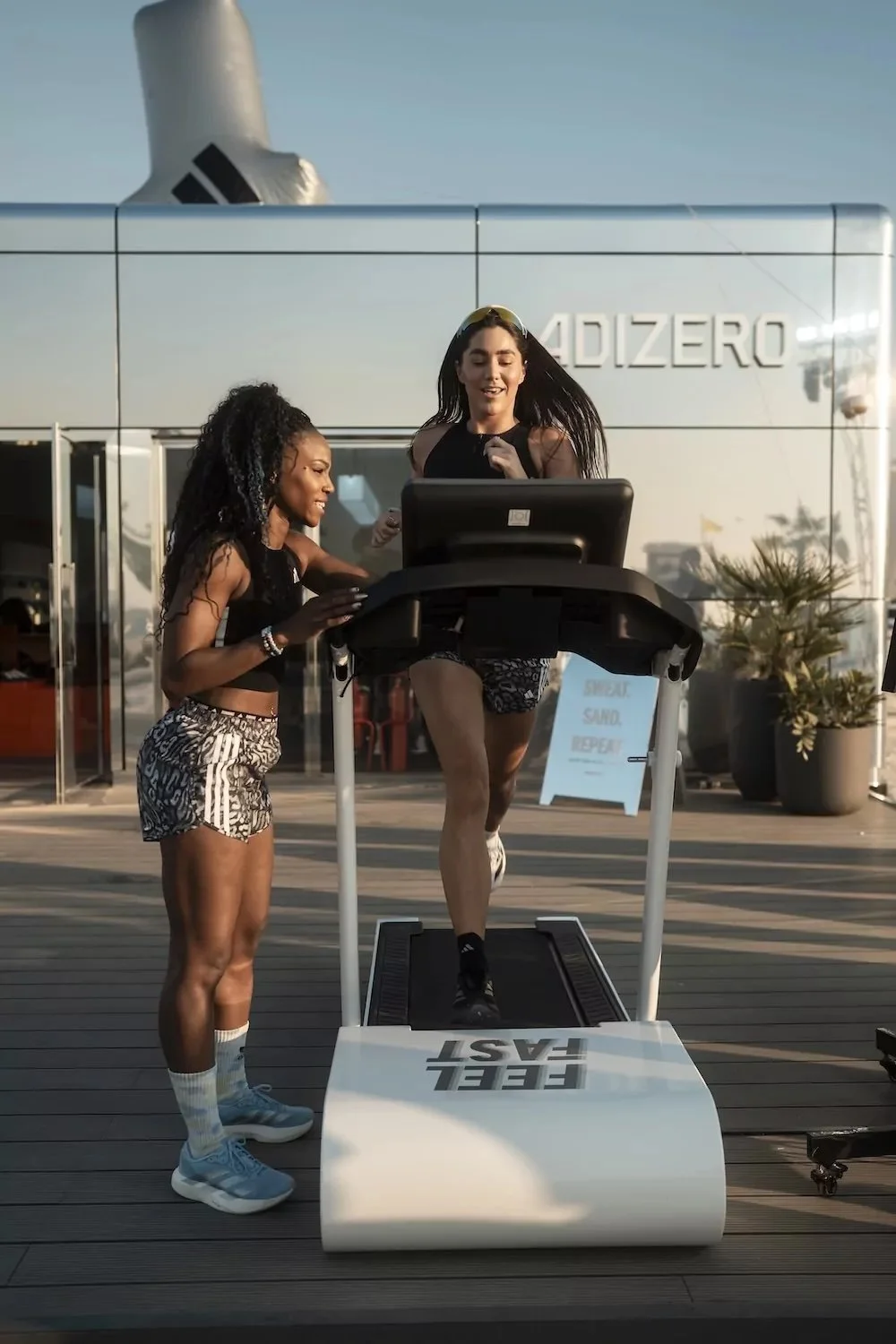
“Adidas Just Launched the Coolest Running Hub in Dubai.” Mille World, www.milleworld.com/adidas-just-launched-the-coolest-running-hub-in-dubai/. Accessed 12 Feb. 2026.
The Economics of Continuity
There is also a practical layer to this evolution. Marketing budgets are under scrutiny. Experiential is expected to contribute to CRM growth, loyalty systems, and measurable conversion rather than simply generate impressions.
One-night spikes are increasingly difficult to justify. Systems that repeat, adapt, and compound intelligence are not.
When a format travels across markets and over time, it improves. CRM capture becomes more refined. Audience data becomes more actionable. Conversion improves as programming evolves. Instead of starting from zero each quarter, brands build from accumulated insight.
Experiential shifts from campaign to infrastructure.
That distinction changes everything.
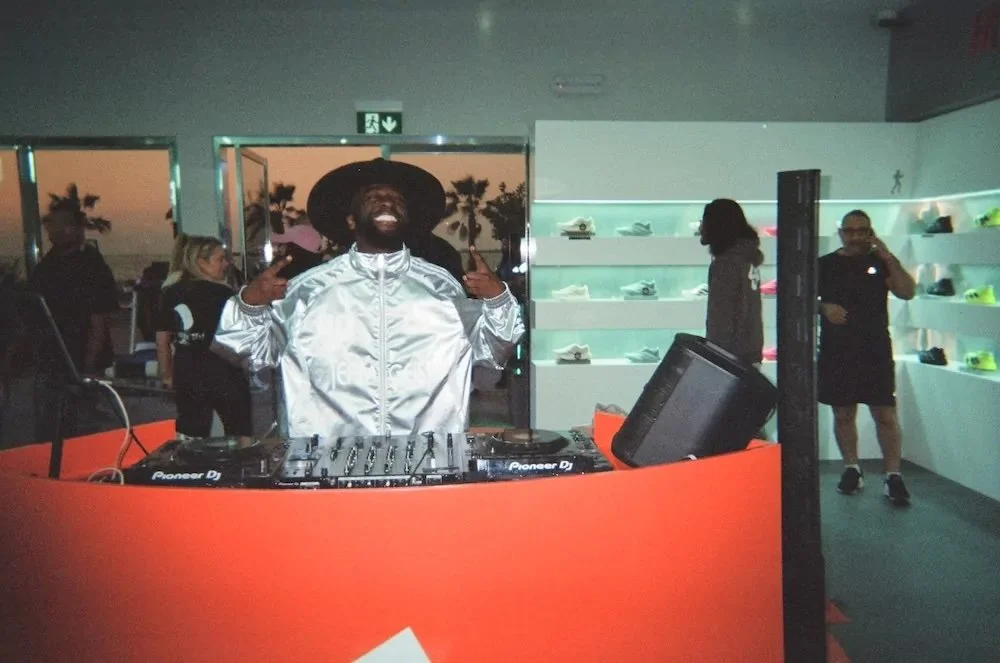
“Adidas Just Launched the Coolest Running Hub in Dubai.” Mille World, www.milleworld.com/adidas-just-launched-the-coolest-running-hub-in-dubai/. Accessed 12 Feb. 2026.
Designing for the Local Moment
Local relevance, once a talking point, has become a strategic imperative. Algorithms may be global, but trust is local. Communities are increasingly place-specific, and cultural credibility cannot be imported.
Local experiential marketing begins with better questions. Who already gathers here, and why? What rituals define this place? Which creators hold real equity? What would feel native rather than imposed?
Miu Miu’s ongoing Literary Club series has quietly become one of the most culturally resonant fashion activations of the past two years. Instead of dominating headlines with spectacle, the brand convenes intimate salons around literature, identity, and female authorship in cities like Milan, Paris, and New York.
The format is consistent.
The local thinkers shift.
The room stays small.
It builds cultural legitimacy through discourse, not volume.
The more intentional the structure, the more room it creates for nuance.
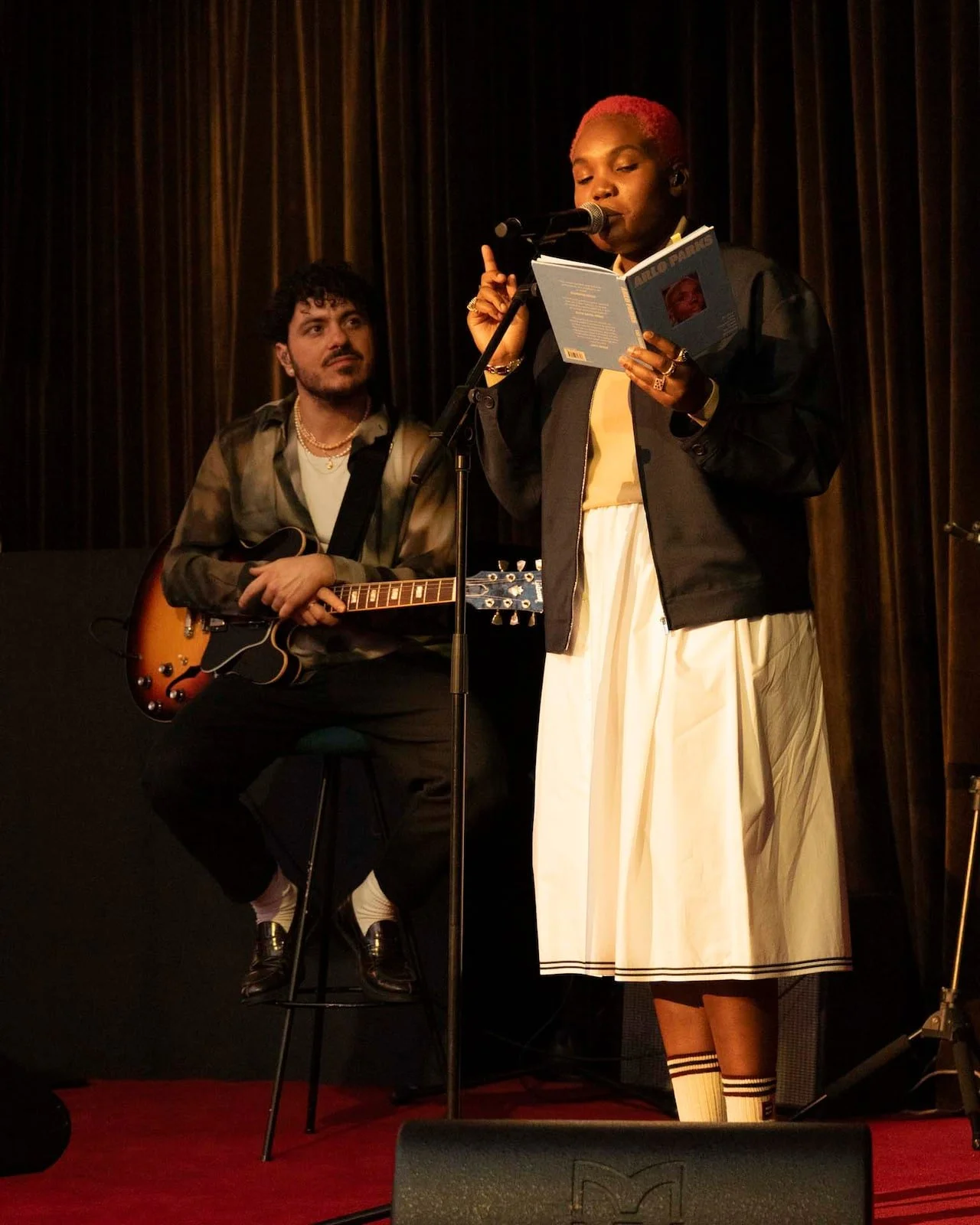
“Miu Miu Literary Club.” Miu Miu, www.miumiu.com/us/en/miumiu-club/special-projects/miu-miu-literary-club.html. Accessed 12 Feb. 2026.
From Event to Living System
Experiential marketing is evolving from isolated moments to living systems. Systems that flex across markets without losing coherence. Systems that absorb local nuance rather than overwrite it. Systems that invite participation and compound data over time.
If the last decade was about capturing attention, this one is about sustaining relevance. That requires architecture. Not rigid architecture, but adaptive architecture that allows for repetition, ritual, and refinement.
Jacquemus has leaned into hyper-contextual pop-ins and destination-driven gatherings rather than conventional large-scale launches. These experiences are concentrated, aesthetic, and culturally specific; often tied to place and community rather than pure reach.
The brands that lead in 2026 will not necessarily be the ones with the largest footprint. They will be the ones with the most intelligent frameworks. They will design formats that evolve instead of expire.
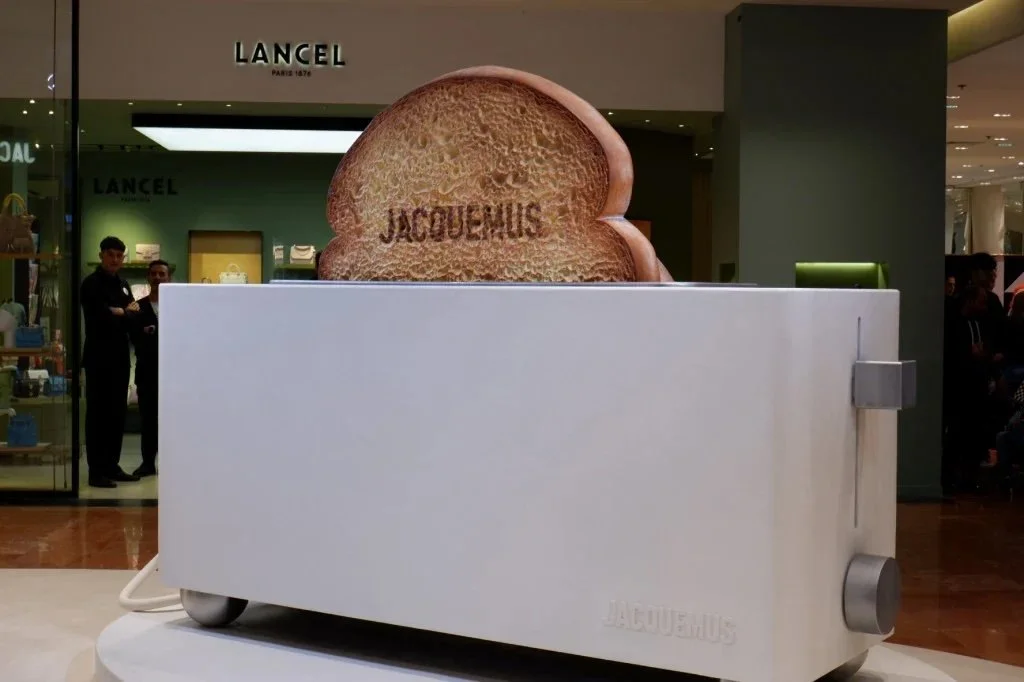
“Nobody Does Pop-Ups Like Simon Porte.” Retail for the People, retailforthepeople.com/blogs/news/nobody-does-pop-ups-like-simon-porte. Accessed 12 Feb. 2026.
Where SoHo Sits in This Shift
At SoHo, we see this moment as more than a tactical adjustment. It is a structural turning point in how brands relate to culture.
Our work begins with reading the cultural signals beneath the surface and translating them into experiential systems that flex, repeat, and scale without losing human texture. We design formats, not one-offs. We build platforms that absorb local context while preserving strategic clarity. We measure not just impact, but resonance.
The spectacle is not disappearing. But the brands that will matter in the next chapter are the ones building something that lasts longer than the night.
And that is the work we are here to do.