
Experiential Marketing Trends: Moving Beyond Event Fatigue
Why event fatigue is real, and why the activations cutting through aren't selling product anymore
With so many parties, pop-ups, and brand activations competing for the same few free hours, event fatigue is changing what makes an experience worth showing up for.
Traditional product sampling still has value, but we’re seeing more brands build immersive experiences around identity, lifestyle, and community. Instead of simply asking consumers to try a drink, test a shoe, or discover a product, these activations invite people to express something about themselves, whether that’s their connection to music, wellness, sustainability, or sports fandom.
For marketers, the opportunity is to design experiences that reflect what their target audiences already care about, creating more meaningful participation, stronger brand affinity, and reasons to engage beyond the initial interaction.
Retail as Stage Set:
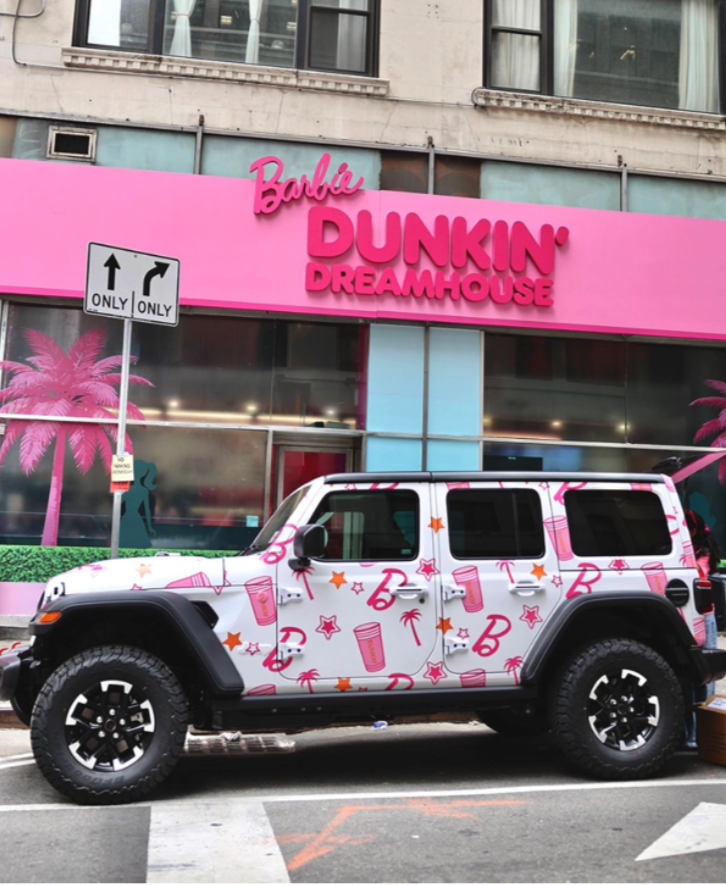
The backdrop is dead. For years, "experiential" meant a step-and-repeat, some branded signage, and decoration tossed around the edges of a room. But the reality is, that’s not working anymore.
People want to be teleported. Nobody is thinking "does this photograph well," but instead "does this make me forget what city I'm really standing in." A pop-up doesn't land because it's styled, it lands because for a few minutes you're not where you actually are. No branded corner poking through. The whole room has to hold the illusion.
Because what people are really buying isn't the product. It's a few minutes inside another world. That's the line between a seasonal item and a destination: one gets sampled and forgotten. The other gets lived in and connected with.
The Hobbyfication of Branding:
Proof point: Columbia HikeFest
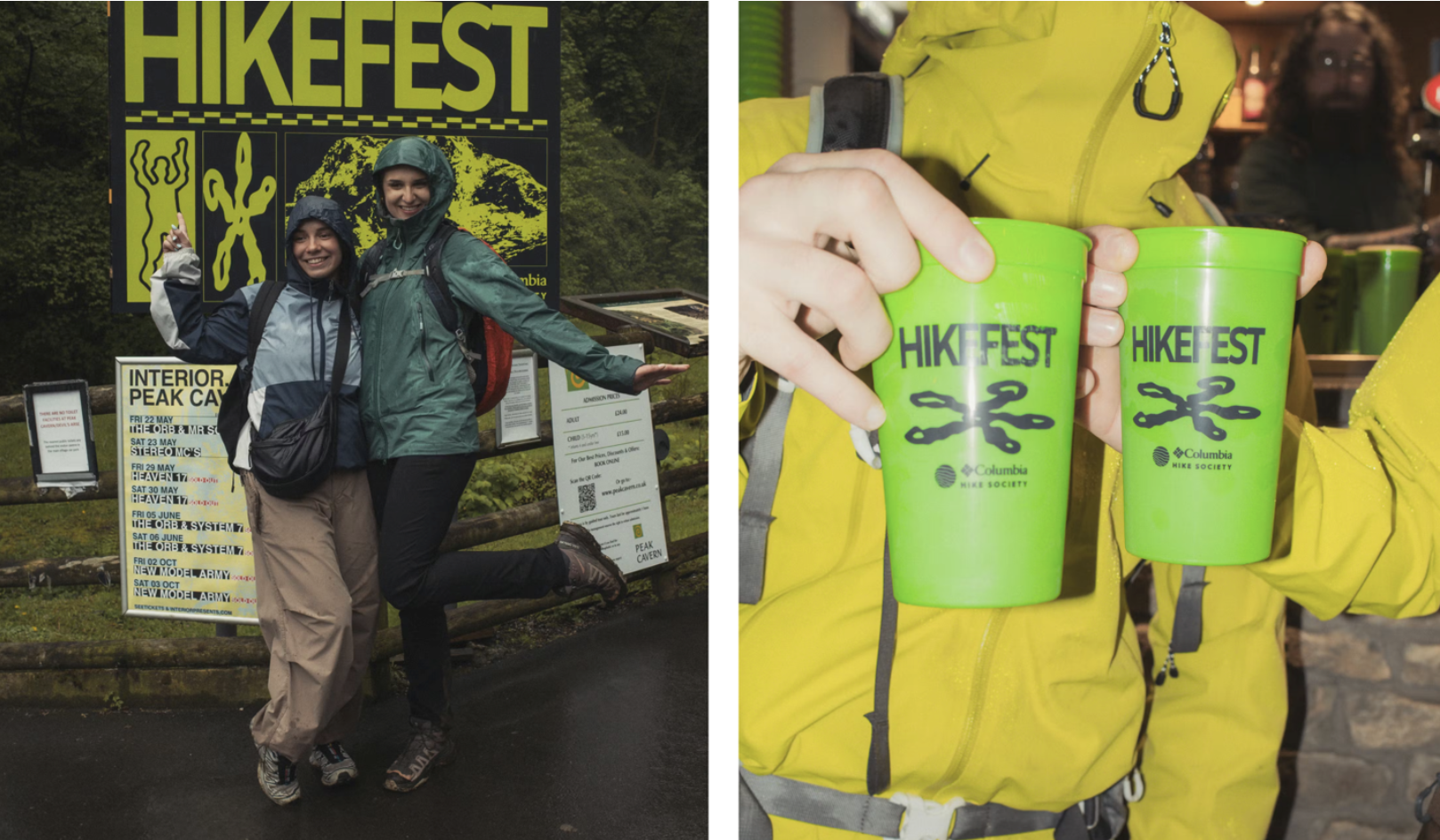
Columbia could have hosted a traditional pop up, instead they invited people outside. And the star of the event wasn’t a new jacket or gear. It was hiking.
That's what makes it powerful: people weren't being asked to look at the lifestyle Columbia represents; they were being invited to live it.
It flips the velvet-rope playbook on its head. Instead of dangling exclusivity from behind a list or a price tag, Columbia just handed people the experience directly with no purchase required, just a trail and a willingness to walk it. In a culture exhausted by gatekept marketing, that kind of lived-in access reads as far more authentic than any product push could.
The Best Activations Fit into People's Lives:
Proof point: Oatly's Bike-Thru
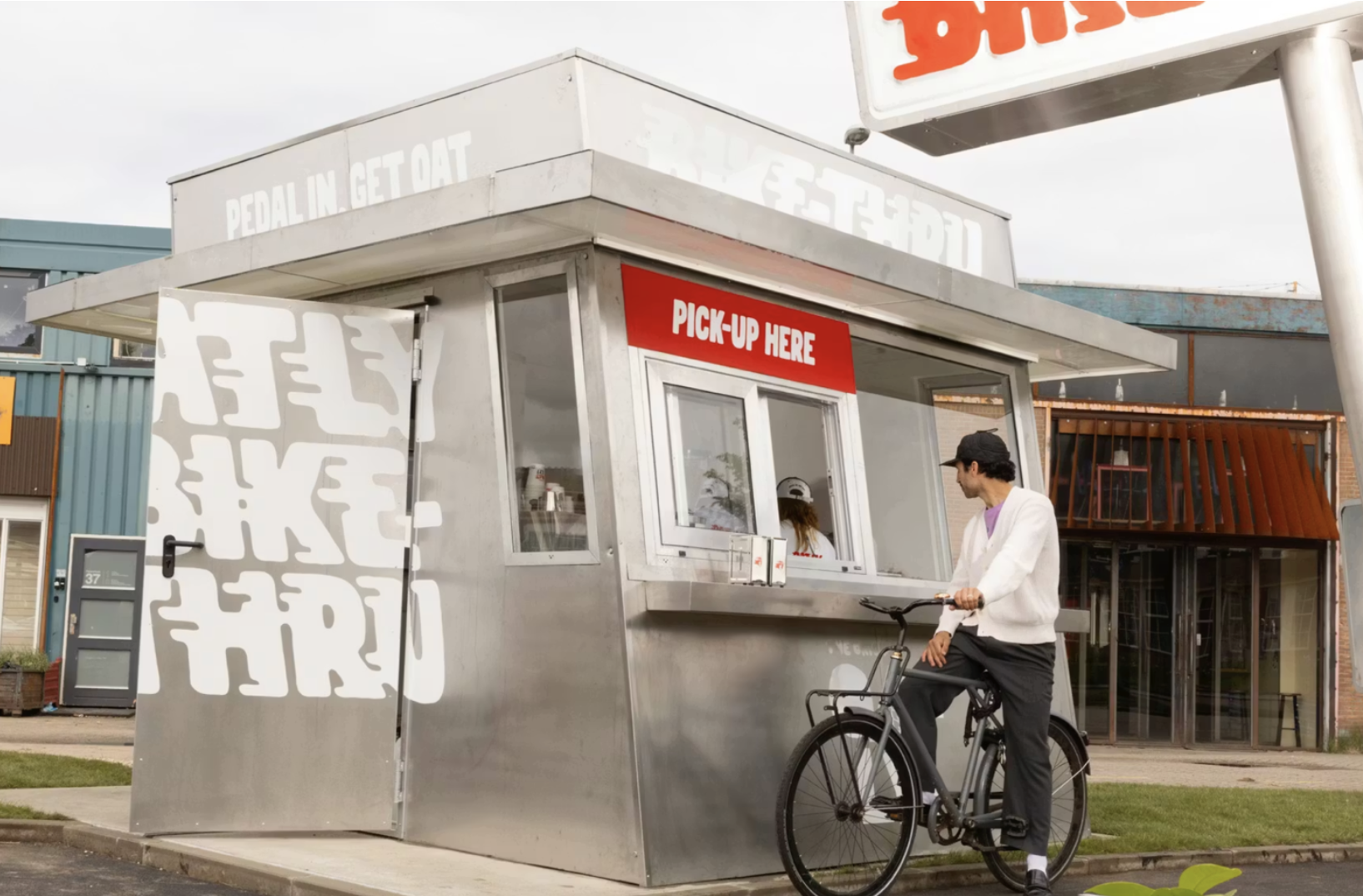
Instead of asking people to come to them, Oatly built an experience around a behavior that already existed. In a city where cycling is part of daily life, the brand created a café designed specifically for people on bikes.
The experience felt natural rather than manufactured. Nothing about the city had to change. The store did.
The future of experiential marketing isn't always about creating something bigger. Sometimes it's about paying closer attention to how people already live and designing around those habits.
People Want to Participate in Their Values:
Proof point: National Geographic's Bee Hotels
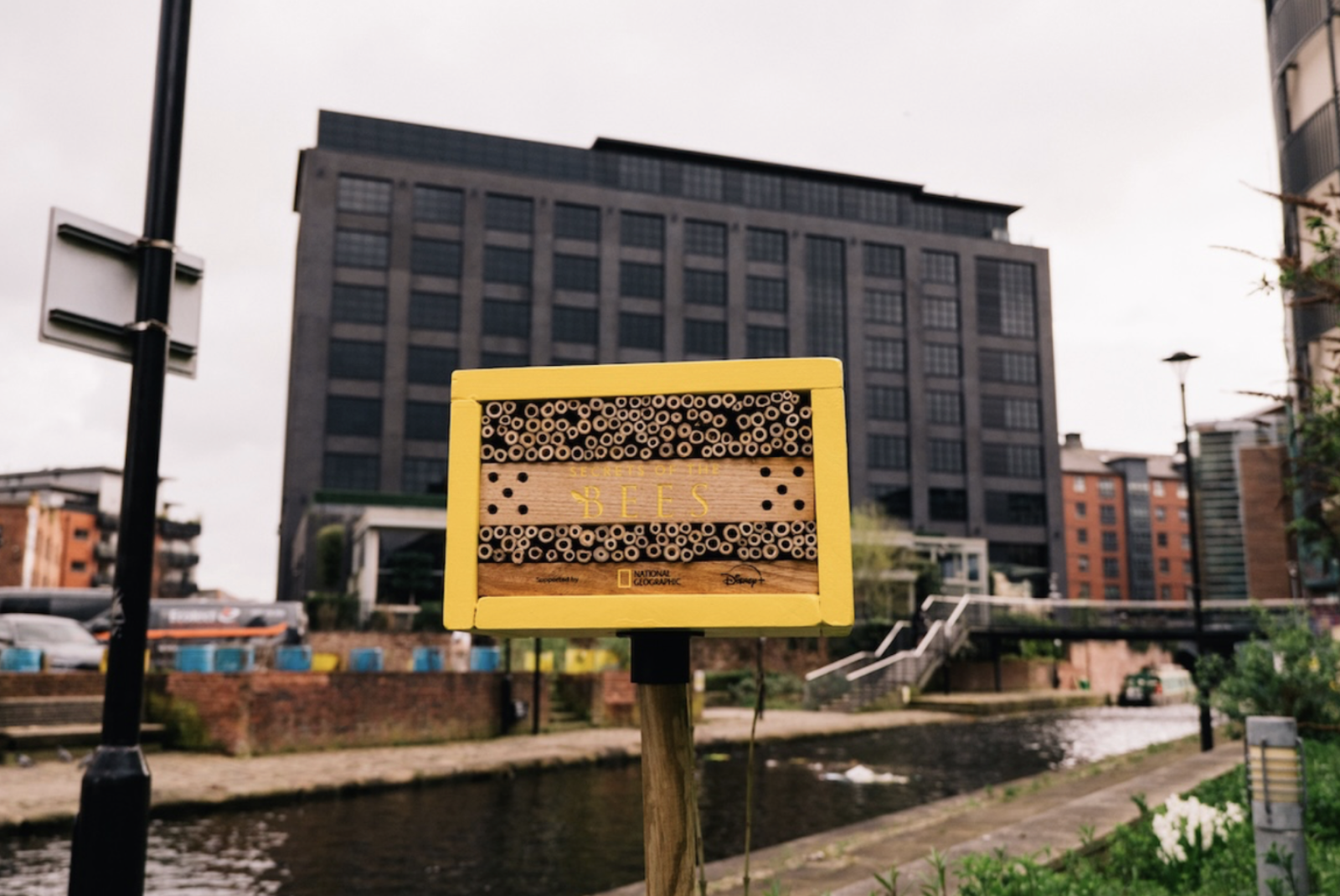
Rather than promote its new documentary with another poster teaching people about pollinators, National Geographic let the promotion do the conservation work itself, turning outdoor ad space into actual bee habitat.
The experience turned environmental awareness into action. Especially with sustainability messaging everywhere, it is now ever more important to find new opportunities to do something.
The next evolution of purpose-driven marketing isn't a message about doing good, it's outdoor media that quietly does the good itself, with or without anyone reading the sign.