
How Experiential Marketing Builds Brand Loyalty and Community
The World Cup reminded us what people have been looking for
The 2026 World Cup reminded us of something people have been looking for: opportunities to feel part of something bigger than themselves.
Across cities, restaurants, public spaces, and living rooms, people gathered around a shared passion. Different generations, nationalities, and backgrounds came together through rituals, celebrations, and moments they wanted to experience with others.
For brands investing in sports and entertainment marketing, these moments reveal why fandom is so valuable. People aren't simply consuming content. They're participating in communities that have become part of their identity.
That idea sits at the center of SoHo Experiential's Brands Built for Fandom research , which explores how brands can build stronger relationships through culture, community, and shared experiences.
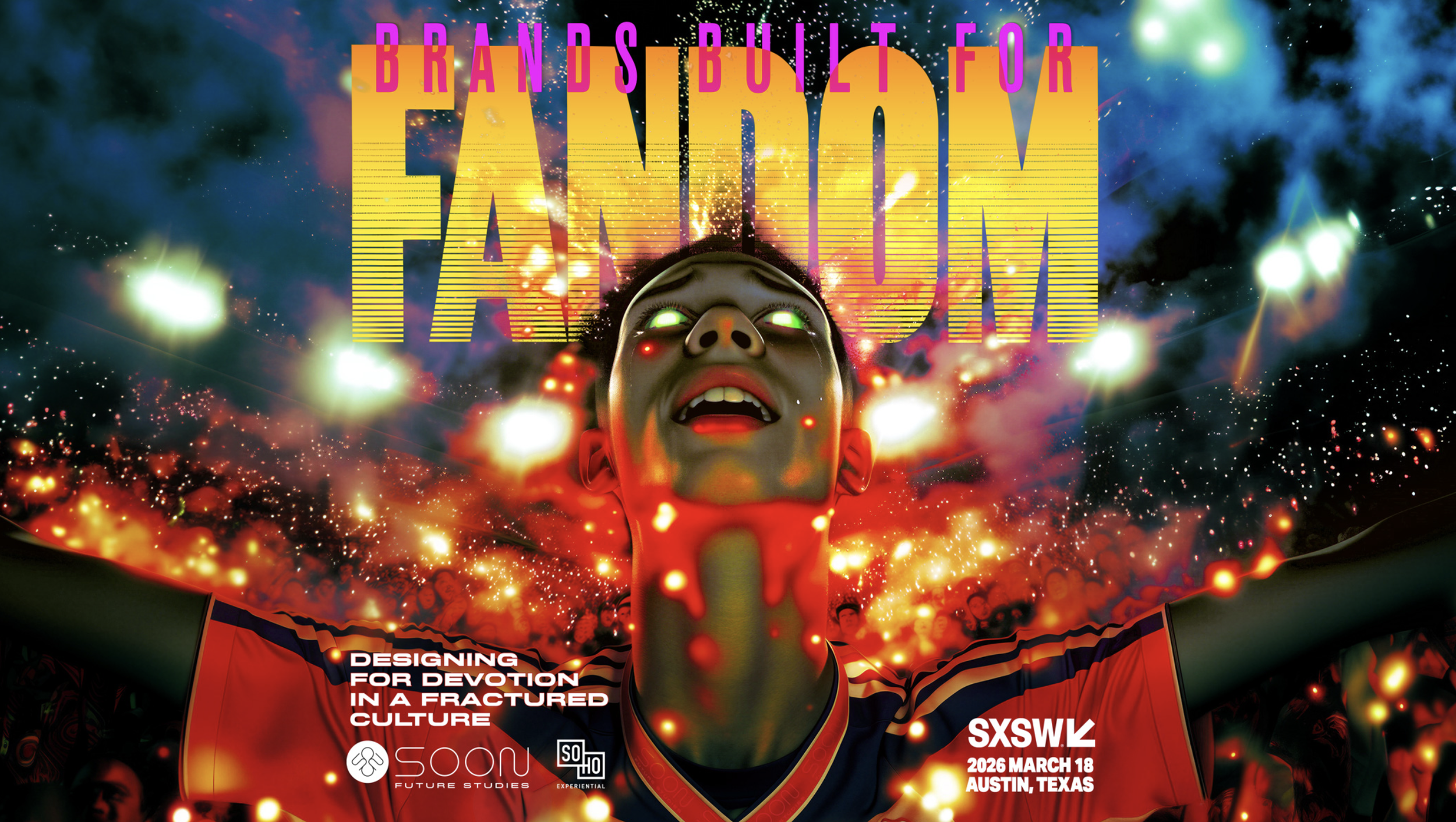
Brands don't create fandom. They create the conditions for it.
Traditional marketing often measures how many people see a campaign. Fandom introduces another dimension: what people choose to do because they care.
Fans attend events, develop rituals, collect merchandise, share experiences, and introduce other people to the communities they love.
For marketers, experiential marketing creates opportunities to turn that existing enthusiasm into meaningful consumer engagement.
A sports sponsorship can become a fan experience. A product launch can become a cultural event. A retail activation can give customers opportunities to connect with one another through shared interests.
The opportunity extends beyond reaching an audience to giving people a role in the experience.
Culture keeps speeding up. People are slowing down.
Our research explores the Compression Effect, the cultural pressures created by accelerating news cycles, digital content, and constantly changing trends.
As more interactions move online, physical experiences provide opportunities for audiences to connect in ways that digital content alone cannot replicate.
The World Cup demonstrated this through public watch parties, shared celebrations, and the collective reactions that make live sports memorable.
For brands, these moments create opportunities for community building and fan engagement. The experience becomes associated not only with the brand or event, but also with the people, memories, and emotions surrounding it.
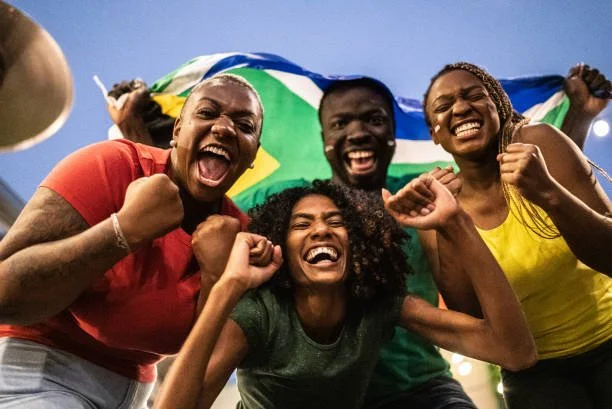
Connection is becoming the world's most valuable experience.
Technology has made discovering communities easier than ever.
People who never would have crossed paths now find each other through shared interests, whether that's football, gaming, music, fashion, running, or countless niche communities.
But discovery is only the beginning.
The real value comes when those online interests become real-world experiences. When fans travel together. Meet each other. Celebrate together. Create memories together.
Knowing about a moment is no longer enough.
People want to say they were there.
"I was there" has become a form of social currency.
One of the strongest ideas from the research is that experiences create value long after they're over.
People rarely remember every statistic from a match or every detail from a concert. They remember who they were with, who they met, how they felt, and the story they came home with.
"I was there when..." has become more valuable than simply saying, "I saw it online."
Those experiences become part of someone's identity, and that's exactly what makes fandom so powerful.
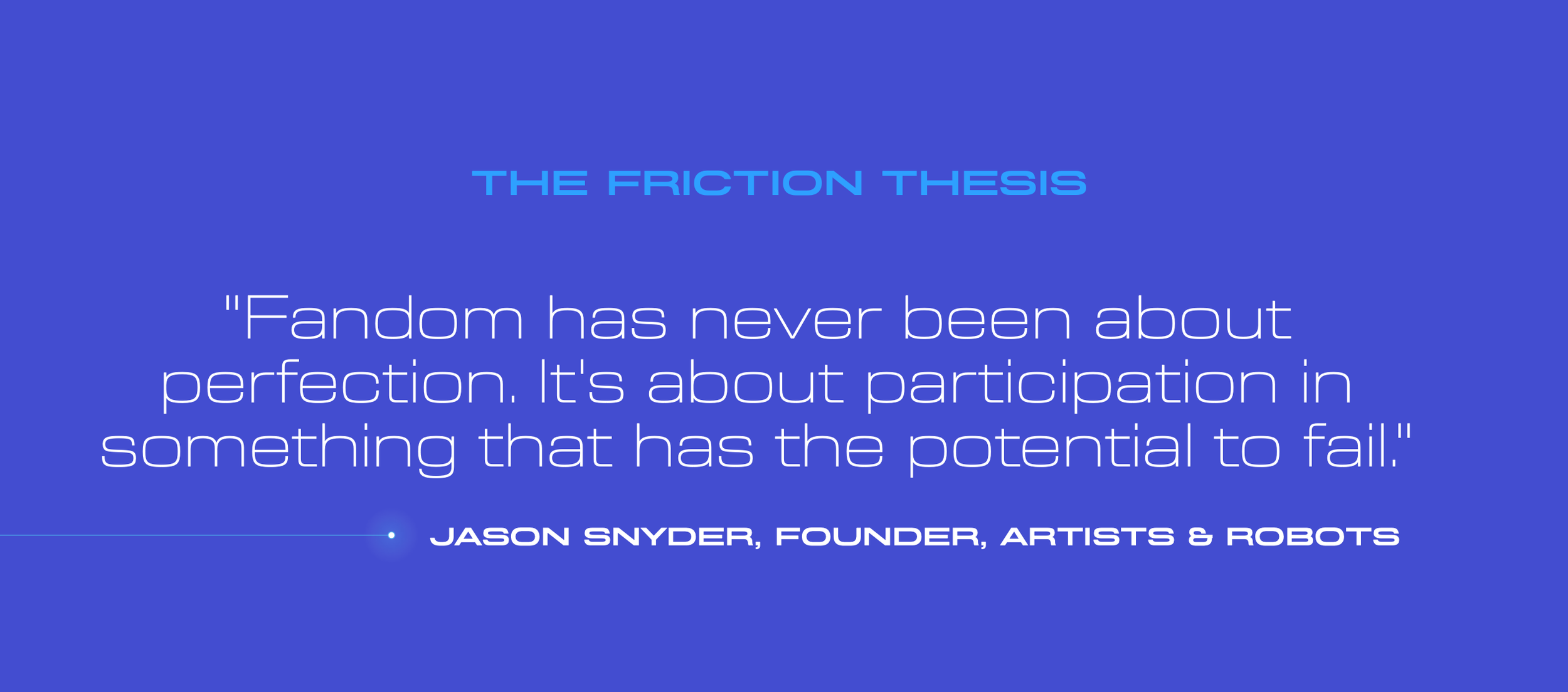
THE SOHO TAKE
The World Cup didn't create people's desire for connection. It demonstrated what happens when an established community has opportunities to come together around something it loves.
For brands, the opportunity is to understand those existing interests and create experiences that encourage participation, strengthen relationships, and give people meaningful reasons to return.
At SoHo Experiential, we believe brand loyalty grows when audiences have opportunities to become part of the experience rather than simply observe it.
Let’s connect. And read our presentation here.