
For years, experiential marketing was centered around visibility. Bigger builds, larger audiences, more content capture, more impressions. Success was often measured by how effectively a brand could command attention in a physical space and extend that attention online afterward.
But consumer behavior is shifting in a much deeper way.
People are increasingly looking for connection, participation, identity, and community in a world that feels more digital, automated, and fragmented than ever before. That shift is changing not only what audiences expect from brands, but what experiential itself is becoming.
The strongest experiences today no longer feel like traditional marketing. They feel like environments people genuinely want to spend time inside of. They feel social, emotionally relevant, and connected to the communities and interests audiences already care about.
That distinction matters because it changes the role experiential plays entirely.
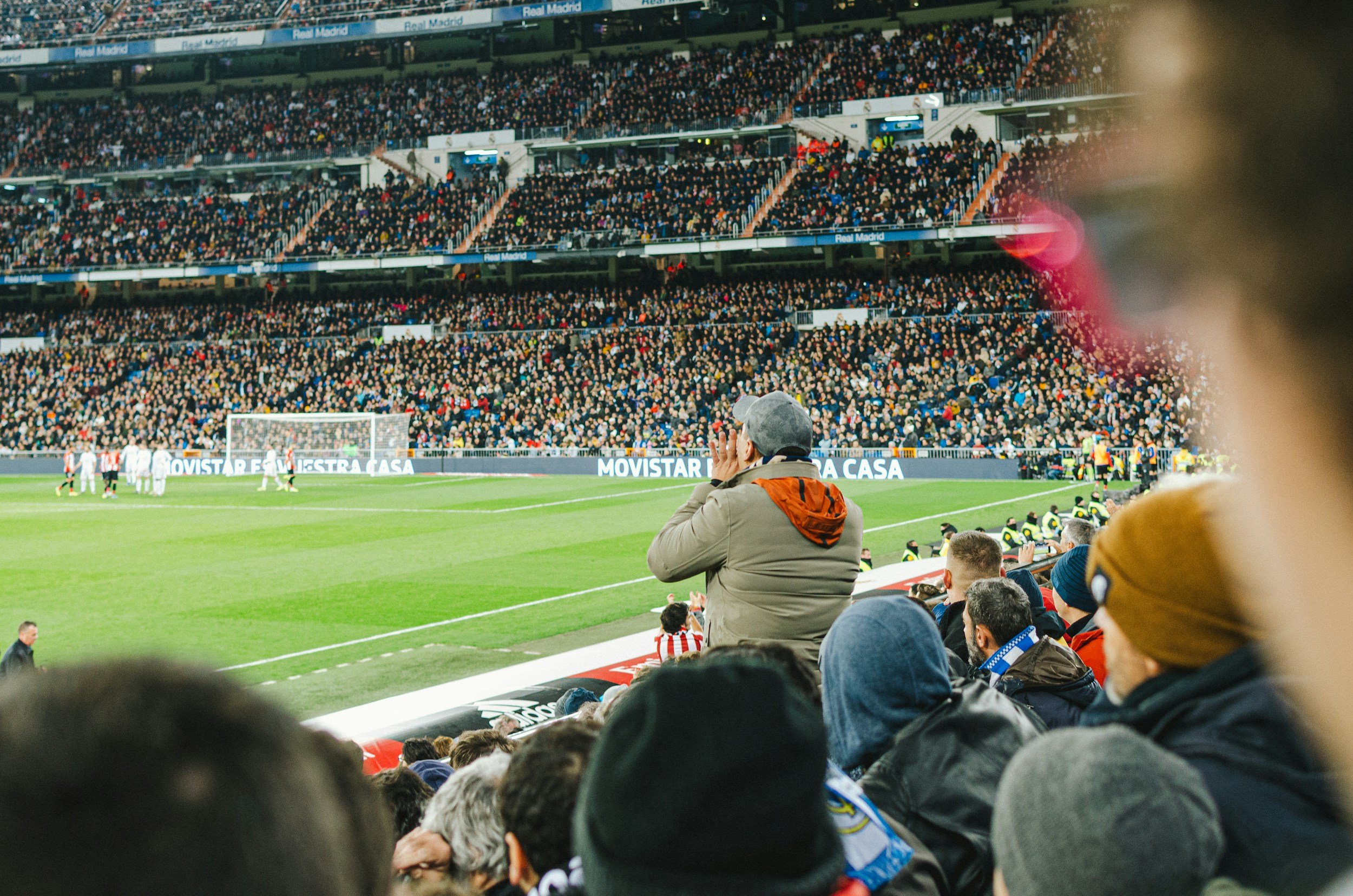
Loyalty Is Starting to Look More Like Fandom
Traditional loyalty models were built around rewards, discounts, and retention systems. But some of the strongest forms of loyalty in the world today are not transactional at all. They are emotional.
Sports, music, creators, fitness communities, gaming culture, and entertainment fandoms all operate differently than traditional marketing funnels. People stay connected because those things become part of how they identify themselves socially and culturally.
That same dynamic is increasingly shaping experiential marketing.
Brands are beginning to realize that long-term value is not created through isolated campaigns alone. It is created by building ecosystems consumers actively want to remain connected to over time. The strongest experiential strategies are no longer asking how to capture attention for a moment. They are asking how to create participation that compounds into deeper loyalty over time.
Live Experiences Are Becoming Modern Social Infrastructure
At the same time, live experiences are evolving beyond entertainment.
Concerts, festivals, conferences, sporting events, wellness communities, and cultural gatherings are increasingly functioning as modern social infrastructure. People are not only attending for the programming itself. They are showing up for the feeling of being around others who share the same interests, passions, and identities.
In many cases, the audience itself becomes part of the value.
That is why community relevance is becoming more important than mass reach. Bigger audiences do not automatically create stronger experiences. The most valuable rooms are often intentionally curated around shared interests, behaviors, and culture because the quality of connection matters more than scale alone.
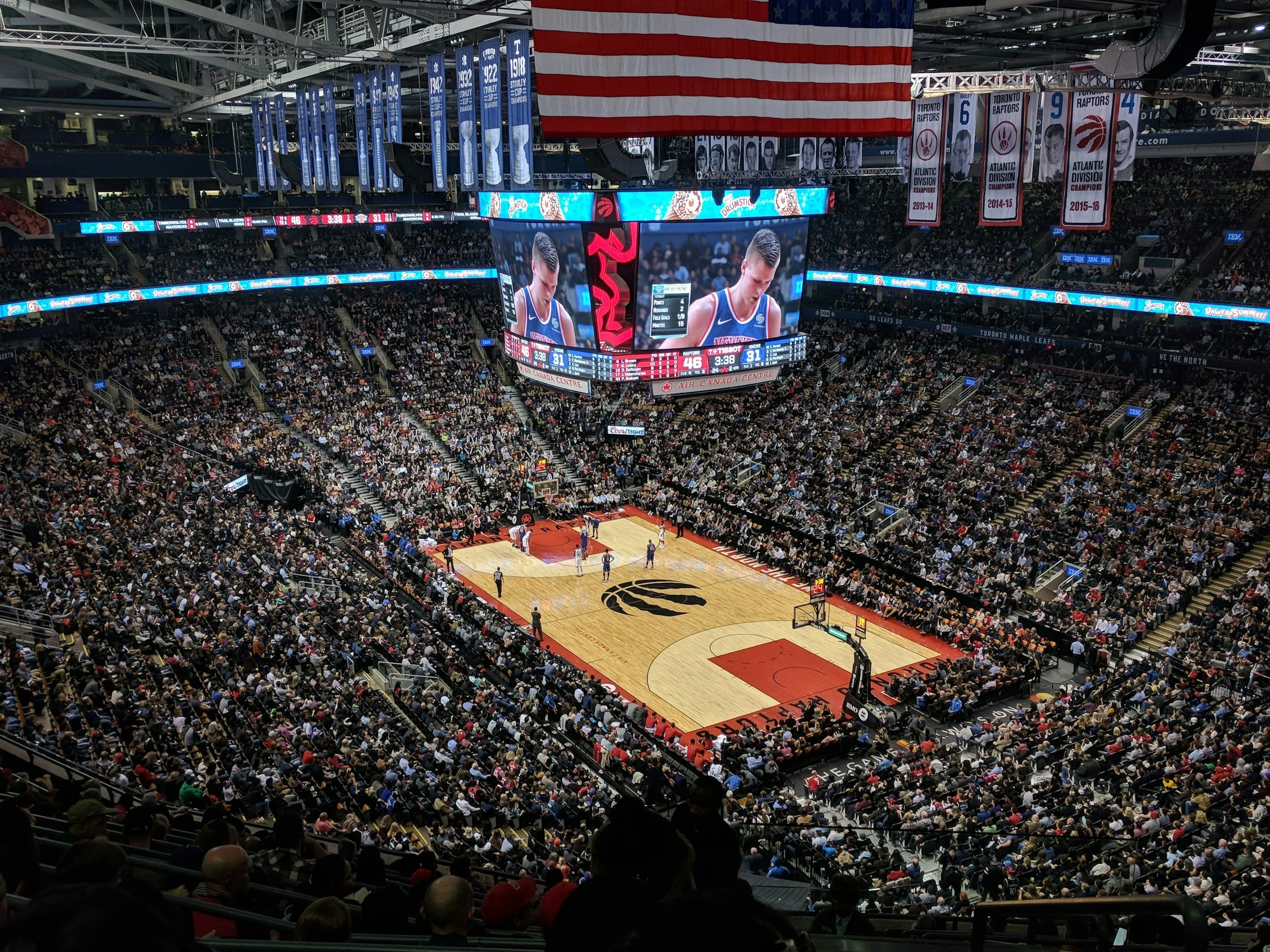
The Experience Economy Is Evolving Into the Belonging Economy
For years, brands focused on creating memorable experiences. Today, the larger opportunity is creating environments where people feel emotionally connected to something bigger than themselves.
Consumers increasingly want to participate, customize, interact, contribute, and socially engage with the worlds around them instead of simply observing them passively. Participation-first experiences are outperforming passive attention because they create emotional investment, not just visibility.
The strongest experiential work today creates social and emotional utility. It gives people a reason to stay longer, engage more deeply, return again, and invite others into the experience with them.
The Human Premium
As artificial intelligence becomes more integrated into everyday life, human experiences become more valuable.
Not because technology replaces physical experiences, but because it changes how people emotionally value them. Presence, effort, ritual, participation, and real-world interaction increasingly carry a sense of scarcity in digital environments. That scarcity creates emotional value.
The next era of premium experiences may not be defined by exclusivity alone. It may be defined by how human the experience feels.
The SoHo Take
Experiential is no longer evolving simply as a marketing channel.
It is becoming something much larger at the intersection of culture, loyalty, hospitality, entertainment, fandom, and community.
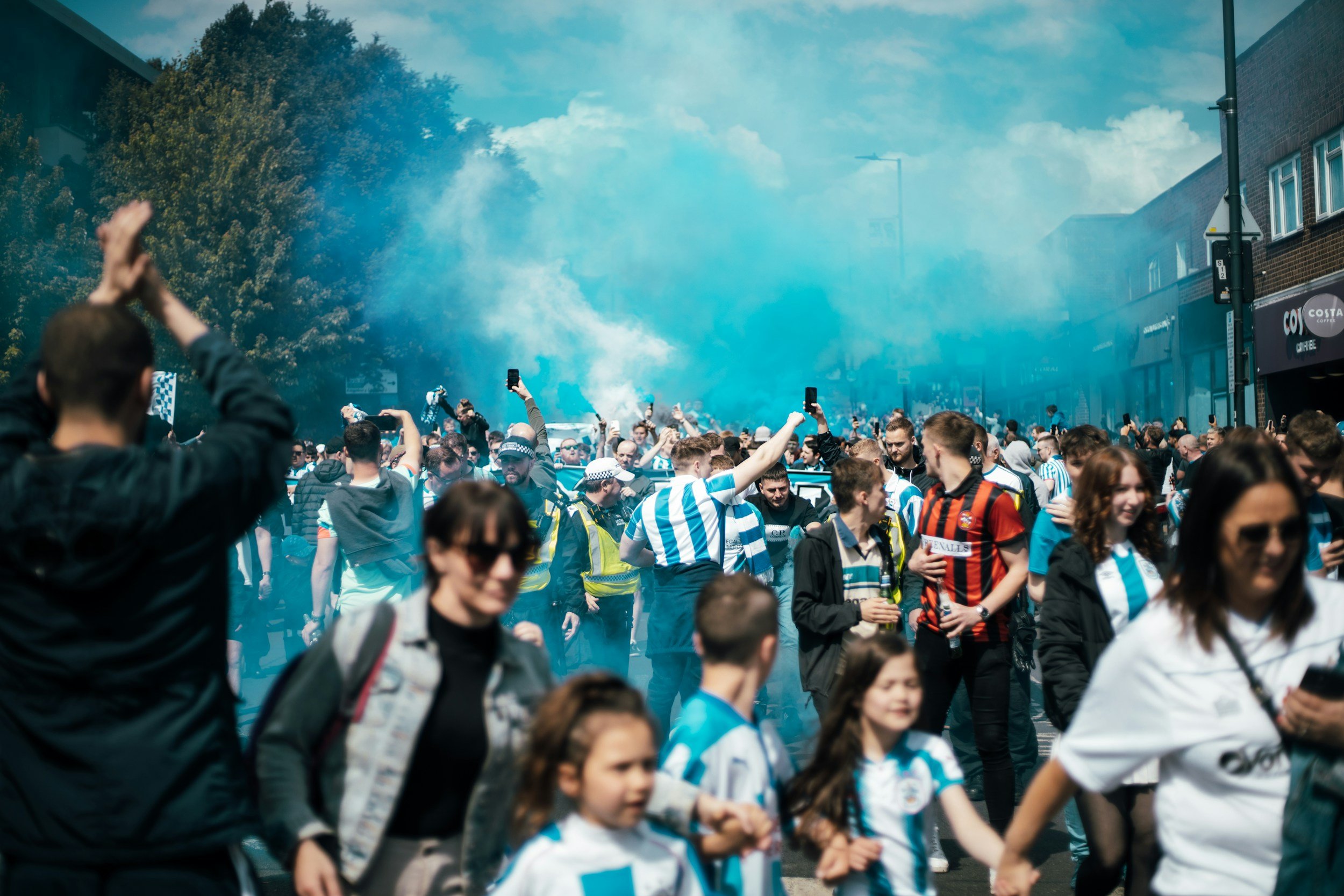
The brands leading this shift are not just creating activations people attend. They are building ecosystems people genuinely want to belong to.
And over time, that may become one of the most valuable forms of connection a brand can create. Let’s connect.