
What Brands like Netflix and Red Bull Understand about Experiential Right Now
Experiences Are Starting to Feel More Human
Some of the strongest experiential work happening right now has one thing in common: it barely feels like traditional marketing.
Brands like Netflix, Red Bull, Spotify, and Jacquemus are building experiences that feel less like campaigns and more like environments people genuinely want to belong to. The work feels connected to entertainment, identity, participation, and community rather than simply visibility.
That shift is happening because consumer expectations have changed. Audiences are no longer impressed simply because a brand showed up physically. They are evaluating whether the experience added something meaningful to their day, interests, or social world.
Participation Is Replacing Passive Attention
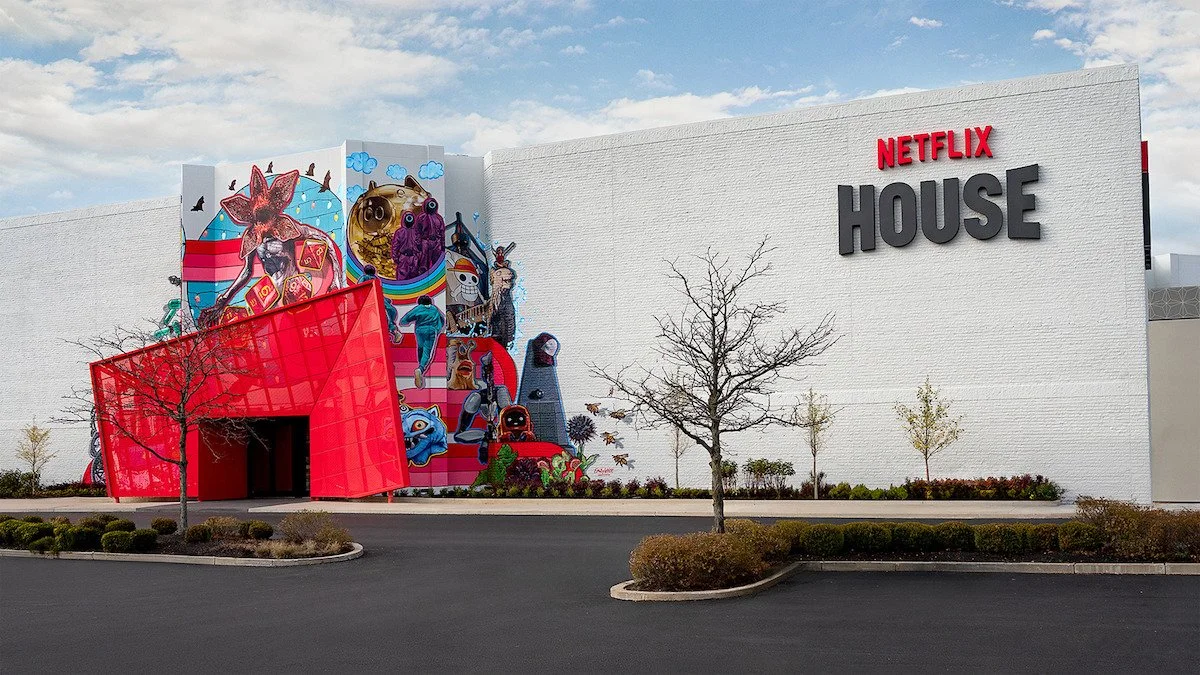
Netflix expanding into permanent entertainment destinations through Netflix House reflects where experiential is heading. Instead of temporary activations, the brand is building physical spaces where consumers can step directly into the worlds they already emotionally invest in through content. The experience becomes an extension of fandom itself.
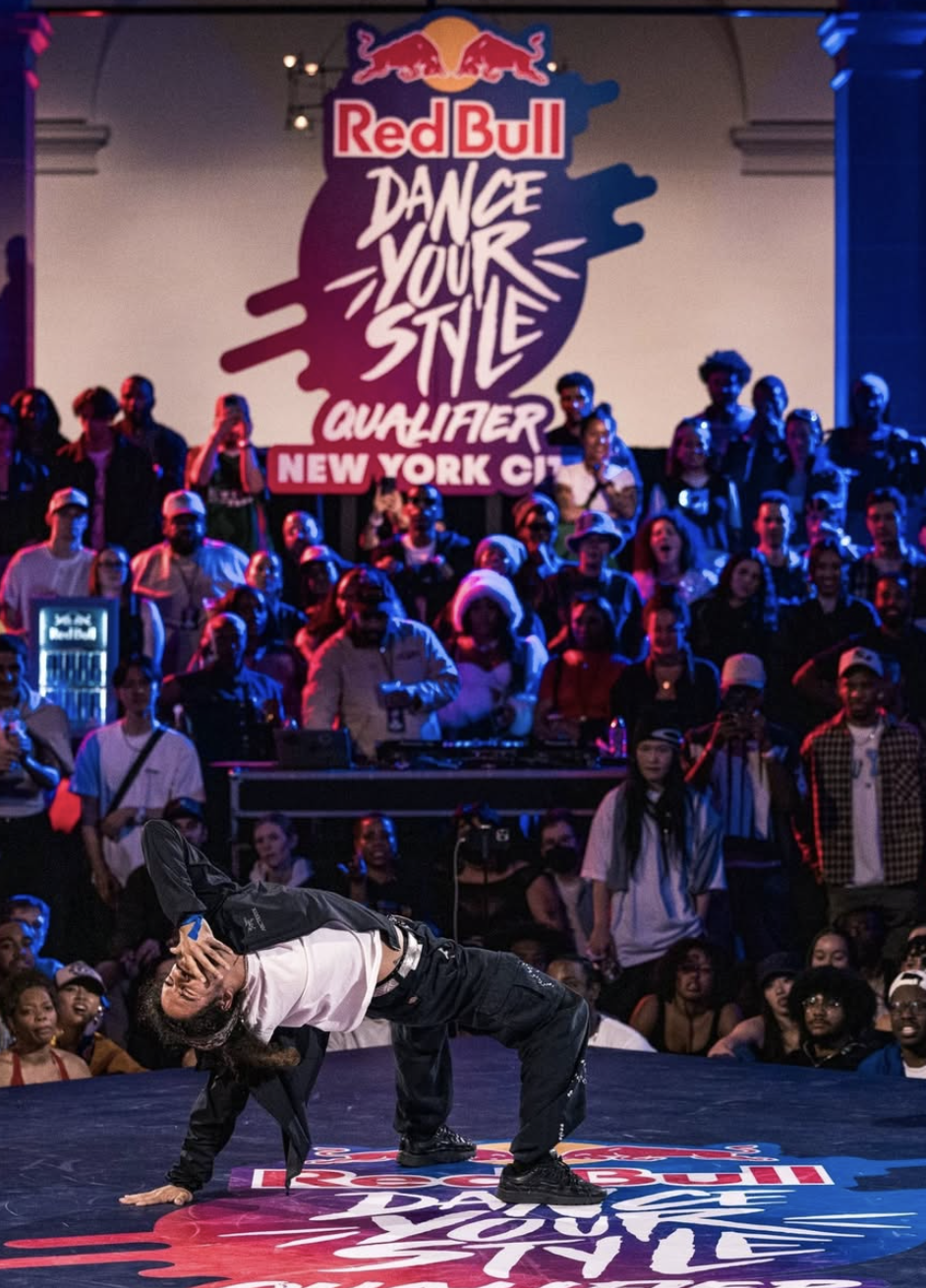
Red Bull Dance Your Style continues to show how the brand builds culture through participation, not interruption. The event series blends dance, music, competition, and community in a way that feels organically connected to the audiences already involved in those scenes. Red Bull succeeds because it consistently behaves like a long-term cultural participant rather than a sponsor dropping into trends temporarily.
Spotify’s “Party of the Year” campaign leaned heavily into fandom and personal identity, using listening habits and shared music culture as the center of the experience. Instead of building generic live moments, Spotify continues creating experiences that feel socially specific to how audiences already interact with music and with each other.
Jacquemus continues to understand that experiential now exists physically and digitally at the same time. Whether through highly visual pop-ups, branded spaces, or destination-driven moments, the activation itself becomes social content, conversation, and aesthetic identity that audiences carry outward afterward.
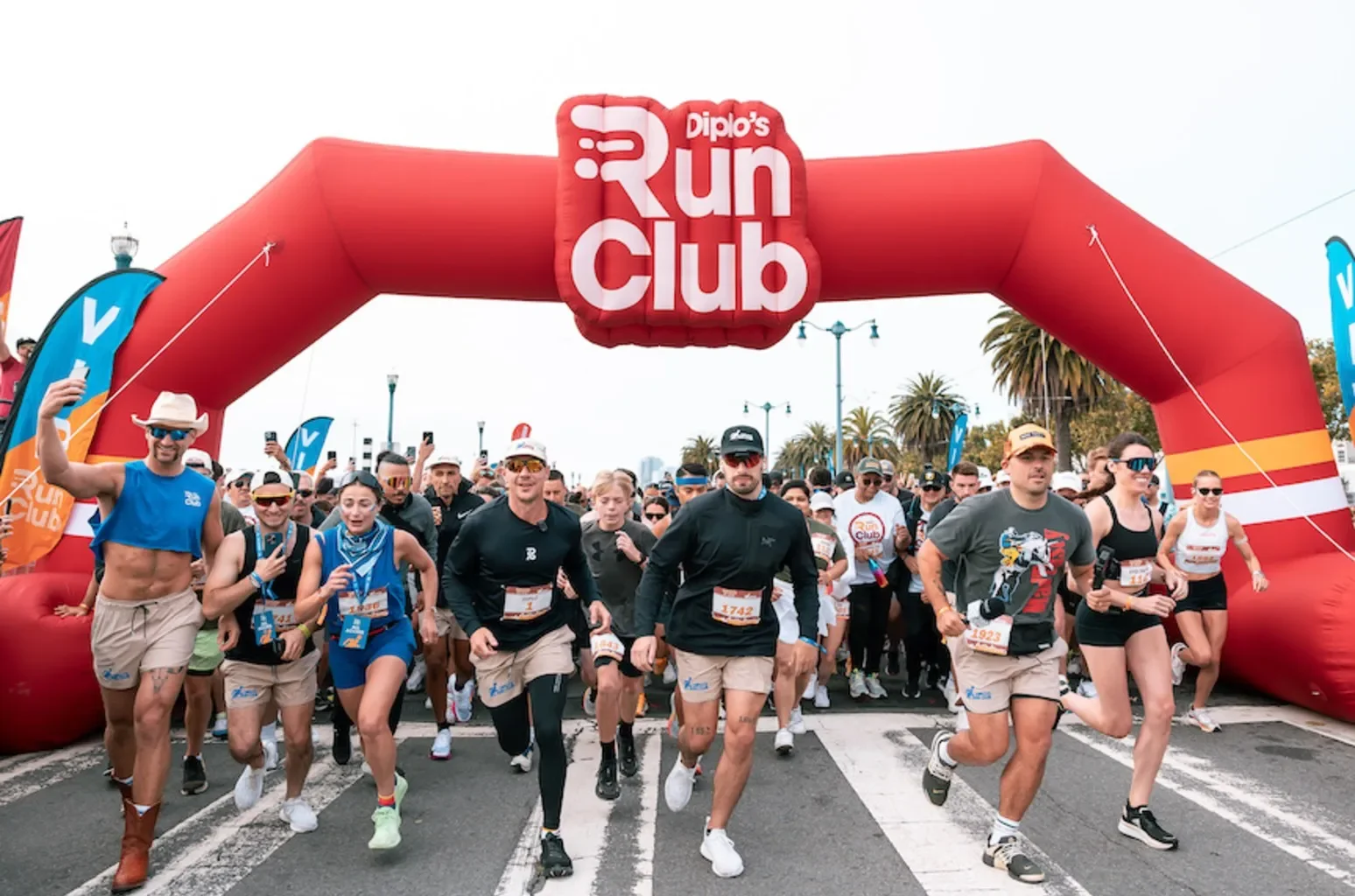
The rise of community-driven run clubs reflects the same broader shift. Events like Diplo’s Run Club are succeeding because they combine fitness, music, social identity, and real-world connection into something people actively want to belong to. The value is not just the activity itself, but the community ecosystem surrounding it.
The Consumer Expectation Has Changed
Across entertainment, fashion, sports, and food, the strongest experiential work today feels:
community-driven
culturally aware
participation-first
socially native
emotionally relevant
Consumers are rewarding brands that contribute something meaningful to the environments they enter instead of simply demanding attention from them.
The SoHo Take
The brands leading experiential right now are not simply creating bigger activations. They are creating experiences consumers actively want to participate in because the experience itself delivers value beyond marketing.
That shift is changing what audiences expect from brands entirely. Let’s connect.