
Building Brand Loyalty Through Experiences and Connection
Why the Future of Loyalty Feels More Human
For years, brand loyalty has been built around accumulation. Points, rewards, status tiers, and exclusive benefits have become familiar ways to encourage repeat purchases.
Those systems still have value, but as technology makes transactions faster and more convenient, brands have an opportunity to build relationships around something different: meaningful human experiences.
That idea sits at the center of SoHo Experiential's research on fandom, participation, and community. As more of our lives become digital, the moments that bring people together in real life offer a different kind of value.

LOYALTY IS MORE THAN A REWARDS PROGRAM
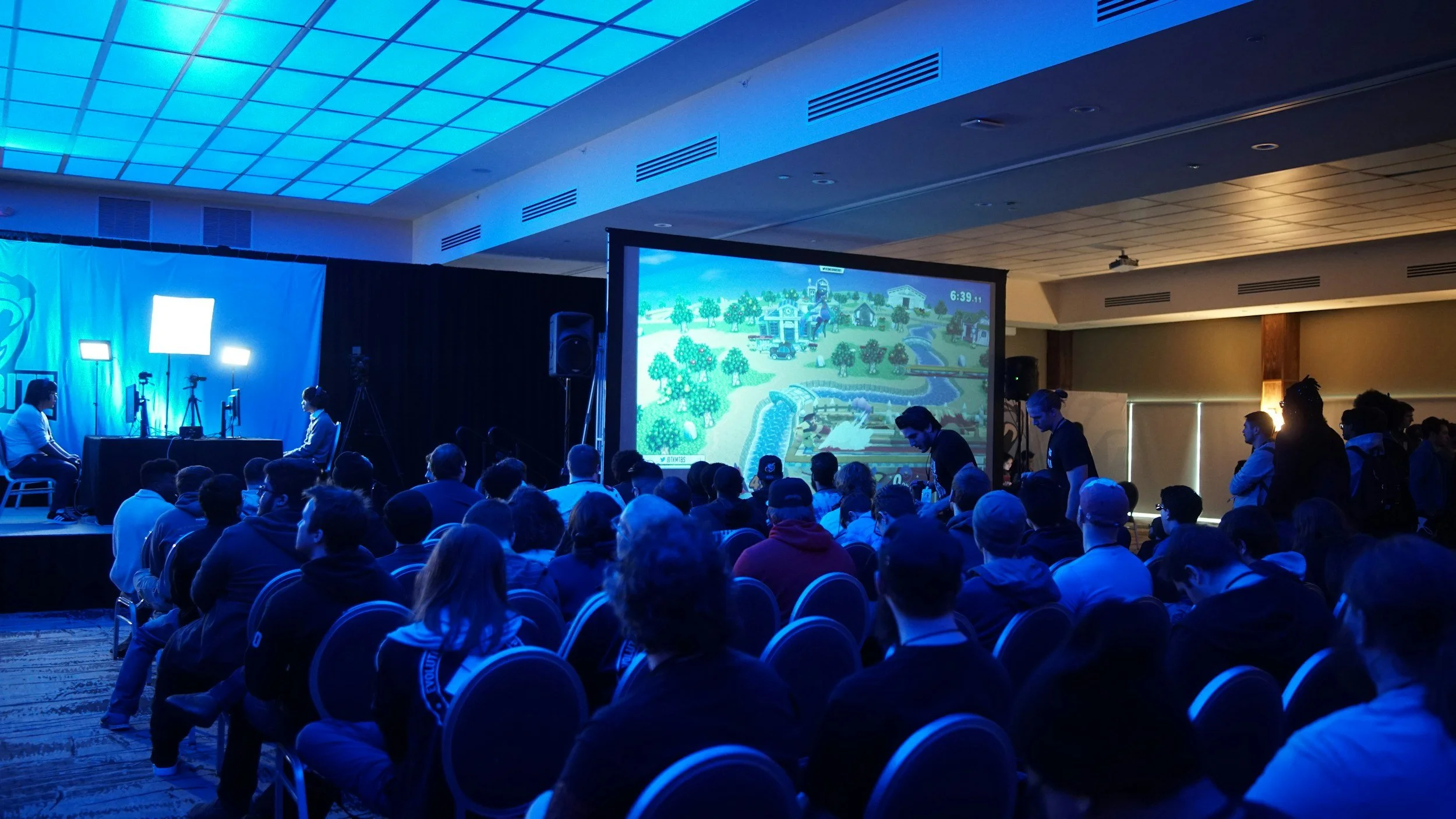
Some of the strongest communities aren't held together by points or discounts. Sports fans, music enthusiasts, gaming communities, and run clubs remain engaged because participation becomes part of their lives.
People return for familiar rituals, shared interests, and relationships with others who care about the same things.
For brands investing in experiential marketing , this creates an opportunity to complement transactional loyalty programs with experiences that deepen consumer relationships.
A recurring brand activation, community event, or entertainment partnership can give audiences something to look forward to beyond their next purchase.

EXPERIENCES CREATE VALUE THROUGH MEMORY
A memorable brand experience can continue influencing how someone feels about a company long after the event ends.
People remember the conversations, unexpected moments, and shared celebrations that made an experience meaningful to them.
For marketers, this is where brand community building becomes part of a longer-term customer engagement strategy. Rather than treating every activation as an isolated campaign, brands can create recurring opportunities for customers to connect with one another and develop a stronger relationship with the brand.
The business objective extends beyond attendance and impressions to include repeat participation, customer retention, advocacy, and brand affinity.
The Human Premium
Our research explores the Human Premium: the increasing value of genuine human interaction as technology automates more everyday experiences.
AI can simplify transactions, personalize recommendations, and help brands understand consumer behavior. But the relationships people develop through shared experiences offer something different.
For brands, the opportunity isn't to choose between technology and human connection. It's to use each where it creates the most value.
Technology can make an experience seamless, while thoughtful brand activations and live events can create the participation, recognition, and sense of belonging that strengthen relationships over time.
The SoHo Take
As experiences, hospitality, entertainment, and community increasingly intersect, marketers have opportunities to create meaningful interactions that complement traditional loyalty programs.
The strongest experiential strategies connect those moments to long-term business goals, creating value for both the brand and the people who choose to participate. Let’s connect.