
World Cup 2026: Sports Marketing and Shared Experiences
The World Cup Is Bringing Back Something We've Been Missing
As the World Cup approaches, most of the conversation is focused on attendance figures, sponsorship opportunities, tourism impact, and media reach.
Those numbers matter, but they miss what may be the most important story unfolding around the tournament.
For a few weeks, millions of people from different countries, cultures, and backgrounds will gather around a shared passion. They will celebrate together, travel together, discover new cities together, and form connections that would have been almost impossible under normal circumstances.
At a time when many people feel increasingly disconnected from one another, the World Cup creates something surprisingly rare: a reason to come together.
In many ways, it has less to do with soccer than it does with belonging.
Kansas Adopts Algeria
The World Cup has a unique ability to create allegiances that make absolutely no sense on paper.
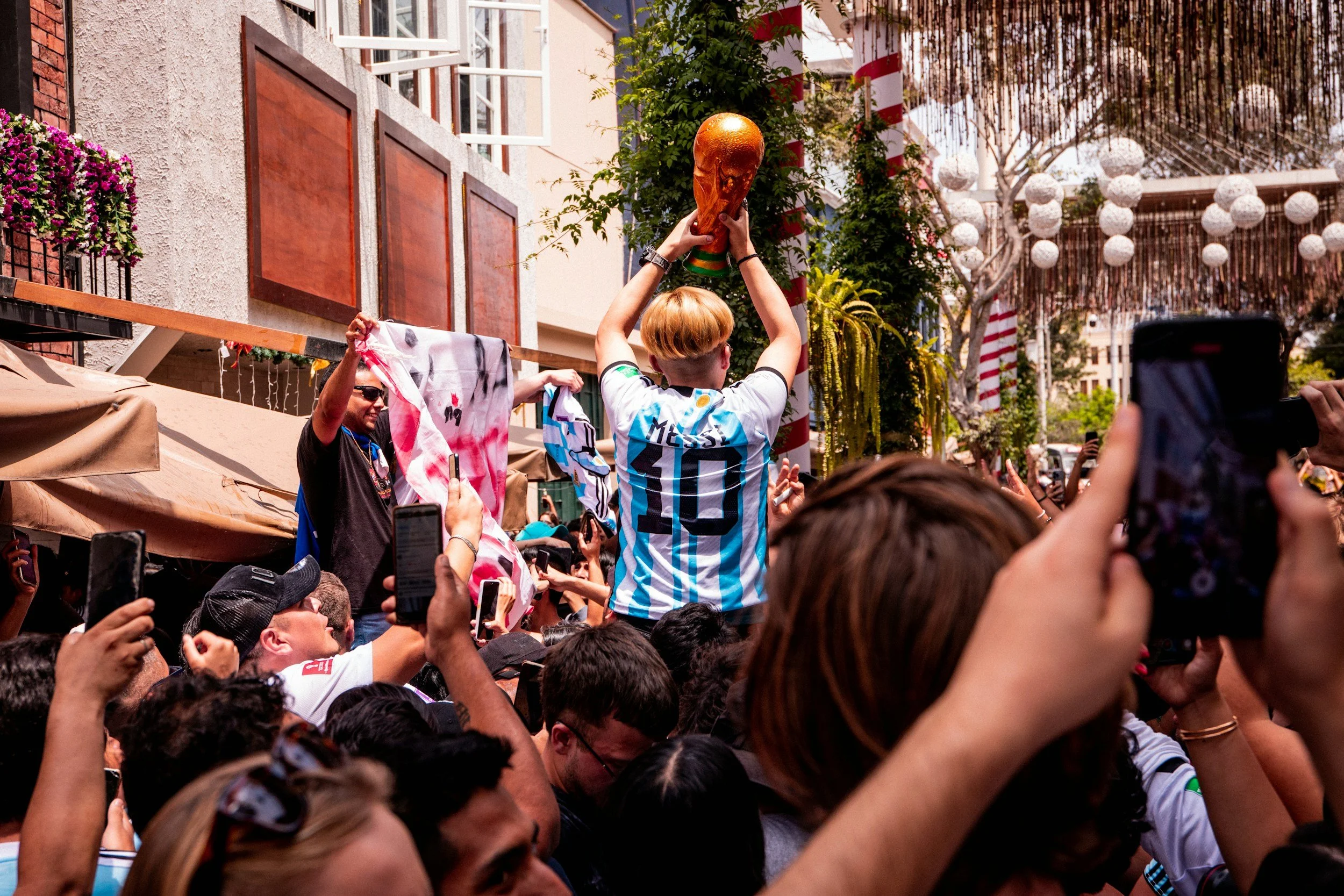
Somewhere in Kansas, a family that had never watched an Algerian match before suddenly finds itself following the team throughout the tournament. Maybe it starts with a conversation at a watch party. Maybe it's a local business owner. Maybe it's a group of visiting supporters who invite them into the celebration.
The reason almost doesn't matter.
What matters is that people become emotionally invested in communities they had no prior connection to. The World Cup turns strangers into neighbors and distant countries into personal stories. For a few weeks, geography becomes less important than human connection.
Scotland Finds a Second Home in Boston
Certain pairings feel inevitable.
Scottish supporters arriving in Boston will find a city that already shares much of their cultural DNA. The history, the music, the pubs, the storytelling traditions, and the sense of local pride create an immediate sense of familiarity.
What begins as tourism quickly becomes something closer to adoption. Local residents embrace visiting supporters. Visitors experience a version of America they weren't expecting. The result is less about hospitality and more about shared identity, with both groups discovering common ground they may not have realized existed.
The World Meets in New York
No city is better positioned to showcase the social power of the World Cup than New York.
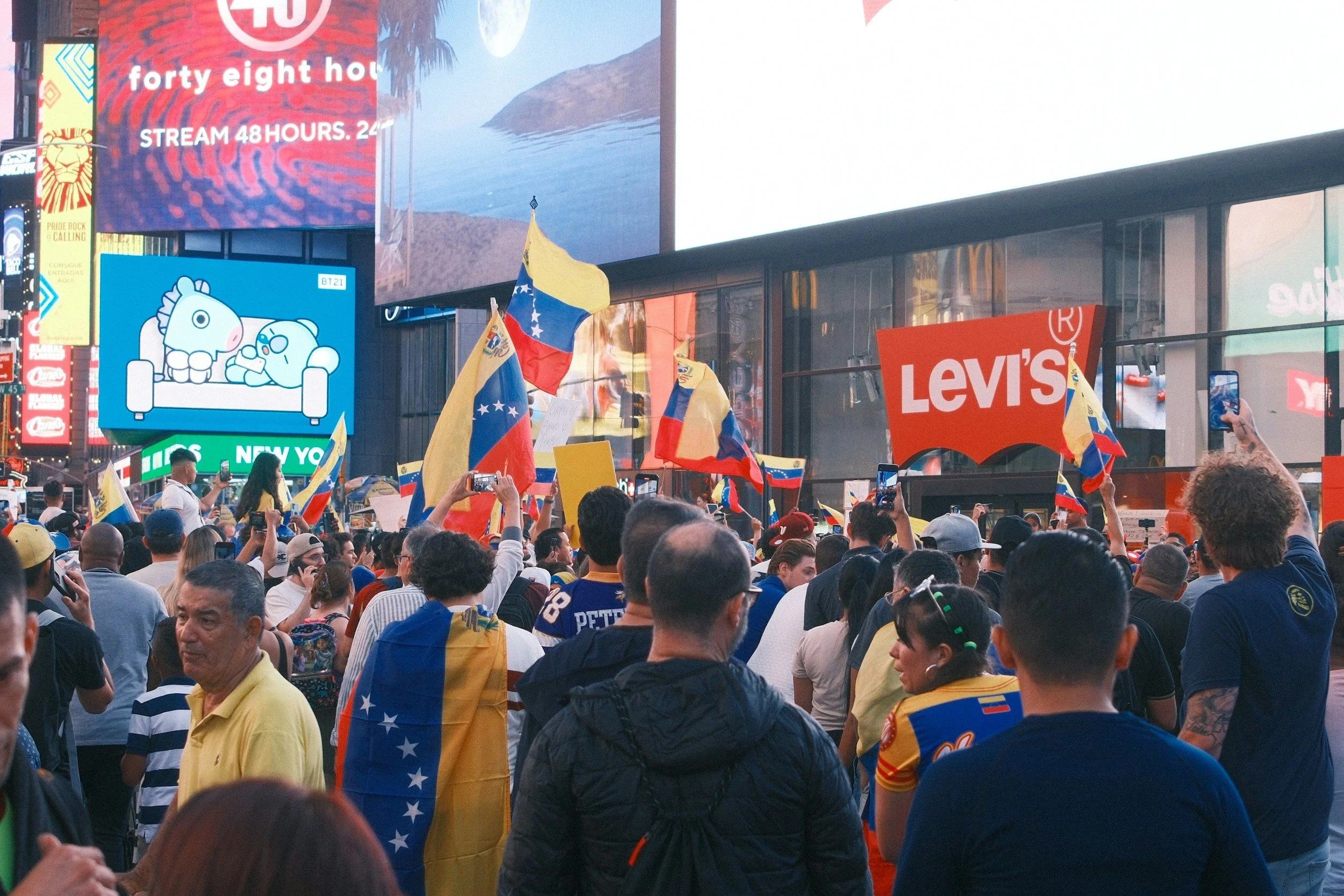
Over the course of the tournament, millions of people from different countries, cultures, and backgrounds will move through the same streets, restaurants, parks, bars, and public spaces. A South Korean supporter might spend an afternoon celebrating alongside a Mexican family. Brazilian fans could find themselves sharing stories with Moroccan supporters. Conversations that would never have happened under normal circumstances suddenly become commonplace.
For many visitors, the most memorable part of the World Cup won't be what happens inside a stadium. It will be the people they meet while experiencing it.
The tournament becomes an excuse to interact with people they otherwise never would have encountered. Those interactions often become the stories people remember most.
Seeing America Through Fresh Eyes
For international visitors, the World Cup offers a version of America that can't be experienced through headlines, social media, or political commentary.
They'll meet restaurant owners, bartenders, volunteers, hotel staff, neighbors, and fans who are simply excited to welcome people into their cities. They'll experience the generosity, curiosity, and enthusiasm that often gets lost in broader narratives.
At the same time, Americans will have the opportunity to experience cultures from around the world without leaving their own neighborhoods.
The result is a rare form of mutual discovery. Stereotypes soften. Assumptions get challenged. People leave with a more nuanced understanding of one another than they arrived with.
There is also something deeply rewarding about that exchange. People genuinely enjoy being seen as welcoming, helpful, and kind. In a culture that often feels defined by division, there is a powerful sense of optimism that comes from realizing how much goodwill still exists when people have a reason to come together.
The Knicks Through Someone Else's Eyes
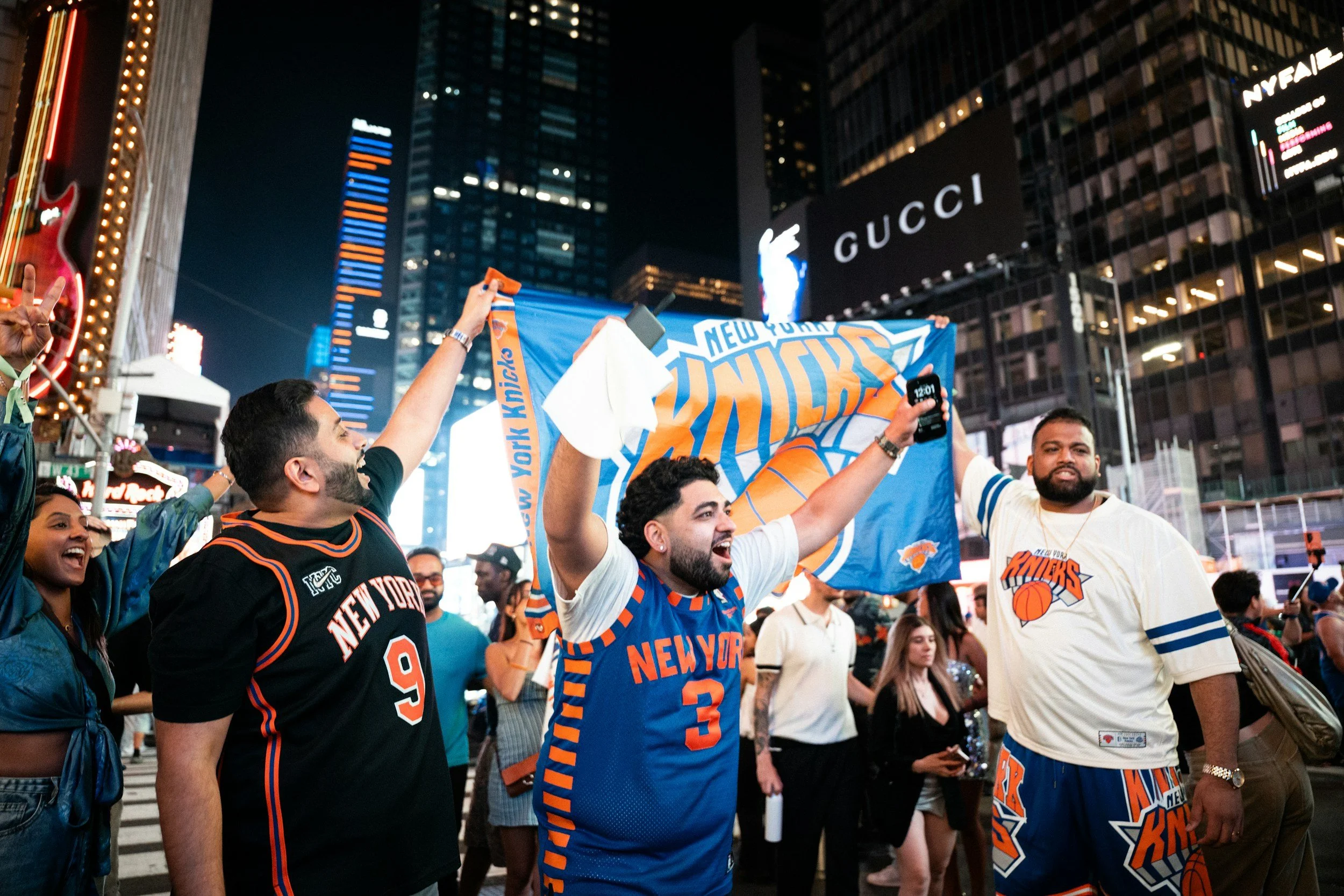
Imagine arriving in New York for your first visit to the United States and finding yourself in the middle of a Knicks championship celebration.
You don't need to understand the history of the franchise to feel the energy. The packed bars, the celebrations spilling into the streets, the strangers high-fiving each other on the subway, the collective joy of a city sharing a moment together.
Years later, many visitors won't remember every match they attended during the World Cup. They will remember what it felt like to be part of New York during that moment in time.
And that's really the story of the World Cup.
The matches create the occasion. The memories are created everywhere else.
Fandom Is Filling a Gap
One of the strongest themes emerging across sports, music, entertainment, and culture is that fandom has become a powerful social connector.
People don't just follow teams, artists, or communities because they enjoy the content. They participate because those communities provide identity, ritual, belonging, and connection. They create opportunities to meet people, share experiences, and feel part of something larger than themselves.
In many ways, fandom is filling a gap that modern life has quietly created.
Traditional community structures have weakened. More interactions happen through screens. Many people feel disconnected despite being more digitally connected than ever before.
The World Cup demonstrates the opposite dynamic. It gives people permission to gather around a shared passion and connect with people they otherwise never would have met.
For a few weeks, differences feel smaller. Curiosity replaces assumption. People find common ground through a shared experience.
The SoHo Take
The biggest opportunity surrounding the World Cup may not be visibility. It may be connection.
As brands think about how to participate in this moment, the goal shouldn't simply be attracting attention. It should be creating environments where people can meet, celebrate, participate, and build memories together.
Because what people will remember most from the World Cup probably won't be the advertisement they saw or the activation they walked through.
It will be the people they met, the stories they shared, and the feeling of belonging they found along the way.
And in a world where genuine human connection increasingly feels scarce, that may be the most valuable thing the World Cup delivers. Let’s connect.