
Tokyo Record Bar NYC: Experiential Hospitality Through Music
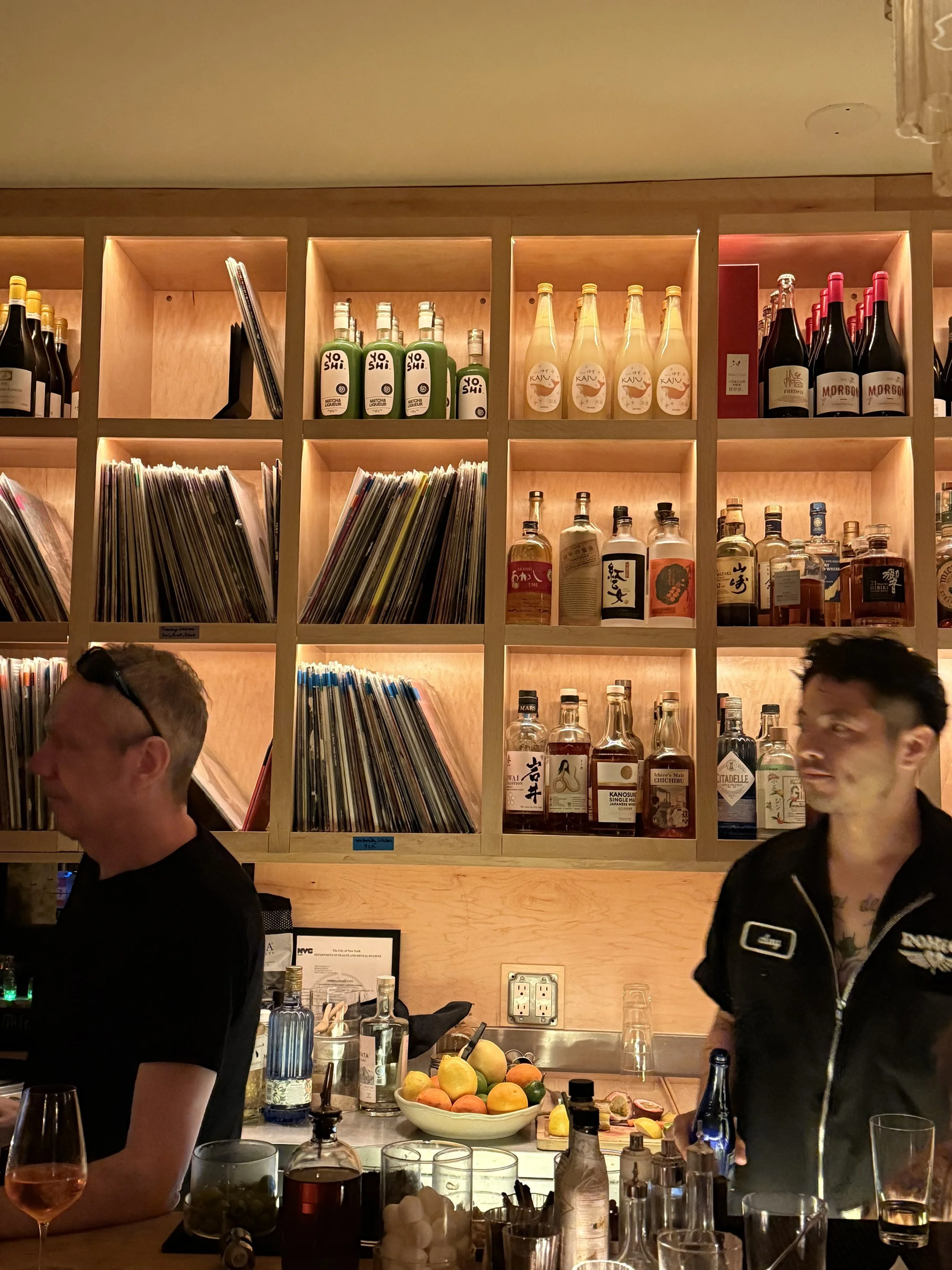
New York has a way of turning niche interests into cultural institutions. Running clubs become communities, jazz clubs become living history, and tucked beneath a cocktail bar on MacDougal Street, a 20-seat listening room has turned vinyl records into one of the city's most communal dining experiences.
I'd heard about Tokyo Record Bar for years, but I wasn't prepared for what would actually make the evening memorable.
Founded by Ariel Arce and inspired by Japan's intimate vinyl listening bars, Tokyo Record Bar brings together music, food, and human connection in a format that feels uniquely New York.
Executive Chef Ignacia Valdés leads the seven-course menu, combining Chilean influences, Japanese ingredients, and French technique. The open kitchen sits just feet from the counter, allowing guests to interact with the team throughout dinner.
But the element that makes the experience particularly interesting is the music.
THE GUESTS BECOME THE CURATORS
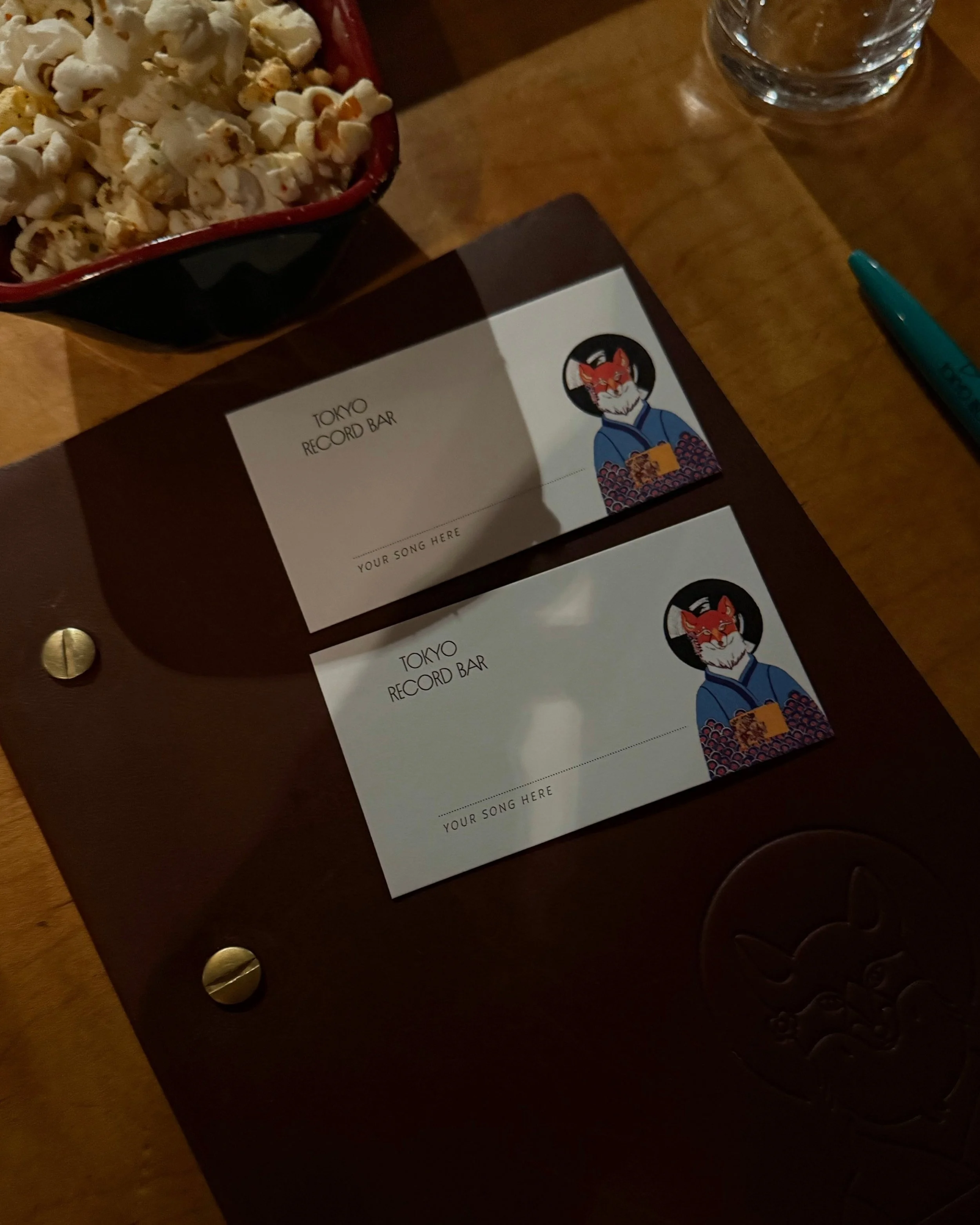
At the beginning of dinner, every guest selects a song from the restaurant's vinyl collection. Over the next two hours, the soundtrack unfolds one record at a time, shaped by the people sitting around the counter.
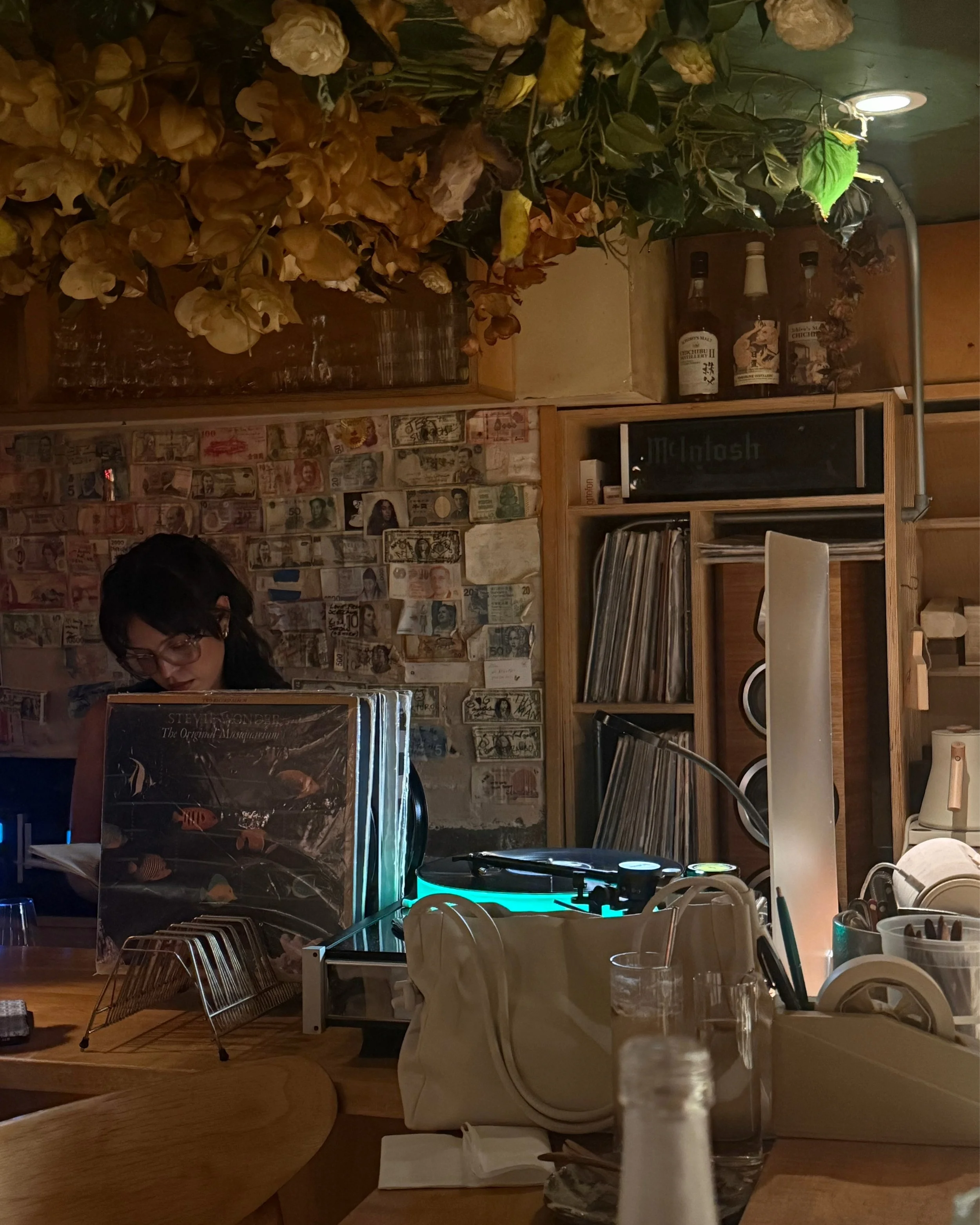
The night I visited, the room moved between Stevie Wonder, Sade, Michael Jackson, and artists I'd never heard before. Every new record sparked recognition, curiosity, or conversation.
Rather than simply listening to a predetermined playlist, we were creating the soundtrack together.
MUSIC CREATES A REASON TO CONNECT
Streaming has made music more accessible than ever, but listening is often a solitary activity. Tokyo Record Bar brings back the social side of discovering music through other people.
Every song choice reveals something about the person who selected it. Conversations begin with a favorite artist and quickly move into concerts, memories, hometowns, and the music that shaped different stages of someone's life.
By the end of dinner, our side of the counter had become its own small community. We were talking with Chef Ignacia and her team, sharing sake with our neighbors, and celebrating each record as though we'd all built the playlist together.
The restaurant creates the conditions for connection without making participation feel forced.
THE BUSINESS CASE FOR EXPERIENTIAL HOSPITALITY
For hospitality brands, restaurants, and lifestyle destinations, Tokyo Record Bar offers an interesting lesson in experiential marketing and community building .
The food and drinks are central to the business, but the format gives guests another reason to choose this particular restaurant. The music creates a distinctive experience that is difficult to replicate through a conventional dinner reservation.
For brands developing hospitality concepts, VIP experiences, or intimate consumer events, the opportunity is to identify what guests already care about and give them a natural way to share it with others.
THE SOHO TAKE
Tokyo Record Bar demonstrates how experiential hospitality can turn individual interests into shared experiences.
The music brings people in, but the participation creates the connection. By giving every guest a small role in shaping the evening, the restaurant creates an experience that feels personal while bringing the entire room together.
For brands investing in live experiences, that combination of individual expression and shared participation can help turn a memorable visit into a stronger relationship with the place and the people behind it.