
Building Culture, Not Cults
Over the past few weeks, we've explored why fandom matters and how it grows. The final section of Brands Built for Fandom shifts the conversation from how to build a community to how to build one responsibly.
As more brands chase loyalty and engagement, it's worth asking a different question: What kind of community are you actually creating?
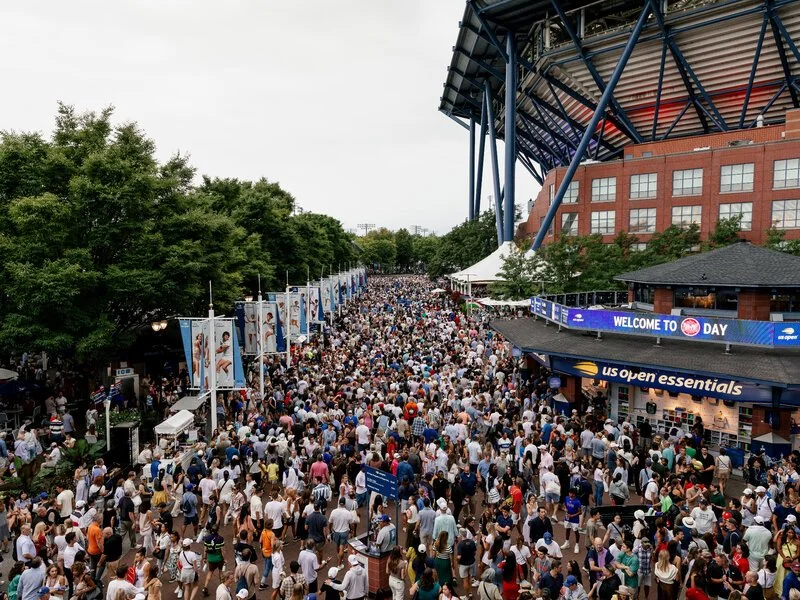
CULTURE CAN'T BE FORCED
There's a fine line between building community and trying to manufacture loyalty.
The healthiest fandoms are built on transparency, reciprocity, and choice. People stay because they find value in participating, not because they're manipulated into paying attention. When a community begins serving the organization more than the people inside it, it stops feeling like culture and starts feeling transactional.
Brands often talk about creating lifelong fans, but loyalty can't be engineered. It has to be earned over time.
PARTICIPATION BUILDS OWNERSHIP
Technology has made it easier than ever to understand customer behavior. AI can now track movement, dwell time, facial expressions, wait times, and countless other interactions inside physical environments. The technology exists, but that doesn't mean every interaction should be measured.
The report argues that the future isn't about collecting more data. It's about creating more opportunities for people to participate.
Participation creates ownership, ownership creates loyalty.
That's a much stronger foundation than simply asking people to consume more content.
THE COMMUNITIES THAT LAST GIVE SOMETHING BACK
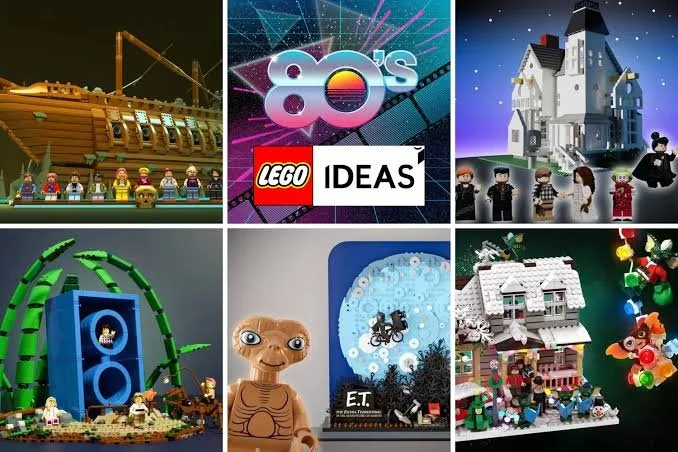
One of the best examples in the report is LEGO Ideas. Rather than treating customers as consumers, LEGO invites them to submit product ideas, vote on new concepts, and even earn royalties if their designs are selected. The community doesn't just support the brand. It helps shape it.
The same principle applies well beyond retail. Sports, music, gaming, and cultural communities all thrive because participation creates a sense of ownership. People return not simply because something is happening, but because they feel like they're part of the story.
The strongest communities always give people something meaningful to contribute.
FANDOM IS A LONG-TERM COMMITMENT
One of the most practical takeaways from the report is that fandom isn't a campaign or a marketing tactic. It's a long-term commitment.
Before investing in community, organizations should ask themselves whether they're prepared to support it for years, not months. Can leadership commit to the investment? Does the product genuinely deserve devotion? Is the goal to create value for the community, or simply drive more engagement?
Those questions matter because real communities aren't built overnight. They're built through consistency, trust, and shared experiences over time.
THE SOHO TAKE
Not every brand needs fandom. But every brand can learn from the communities that earn it.
The strongest communities aren't sustained through algorithms or endless content calendars. They grow because people see themselves in them, contribute to them, and find value in returning.
As experiential marketers, that's the real opportunity. It isn't simply creating moments people remember. It's creating places, rituals, and experiences that people choose to come back to, again and again. That's how brands become part of culture instead of simply marketing to it.
Let’s connect. Read our presentation here.