
The next generation of sports fans may not discover their favorite team, athlete, or competition by watching a game. They may discover it through an experience.
A cultural celebration. An immersive pop-up. A shared moment with friends. An unexpected introduction to a sport they knew little about. As sports and entertainment continue to converge, the opportunity for brands, leagues, and properties is expanding well beyond the competition itself.
Because fandom doesn't always begin with the game. Sometimes, it begins with everything surrounding it.
THE EXPERIENCE IS THE ENTRY POINT
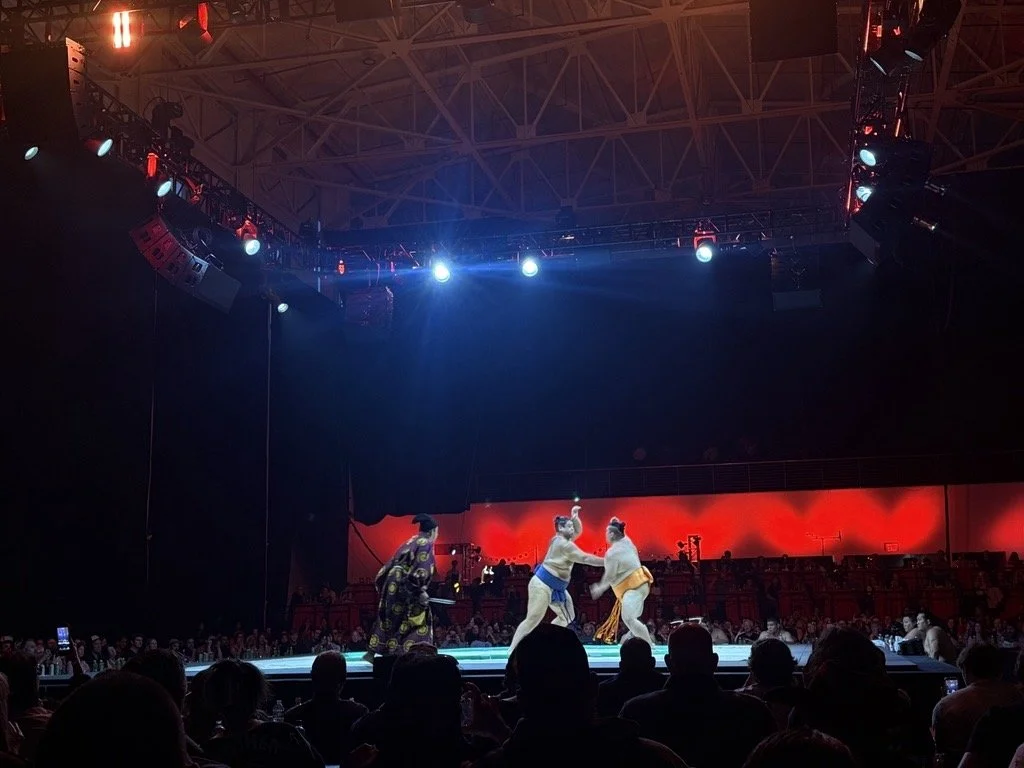
I recently attended Sumo + Sushi at Duggal Greenhouse in Brooklyn, an event that offered a compelling example of how experiences can introduce new audiences to a sport.
The evening combined live sumo exhibition matches with Japanese cultural storytelling, food, hospitality, and exclusive access. Legendary sumo wrestler Konishiki guided guests through the history, traditions, and rules of a sport with more than 1,500 years of history.
Different ticket experiences offered sushi, premium seating, drinks, and photo opportunities with the wrestlers.
But what made the event particularly interesting wasn't simply the combination of sports and entertainment. It was how intentionally the experience welcomed people into the world of sumo. Guests didn't need to arrive as fans. They didn't need to understand the rules, recognize the athletes, or know the traditions.
The experience gave them a reason to become interested. That's an important distinction for sports marketers: creating new fans often starts by removing the barriers to becoming one.
TURNING A SPORTING EVENT INTO A CULTURAL EXPERIENCE
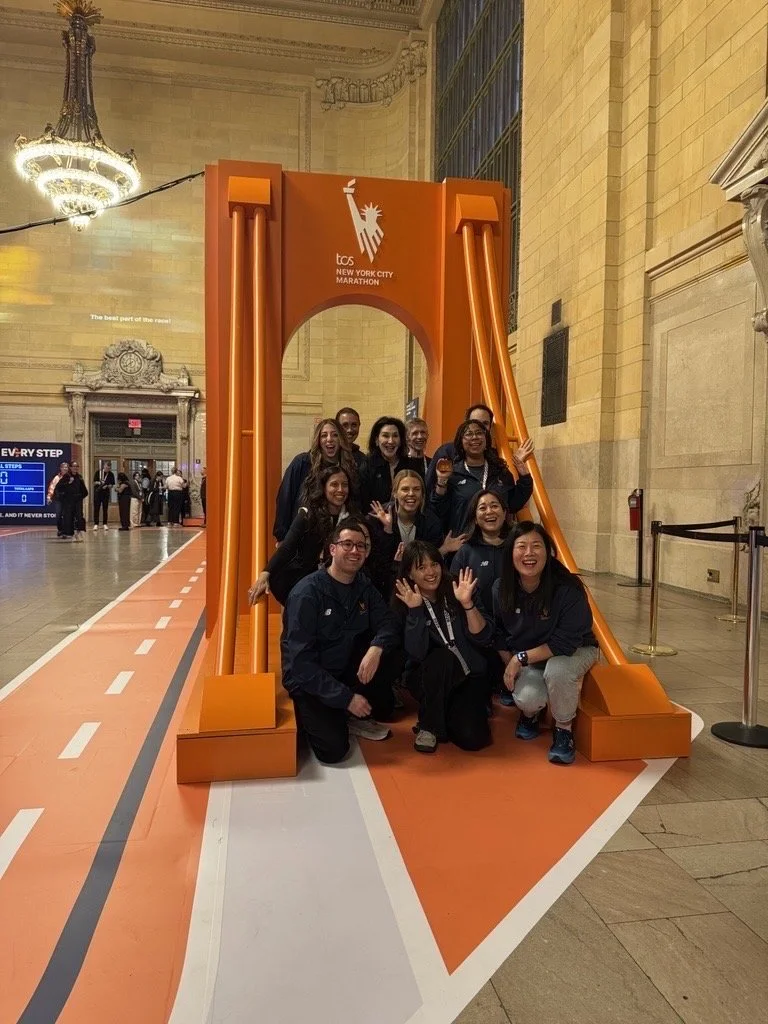
To celebrate 50 years of the iconic five-borough course, SoHo and NYRR transformed Grand Central Terminal's Vanderbilt Hall into an immersive experience called 50 Years Through the Five Boroughs.
Rather than limiting the celebration to runners or race-day spectators, the activation brought the history, energy, and culture of the marathon into one of New York City's most recognizable public spaces.
Visitors could explore a custom track winding through all five boroughs, engage with interactive experiences, enjoy music and photo opportunities, and contribute toward a collective goal of 1,976,000 steps, a nod to the marathon's first five-borough course in 1976. The experience created a new way to participate in the marathon without ever crossing the starting line.
For lifelong runners, it celebrated a shared passion. For casual observers, commuters, families, and visitors, it offered an accessible introduction to the event and the communities that make it special.
FANDOM GROWS WHEN PEOPLE FEEL PART OF SOMETHING
Sumo + Sushi and NYRR's 50th anniversary activation are very different experiences, but they share an important principle. Both created opportunities for people to connect with a sport through something beyond the competition.
One used cultural storytelling, hospitality, and athlete access to introduce audiences to a centuries-old tradition. The other used history, community, and collective participation to bring one of the world's most iconic sporting events to a broader audience.
In both cases, the experience gave people a role to play. And that matters because the strongest fan relationships aren't built solely on what people watch. They're built on what people feel, share, remember, and choose to participate in.
For brands and rights holders, this creates opportunities to rethink how sponsorships, live events, and fan engagement programs are designed. Instead of asking only how to reach more fans, the better question may be:
How do we create experiences that make more people want to become fans?
THE FUTURE OF SPORTS MARKETING IS BIGGER THAN GAMEDAY
The boundaries between sports, entertainment, hospitality, retail, and culture are increasingly interconnected.
Fans discover athletes through social content. They connect with teams through fashion and music. They engage with sporting events through community experiences, creator collaborations, and branded activations.
And they build emotional connections in places that may have little to do with the actual field of play.
For marketers, this shift opens up three important opportunities:
1. Make fandom more accessible. Create entry points that welcome people who may be curious about a sport but don't yet consider themselves fans.
2. Design for participation, not just attendance. Give audiences something meaningful to do, contribute, discover, or share.
3. Extend the experience beyond the event. Build connections that continue through communities, content, cultural moments, and future interactions.
The most effective sports and entertainment experiences don't simply amplify the main event. They expand what it means to be part of it.
THE SOHO TAKE: DON'T JUST REACH FANS. CREATE THEM.
At SoHo Experiential, we believe fandom is something you feel. It's built through access, participation, shared rituals, and experiences that create a sense of belonging.
Whether introducing audiences to a sport they've never experienced or inviting an entire city to celebrate a marathon's history, the opportunity is the same: create connections that make people want to come back for more.
Because the true value of an experience isn't limited to what happens in the moment. It's what that moment inspires next.
And for sports and entertainment brands looking to grow, that may be the most important opportunity of all.