
How to Build Brand Communities Through Audience Engagement
Two weeks ago, we explored why fandom has become one of the strongest forces shaping culture today. The takeaway was simple: people don't just buy into brands anymore. They want to belong to something. The next question explores how fandom actually works.
How does that actually happen?
If you've ever wondered why some brands become movements while others disappear after a successful campaign, the answer isn't usually better advertising or bigger budgets. It's that they've created an environment where people can participate instead of simply consume.
That's the difference between having an audience and building a community.
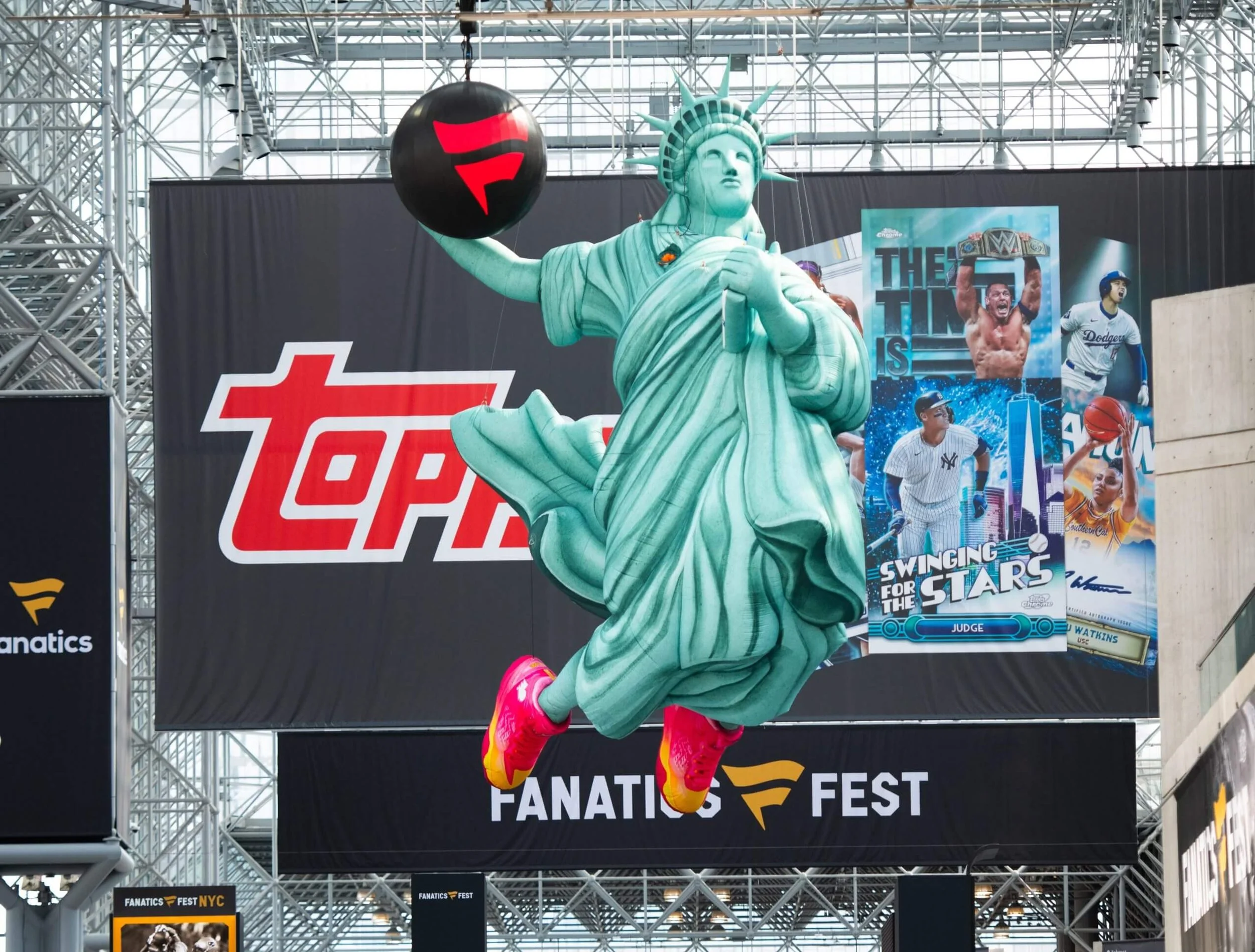
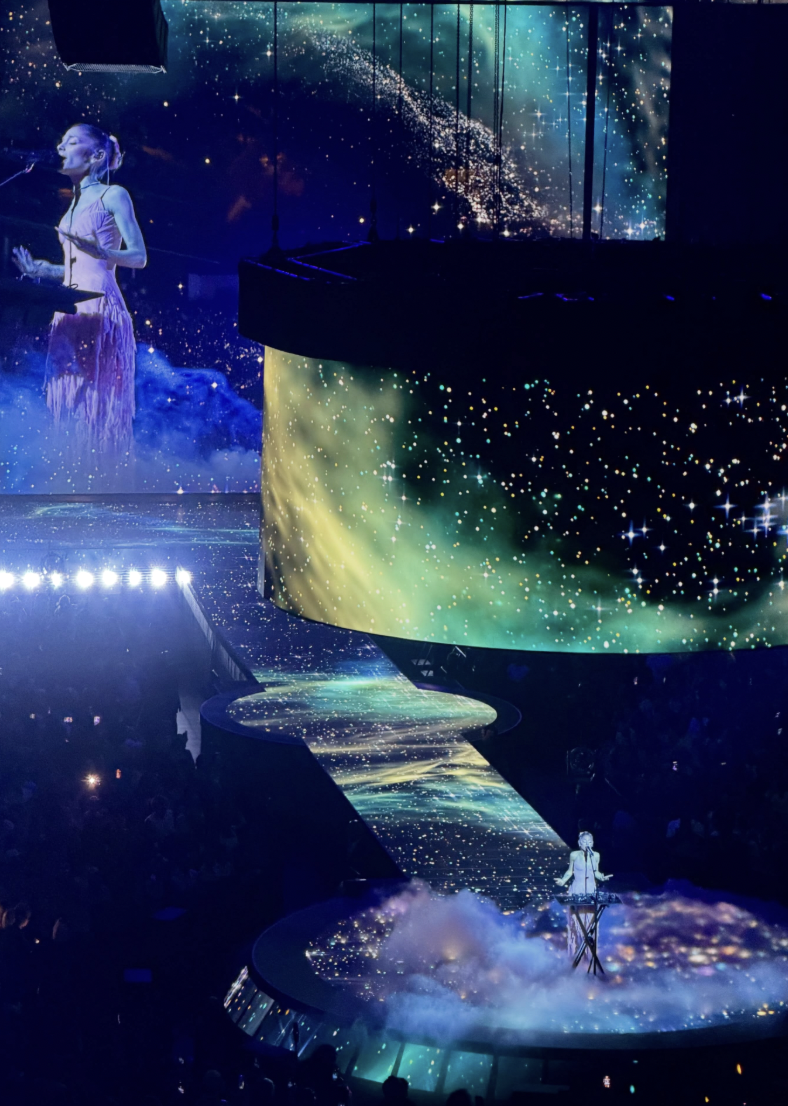
People Don't Become Fans Overnight
Most brands imagine fandom as a destination. Someone discovers the brand, falls in love with it, and eventually becomes a loyal customer.
Real communities rarely work that way.
People almost always begin on the outside. They watch, they observe, and they learn the culture before they ever contribute. Then something shifts when they leave a comment, attend an event, create a piece of content, or help another member of the community. Before long, they aren't simply following the brand anymore, they're helping shape it.
Our research shows that this progression happens much faster than most people realize. Within a year of consistently contributing, participation often becomes part of someone's identity rather than just another hobby.
That's a powerful idea because it completely changes what brands should be optimizing for.
Participation Is More Valuable Than Attention
For decades, marketing has rewarded visibility. More impressions, more reach, more awareness.
Those things still matter, but they aren't what create lasting relationships.
One of the strongest findings in our research compared purchase intent against impressions, engagement, and participation depth. Participation wasn't just the strongest indicator. It outperformed everything else by a wide margin. Seeing an ad may introduce someone to a brand, but actively participating in its world creates a much stronger relationship.
The implication is hard to ignore.
If your audience never has an opportunity to contribute, they'll probably never develop a reason to stay.
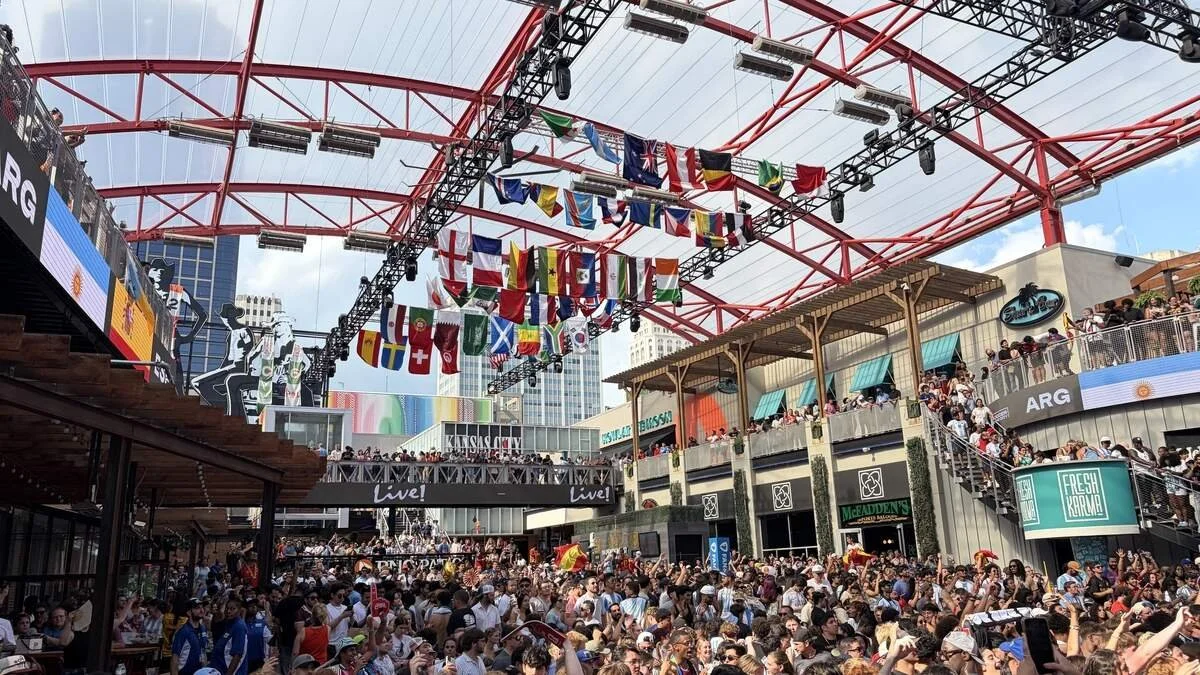
The Best Communities Become Self-Sustaining
One of our favorite ideas in the presentation is the concept of a self-animating field.
Healthy communities don't rely on a brand to generate every interaction. They develop their own ecosystem of moderators, creators, translators, educators, and organizers who collectively keep the community alive. The brand still plays an important role, but it becomes more like a steward than the sole source of energy.
That's a very different mindset from traditional marketing.
Instead of constantly asking, "What should we publish next?" the better question becomes, "What can we enable our community to create together?"
THE SOHO TAKE
Brands spend a lot of time asking how to get more people to pay attention.
A better question might be how to give people something worth participating in.
The strongest communities aren't built because the marketing was louder than everyone else's. They're built because people found meaningful ways to contribute, connect with one another, and become part of something that felt bigger than themselves.
That's the opportunity for brands today. Not to build a bigger audience, but to build a more engaged community.
Let’s connect. Read our presentation here.