
The game creates the moment. Everything around it creates the fandom.
For decades, sports sponsorships have been built around the game. The broadcast. The stadium. The signage. The moments when millions of fans are watching.
But some of the most powerful opportunities for brands happen when the clock isn't running.
They're in the parking lots before kickoff. The family traditions passed down through generations. The neighborhood bars filled with familiar faces. The jerseys worn on ordinary Tuesdays. The group chats, creator communities, and cultural conversations that keep fans connected long after the final whistle.
These aren't secondary experiences. They're the moments that make fandom matter.
And for brands willing to think beyond game day, they represent an enormous opportunity to build deeper relationships, reach new audiences, and create lasting business value.
Thanksgiving Football: When Fandom Becomes Culture
Few moments demonstrate the cultural power of sports quite like Thanksgiving.
Football has become as much a part of the holiday as the meal itself. Generations gather around the television, families organize celebrations around kickoff, and annual traditions connect people to teams, players, and one another.
This year, the NFL is expanding that tradition with five games spanning Thanksgiving Eve, Thanksgiving Day, and Black Friday, including its first Thanksgiving Eve matchup on Netflix.
But the opportunity isn't simply more games or more impressions. It's the culture surrounding them.
Thanksgiving brings together sports, food, entertainment, travel, retail, and family traditions in a way few other moments can. And audiences don't experience those things separately. They move naturally between them.
For marketers, that creates an important shift in perspective. The opportunity isn't just to sponsor the game. It's to become part of the traditions that make the game meaningful.
A brand that enhances a family gathering, brings a community together, or creates a new holiday ritual can earn a place in fans' lives that extends well beyond a broadcast.
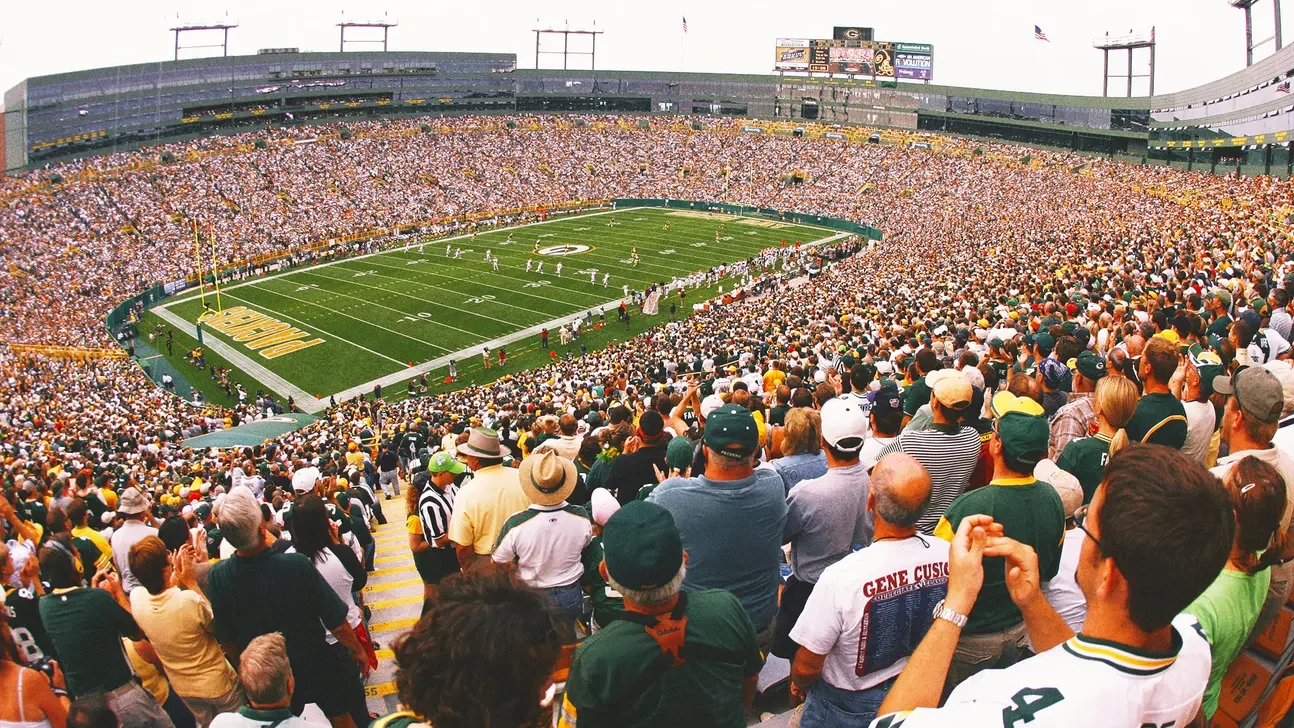
The Fan Experience Is Bigger Than the Stadium
A fan might spend three hours watching a game, but their relationship with a team or sport exists every day. They express that connection through what they wear, where they gather, what they share, what they buy, and the communities they belong to.
Yet sponsorship strategies often concentrate heavily on the moments when fans are watching rather than the moments when they're participating. That's a missed opportunity.
Consider how brands can extend a sports partnership beyond the venue:
Community and culture: Neighborhood watch parties, local celebrations, and fan gatherings that make national sports properties feel personal.
Retail and lifestyle: Merchandise collaborations, pop-ups, and shopping experiences that turn team affinity into everyday expression.
Content and creators: Authentic storytelling that introduces new audiences to a sport and keeps conversations going between games.
Hospitality and live experiences: Shared moments that bring fans closer to the people, places, and traditions they care about.
These aren't simply additional sponsorship assets. They're opportunities to become part of how people experience fandom. And importantly, they can reach audiences who may never set foot inside a stadium.
For brands, that creates an opportunity not only to engage existing fans, but to help create new ones.
From Sponsorship visibility to cultural relevance
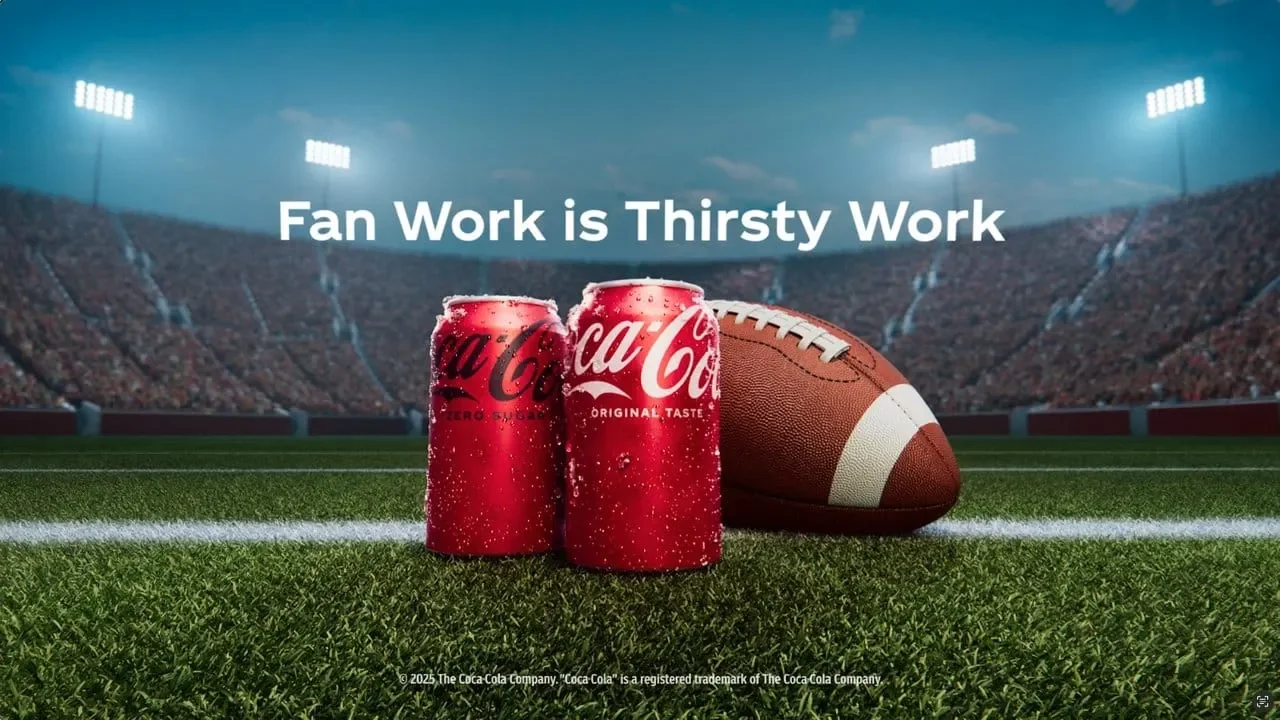
Coca-Cola's 2026 football campaign offers a compelling example of how brands can move beyond traditional sponsorship visibility. Its Fan Work Is Thirsty Work campaign celebrates the everyday rituals of football fandom through a 74-stop fan tour, retail experiences, creator partnerships, social content, and fantasy football integration.
Rather than focusing exclusively on the action on the field, Coca-Cola is showing up in the places where fans already express their passion, from tailgates and campuses to living rooms and group chats.
The underlying strategy is important: Rather than relying on a single sponsorship touchpoint, brands can create multiple opportunities for fans to participate and connect.
Visibility puts a brand in front of an audience. Relevance gives that audience a reason to care.
And the strongest sponsorships create something even more valuable: a role for the brand in experiences fans genuinely want to be part of.
That requires moving beyond a traditional inventory-first approach to sponsorship. Instead of starting with what assets are available, brands should start with the fan.
What brings them together? What traditions do they value? Where does their passion intersect with culture? And what could a brand contribute that makes those experiences better?
The answers create opportunities for partnerships that feel less like advertising and more like belonging.
The Real Opportunity: Turning Moments into Momentum
For brands and rights holders, success shouldn't end when the event does.
A great activation can generate attention. But a connected strategy can turn that attention into an ongoing relationship.
Imagine a sponsorship that begins with a live experience, extends through creator content, encourages participation in local communities, and brings fans back through recurring programming.
Each touchpoint builds on the last. Each experience creates another opportunity to understand the audience, strengthen the relationship, and demonstrate business impact.
That's how sponsorships evolve from isolated moments into platforms for sustained engagement and growth. It also changes how we measure success.
Impressions and attendance remain important, but they're only part of the picture. Brands should also be asking whether experiences are driving participation, deepening affinity, reaching new audiences, and influencing meaningful consumer behavior. Because the most valuable sponsorships don't simply capture attention.
They create reasons for fans to keep coming back.
The SoHo Perspective: Sponsor the Fan, Not Just the Game
At SoHo Experiential, we believe the future of sports marketing belongs to brands that understand fandom as something bigger than a game, a season, or a sponsorship asset.
It's a living connection between people, communities, and culture. And the most powerful brand experiences are built around that connection.
Our approach starts with understanding what moves fans, then creating experiences that earn a meaningful place in their world. We bring together audience intelligence, creative strategy, cultural relevance, and experiential execution to turn those connections into measurable growth.
Thanksgiving football is a timely reminder of what's possible when sports become part of people's lives. The game may bring everyone together. But the traditions, experiences, and relationships surrounding it are what keep them connected.
The game is only the beginning. The real opportunity for brands is everything that happens beyond it. Let’s connect.