
Jazz in harlem: The Kind of Room People Return To
This is the start of a new series where we’ll be exploring fandom across New York City and the places, experiences and cultural moments that bring people together. We’re interested in what makes people show up, what turns an audience into a community and why shared experiences still matter so much. At the center of it all is what I think of as the human premium: the value of being together, in real life, experiencing something you simply can’t replicate through a screen.
Living in Harlem means being surrounded by cultural history, even when you are not always consciously thinking about it. Music, art and community are woven into the neighborhood. Sometimes, though, it takes stepping into a room and experiencing that culture firsthand to understand how alive it still is.
This weekend, I went to Smoke Jazz & Supper Club for the first time and saw live jazz for the first time.
Smoke is the kind of venue that already feels meaningful before the first note is played. It is intimate, iconic and clearly loved by the people who continue to fill the room. The show was sold out, which immediately challenged any outdated idea that jazz belongs only to another era. There is a real and active fandom around this music. People are following the artists, reserving tables, recognizing songs and returning to experience them again.
That sense of community was present throughout the entire evening.
The Eric Reed Quartet was joined by René Marie for a summer week celebrating the music of Duke Ellington and Billy Strayhorn. They performed “Caravan,” “Take the ‘A’ Train,” “Chelsea Bridge” and “It Don’t Mean a Thing.”
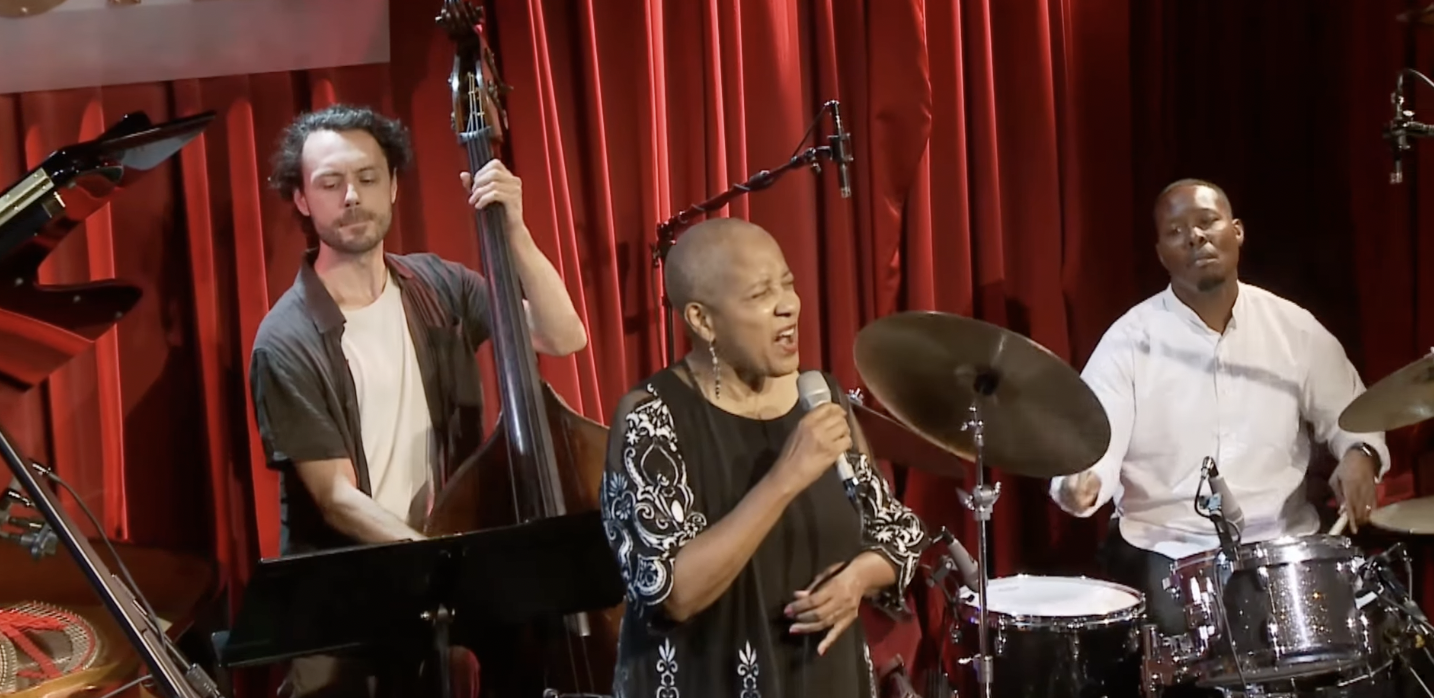
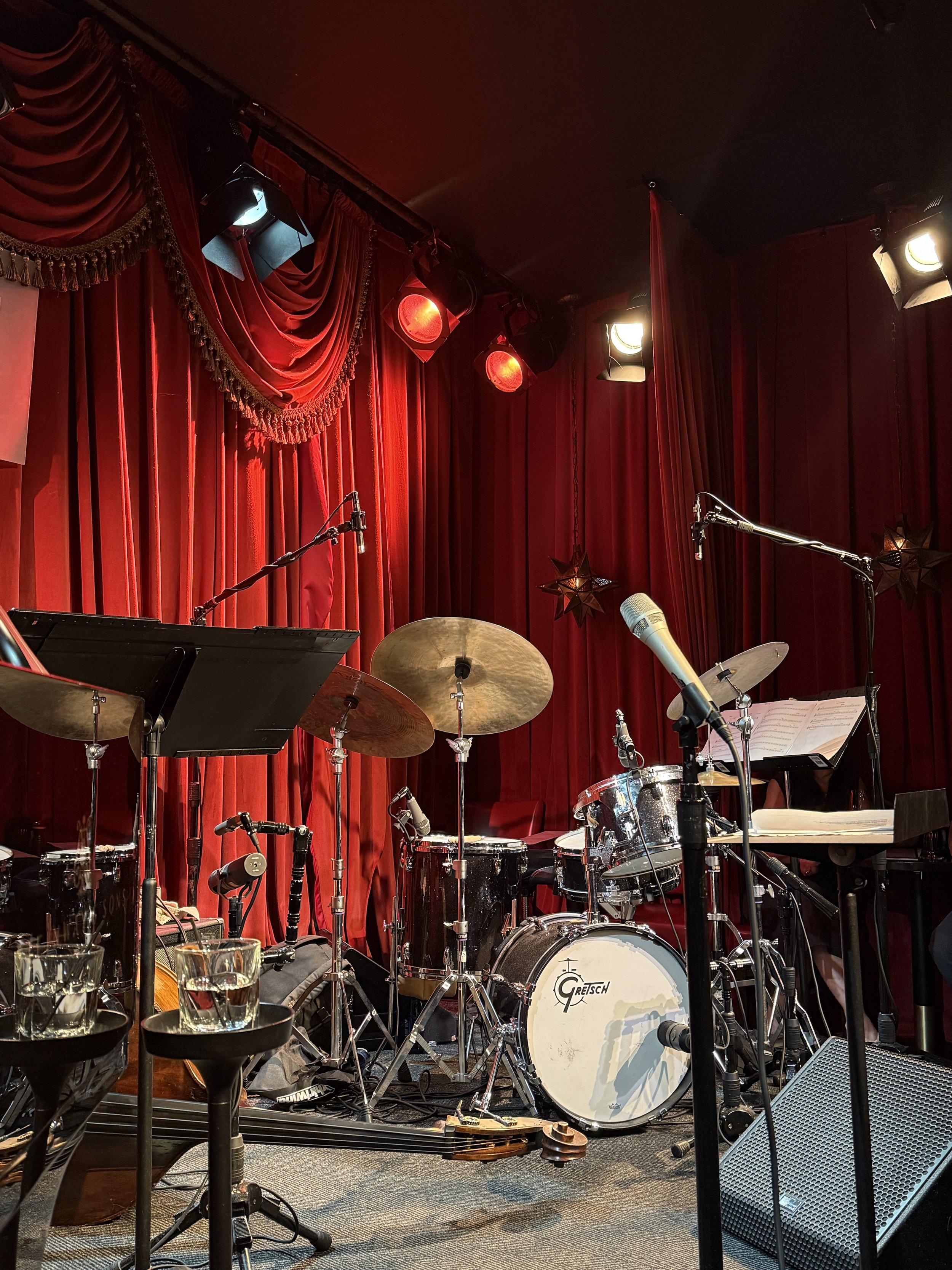
Some songs were familiar, but hearing them live made them feel entirely new.
What stood out most was how connected the room felt. People had arrived with different levels of knowledge and different relationships to the music. Some were clearly longtime jazz fans who knew every introduction. Others, like me, were experiencing it live for the first time. None of that seemed to matter once the performance began.
The music created a shared language.
There was laughter, applause, recognition and anticipation. A change in rhythm could move through the room instantly. A solo could make the entire audience lean forward. The musicians were communicating with one another, but they were also communicating with everyone watching.
That is what great live experiences do. They bring people together without requiring them to arrive with the same background, the same knowledge or the same reason for being there.
In the experiential industry, we talk constantly about building community and creating fandom. We ask what makes someone care enough to show up, stay engaged and come back. Jazz has been doing that for generations.
Its fandom is built around more than a single performance. It is rooted in artists, venues, traditions and the feeling of being part of something that cannot be fully recreated anywhere else. You can stream a recording of “Take the ‘A’ Train,” but that is different from hearing it inside a crowded club, surrounded by people responding to the exact same moment.
The experience belongs to everyone in the room, but it also belongs only to that room.
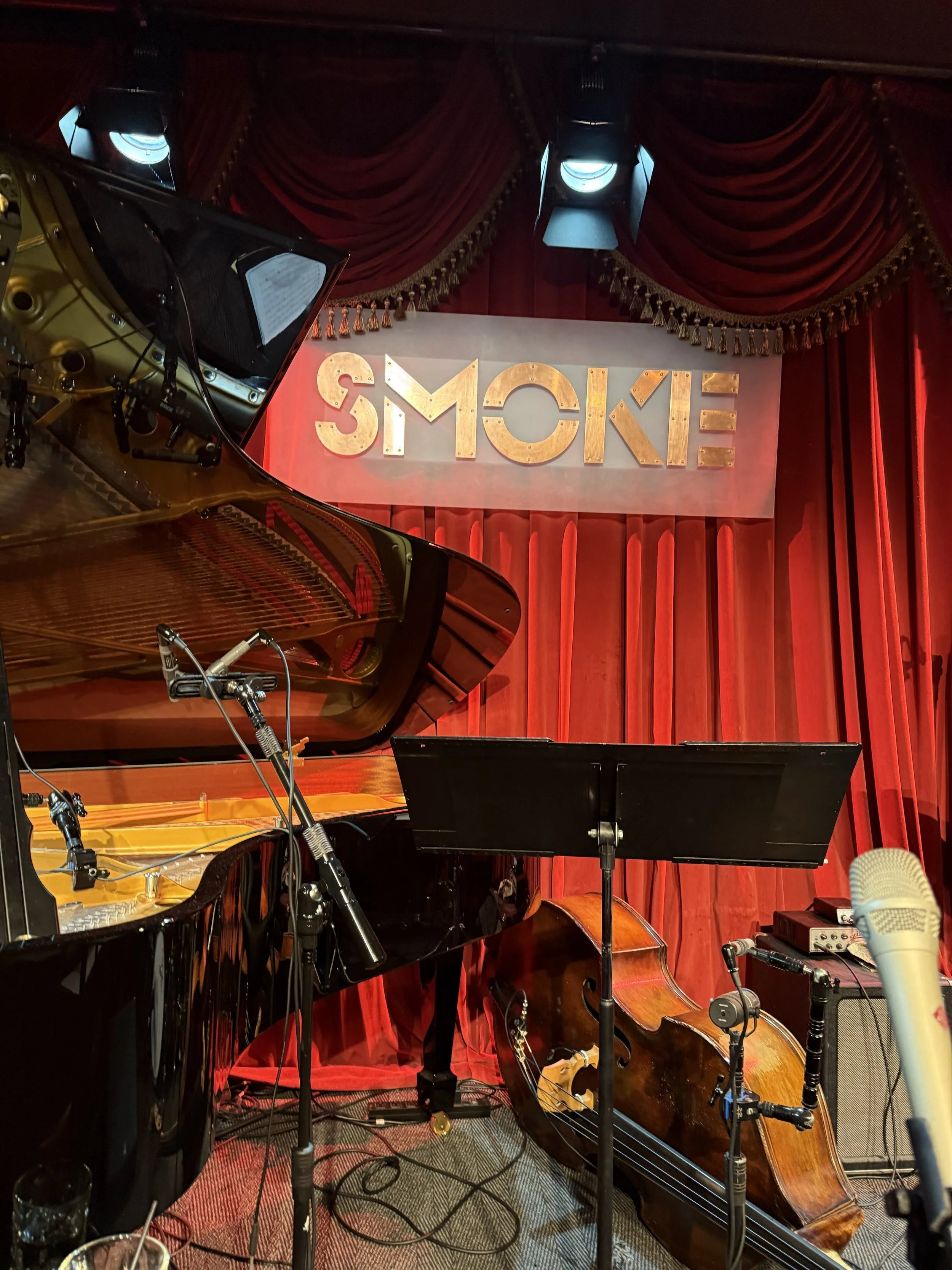
Harlem has long been central to jazz and to the communities that helped shape and sustain it. The neighborhood was home to artists, musicians and audiences who made the music part of a much larger cultural movement. Jazz was not simply entertainment. It was a form of expression, connection and identity.
That spirit still feels present.
At Smoke, the history did not feel distant or preserved. It felt current. The music was being interpreted by artists performing in their own voices, for an audience that had made a deliberate choice to be there. The venue was not relying on nostalgia. It was continuing a living tradition.
The evening reminded me that fandom is not always loud or highly visible online. Sometimes it looks like a sold-out room. It looks like people returning to a venue they trust. It looks like applause after a familiar opening note and strangers sharing a reaction without ever speaking to one another.
My first live jazz performance made me see Harlem a little differently. It also reminded me that the strongest communities are often built around shared experiences.
People come for the music, but they return for the feeling of being in the room together.