
5 SIGNS THAT PARTICIPATION IS THE PRODUCT
The brands building real fandom right now are not running louder campaigns; they are building systems.
What used to be marketing outputs are becoming participation infrastructures. Physical worlds. Ritualized calendars. Recurring formats. Co-authored moments. Earned anticipation.
This is not about engagement metrics, but the gravitational pull.
Below are five structural signals shaping participatory brand design in 2026.
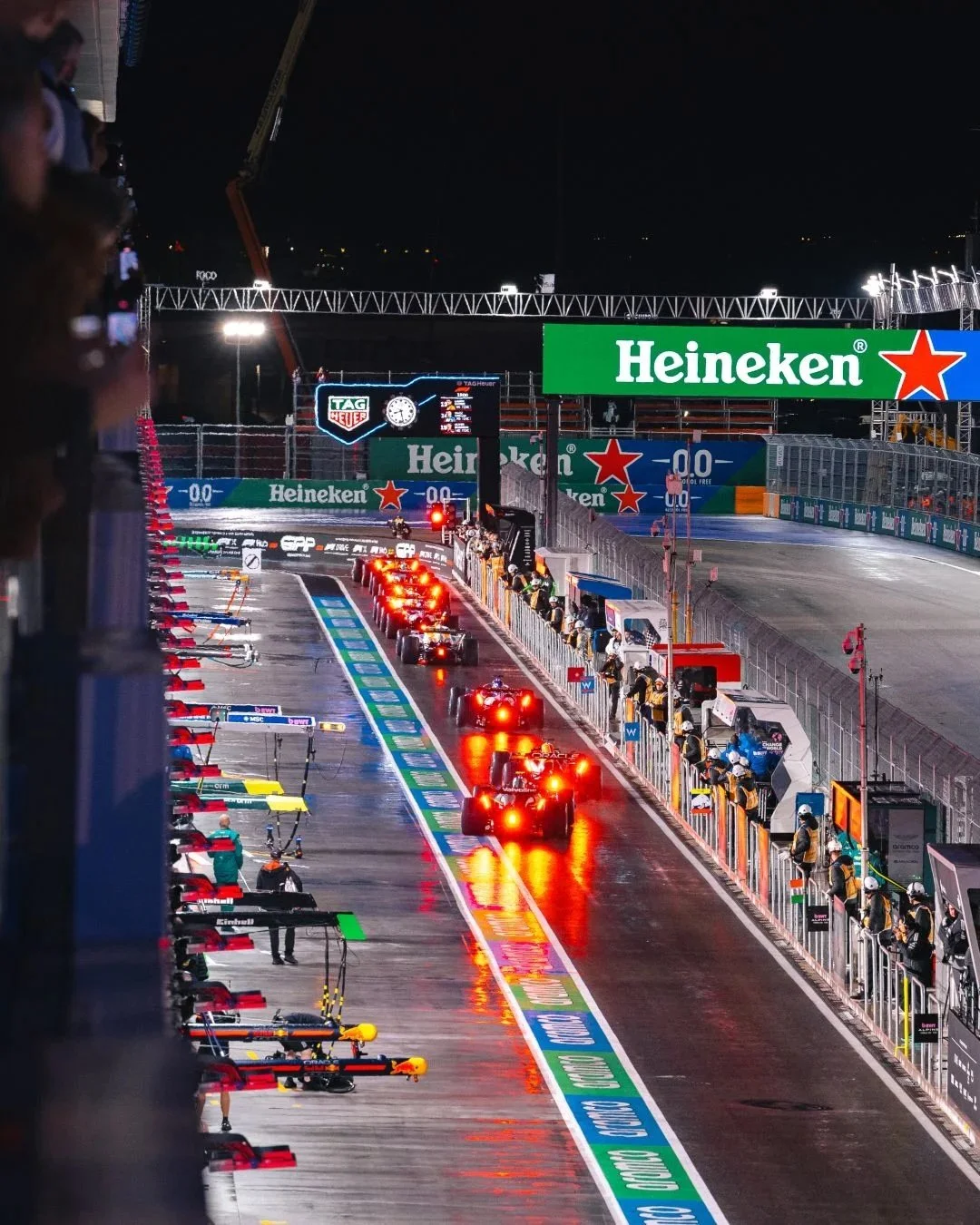
Formula 1 Las Vegas Grand Prix. Formula 1 Las Vegas Grand Prix. Formula 1, https://www.f1lasvegasgp.com/. Accessed 9 Mar. 2026.
1. WORLD-BUILDING AS INFRASTRUCTURE
Streaming used to be content distribution. Now it’s physical real estate.
Formula 1 race-weekend ecosystems. Multi-day fan zones that operate like cultural villages.
Formula 1 has mastered this shift. A Grand Prix is not a race. It’s an engineered social field. Paddock access. Simulators. Fan stages. Merch rituals. Content capture zones. The sport has moved from broadcast spectacle to immersive environment.
Fandom compounds when people can say: I was there.
Physical participation creates shared memory. Shared memory creates mass. Mass creates gravity. And gravity is what pulls fans back without being pushed.
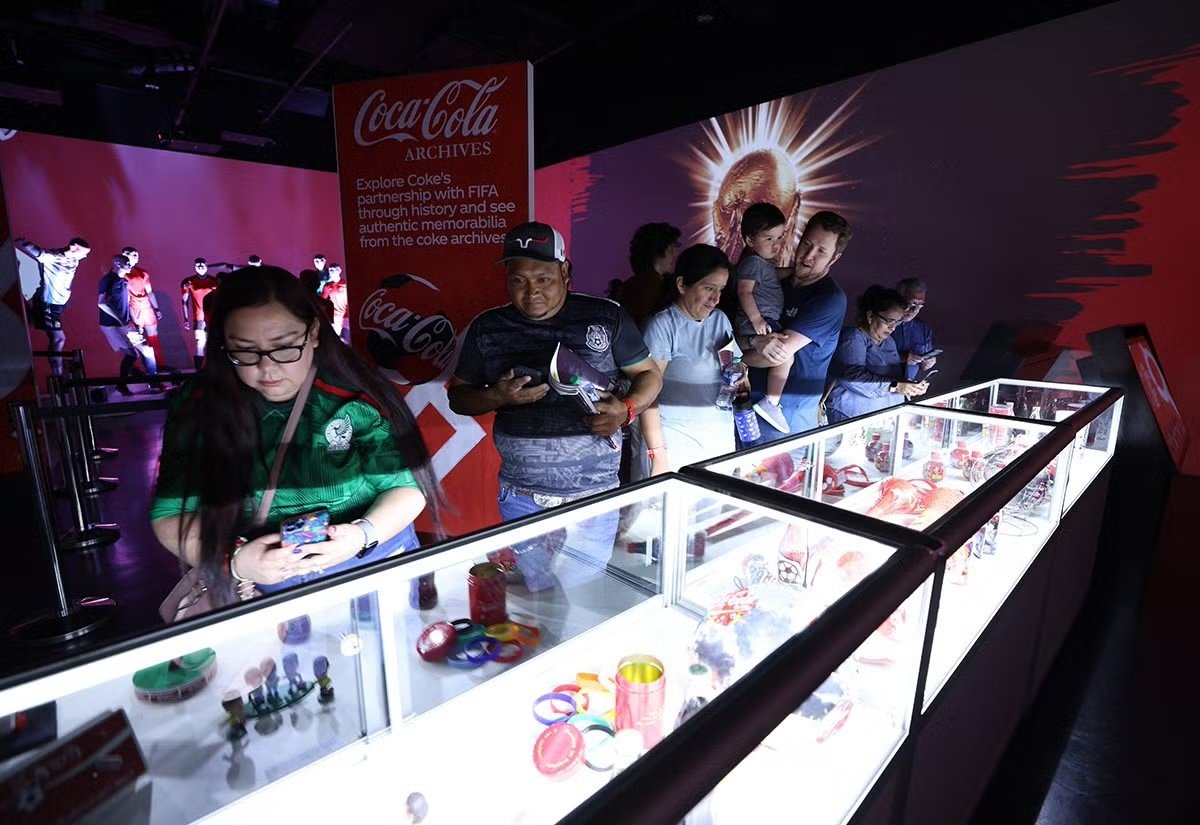
“Coca-Cola FIFA World Cup Trophy Tour Dallas.” Event Marketer, https://www.eventmarketer.com/article/coca-cola-fifa-world-cup-trophy-tour-dallas/. Accessed 9 Mar. 2026.
2. RITUALIZED GLOBAL MOMENTS
Global tentpoles are no longer sponsorship platforms. They are belonging engines.
Coca-Cola’s FIFA Trophy Tour. FIFA Fan Festivals layered with music, community, and cultural programming.
Coca-Cola doesn’t just advertise around the World Cup. It embeds itself inside the ceremony of it. The Trophy Tour transforms an object into an artifact of shared reverence. Fans queue. They photograph. They witness.
The brand doesn’t interrupt the ritual. It participates in it.
FIFA’s fan festivals operate similarly. These aren’t just viewing parties. They are temporary cities where music, food, and national pride converge. Participation becomes physical and social, not just emotional.
Ritual creates repetition. Repetition creates continuity. Continuity creates attachment.
When a brand becomes part of the ceremony, it moves from sponsor to symbol. That shift cannot be bought through impressions alone.
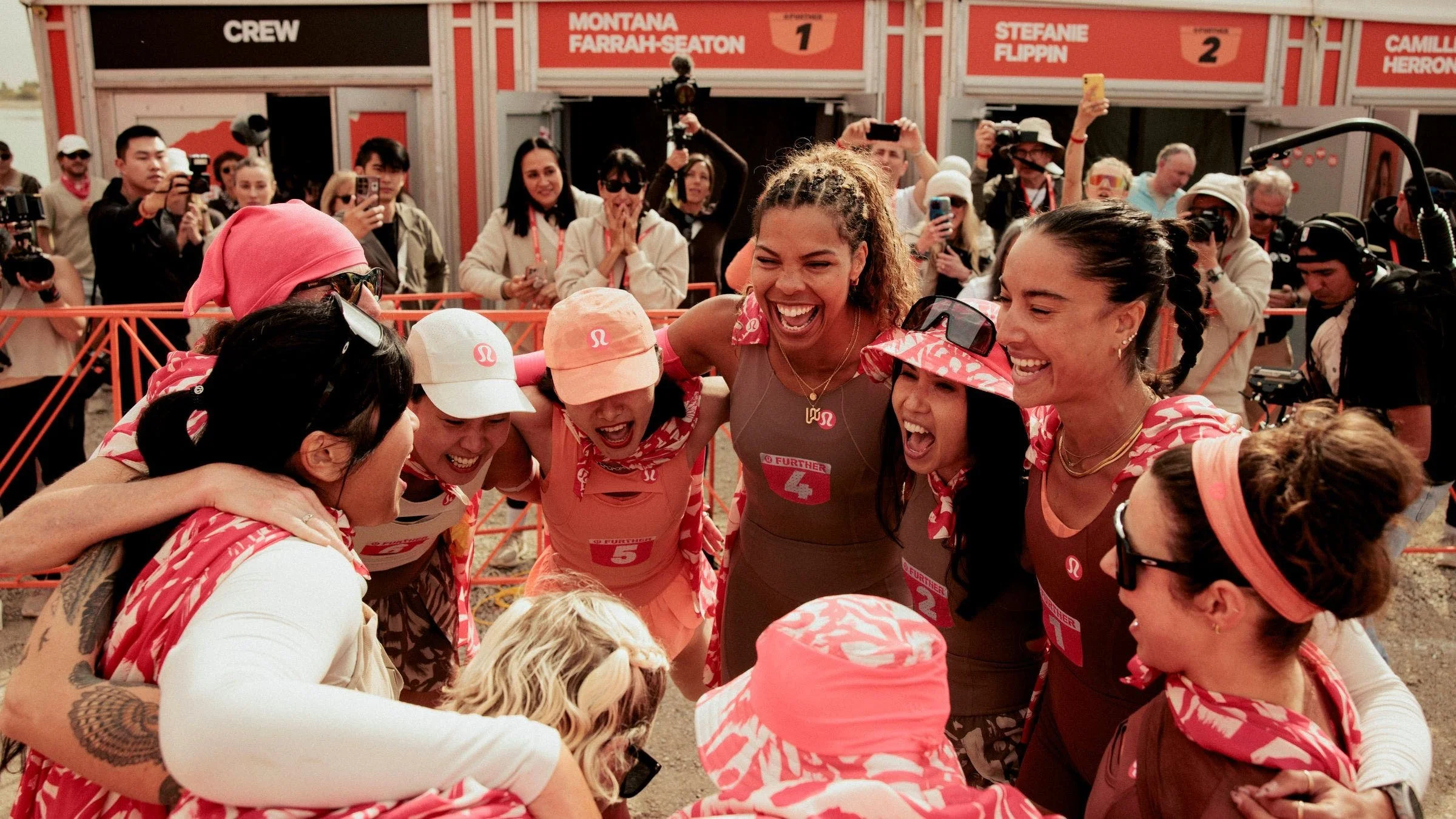
“Inside Further: An Ultra for the Instagram Age.” Outside Online, https://run.outsideonline.com/road/inside-further-an-ultra-for-the-instagram-age/. Accessed 9 Mar. 2026.
3. CONTINUITY OVER CAMPAIGNS
Fandom requires rhythm. Not spikes.
Lululemon run clubs and yoga gatherings.
Jordan drop events that feel like community convenings, not transactions.
Lululemon’s model is simple but powerful: free weekly programming. Ambassador networks. Store-based communities. These aren’t launches. They are ongoing systems.
Jordan has transformed product releases into cultural appointments. Drops are social rituals. Lines become meetups. The act of showing up becomes part of the mythology.
Both brands understand something critical: participation needs a calendar.
When fans know something is coming back, anticipation becomes a habit. Habit builds loyalty that doesn’t collapse between campaign cycles.

“YouTube Creator Summit 2017.” Wondershare Filmora, https://images.wondershare.com/filmora/article-images/youtube-creator-summit-2017.jpg. Accessed 9 Mar. 2026.
4. CO-AUTHORSHIP AS ATTACHMENT
The algorithm can distribute content. It cannot manufacture ownership.
TikTok Awards with fan voting integrated into live programming. YouTube creator events that blur the line between audience and collaborator.
TikTok has turned participation into format. Voting, duets, remixes. Awards that rely on fan input. The community doesn’t just watch outcomes. It influences them.
YouTube’s creator ecosystem thrives because fans don’t just consume videos. They comment, remix, critique, defend. They build lore. They build inside jokes. They create artifacts of their own.
This is co-authorship. When people contribute, they invest. When they invest, they defend. When they defend, gravity compounds.
Ownership changes behavior. It creates resilience through missteps and emotional durability over time.
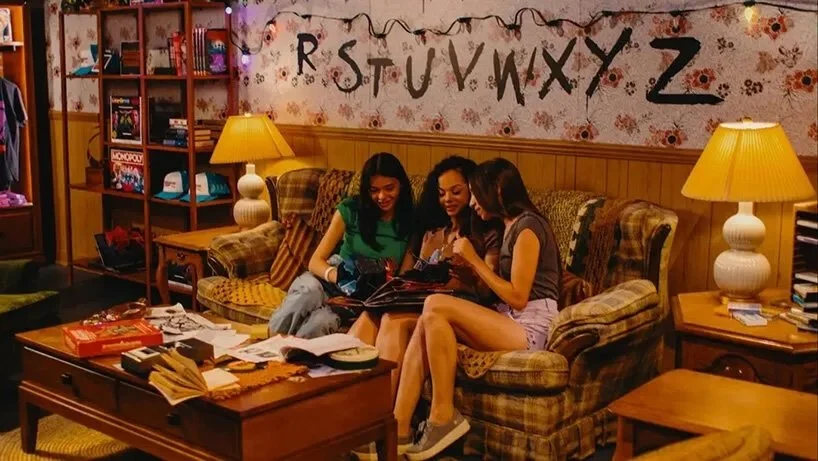
“Netflix House Philadelphia and Dallas.” Parametric Architecture, https://parametric-architecture.com/netflix-house-philadelphia-and-dallas/. Accessed 9 Mar. 2026.
5. ANTICIPATION AS VALUE
Access has been commoditized. Waiting has not.
Netflix shifting toward episodic cadence for major properties. Limited experiential pop-ups that reward physical presence over digital convenience.
The binge era flattened anticipation. Immediate access removed tension. Now, we’re seeing a return to earned episodic structures. Fans wait. They speculate. They gather weekly.
Scarcity, when engineered responsibly, reintroduces narrative arc. The waiting becomes part of the experience.
In physical spaces, limited pop-ups and appointment-based experiences restore friction. You have to show up. That effort carries identity weight.
Fandom is built under tension. It needs unresolved outcomes. It needs shared anticipation. Without friction, nothing accumulates.
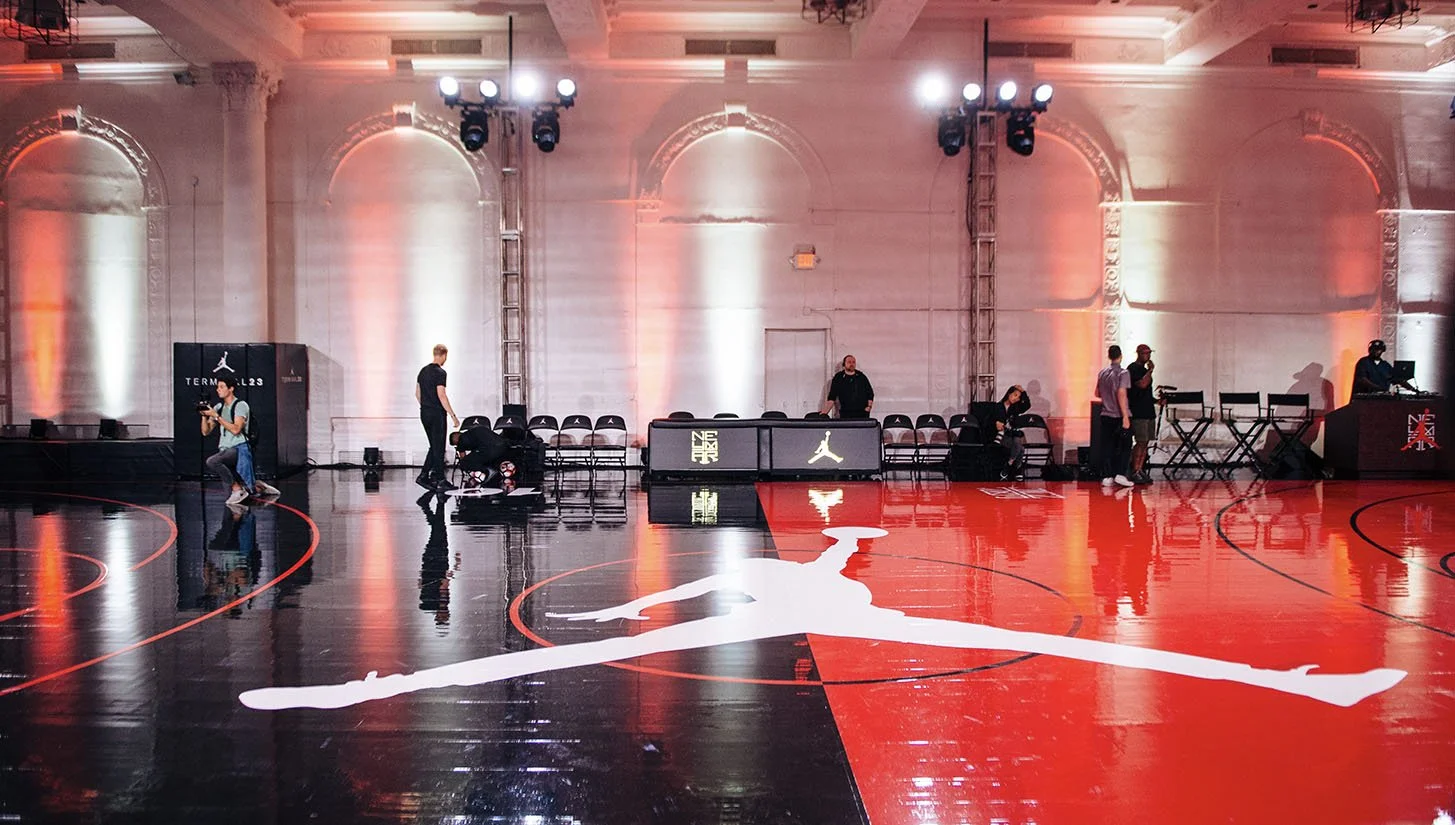
“NJR x Jordan x Nike Launch Event.” SoccerBible, https://www.soccerbible.com/news/2016/njr-x-jordan-x-nike-launch-event/. Accessed 9 Mar. 2026.
WHAT THIS SIGNALS FOR BRANDS
We are moving from transmission to participation. From reach to gravity. From audience to orbit.
The brands winning are not asking how many people did we reach.
They are asking:
How many people chose to enter our field?
How many returned without incentive?
How many defended us when we faltered?
Participation is not a tactic layer; it is structural design.
And the brands that understand this are not building campaigns. They are building worlds.
THE SOHO WAY
At SoHo Experiential, this is the work we do every day.
We help brands design experiences that turn audiences into communities and moments into lasting cultural gravity.
If you’re exploring how fandom can become part of your brand strategy, download our latest report: Brands Built for Fandom to see the frameworks, signals, and real-world examples shaping the future of brand experience.