
How to Think Global, Build Local
Local relevance has become one of the most repeated phrases in marketing. Nearly every brand claims to value community. Nearly every activation nods to culture. Yet when experiential programs tour city to city with only cosmetic adjustments, audiences feel the disconnect immediately.
The tension is not whether local context matters. It is how deeply brands are willing to design for it.
In a world of templated brand experiences, the real competitive advantage lives in nuance. Local voices. Regional rituals. Creator collaborations that feel less like branded partnerships and more like inside jokes. The difference between showing up and belonging is often measured in the smallest, most intentional decisions.
Designing for the local moment is not about shrinking ambition. It is about sharpening it.

“KIM Kardashian Rolls into New York to Celebrate Skims’ First Flagship Store in the Big Apple.” FashionNetwork.com, https://us.fashionnetwork.com/news/Kim-kardashian-rolls-into-new-york-to-celebrate-skim-s-first-flagship-store-in-the-big-apple,1686075.html. Accessed 24 Feb. 2026.
Why Local Context Is No Longer Optional
Communities are more fragmented and place-specific than they were a decade ago. Culture no longer flows solely from mass media outward. It circulates within neighborhoods, subcultures, and creator ecosystems. Algorithms may operate globally, but trust is still built locally.
This is why cultural experiential marketing strategy has become structural rather than decorative.
When brands replicate identical builds across markets, they signal efficiency. When they adapt thoughtfully to context, they signal investment. The first feels transactional. The second feels relational.
The brands building long-term equity are choosing the latter.
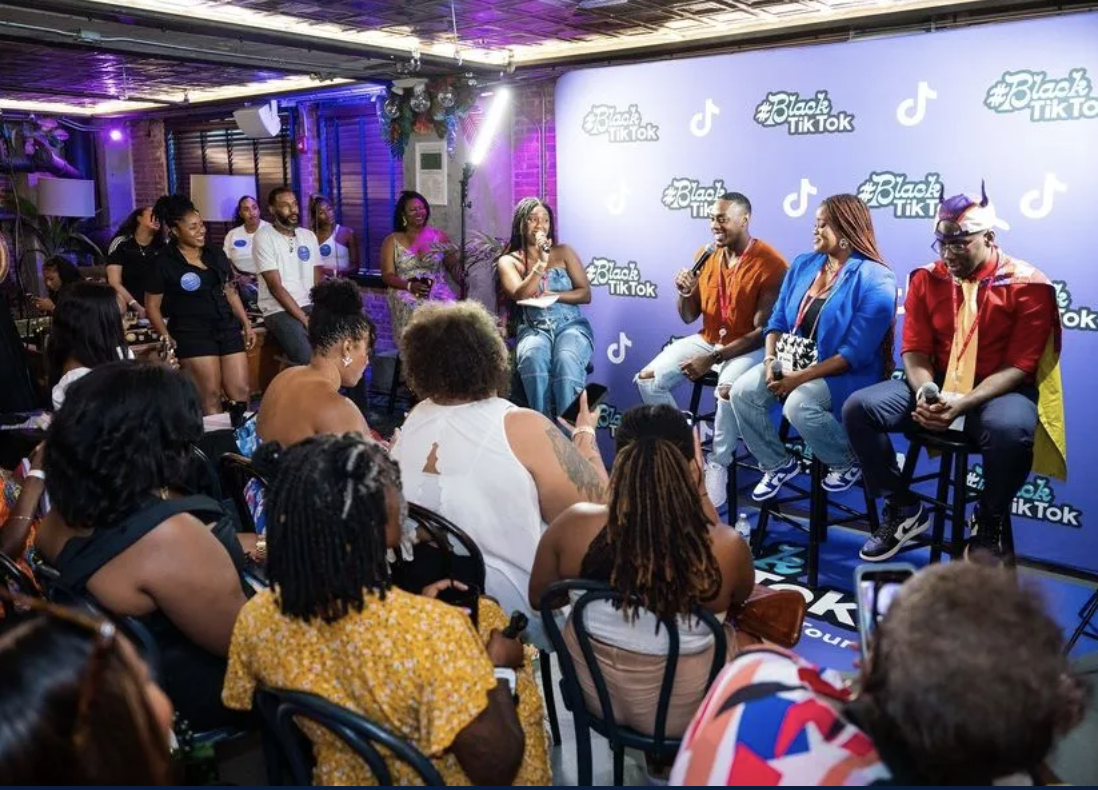
“Innovate Mkg: TikTok Diverse Creators Community Tour.” Innovate Mkg, https://innovatemkg.com/work/tiktok-diverse-creators-community-tour/. Accessed 24 Feb. 2026.
Mini Activations Inside Existing Community Spaces
Some of the most effective localized activations begin not with a build, but with an existing behavior.
Instead of constructing standalone environments, brands can embed themselves in spaces where culture is already active. Cafés. Studios. Run clubs. Neighborhood institutions.
Alo Yoga has leaned into community-based yoga sessions and wellness gatherings inside existing studios and public spaces, integrating the brand into rituals that were already happening. Rather than interrupting culture, the brand becomes part of its cadence.
When a brand enters an ecosystem with humility and adds value rather than volume, authenticity follows naturally.
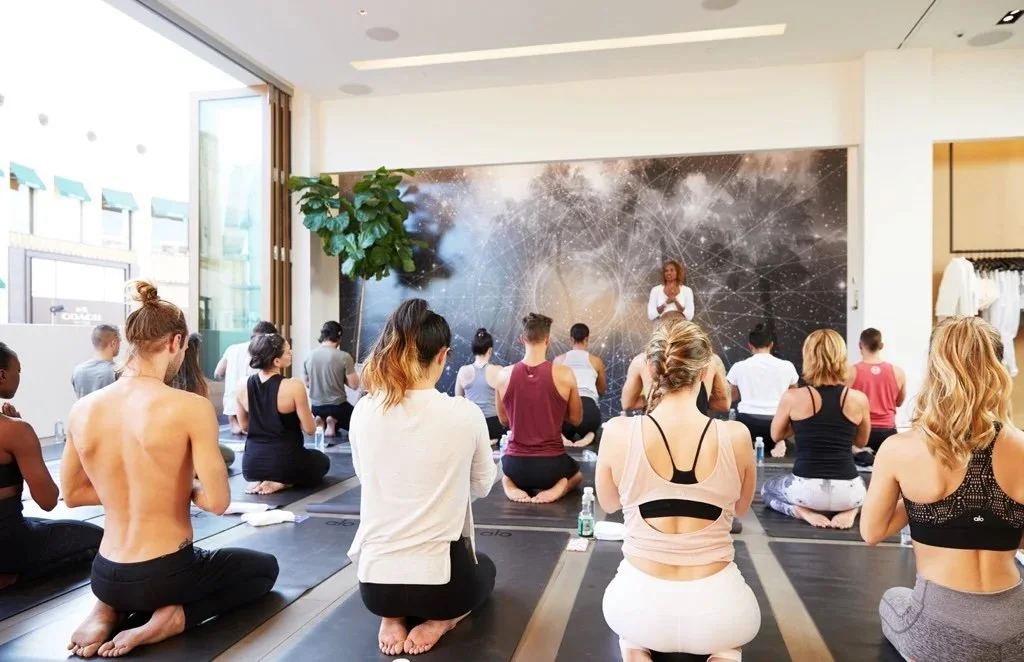
“Your Guide to Our June Yoga Events in LA & NY.” Alo Yoga, https://www.aloyoga.com/blogs/alo-blog/your-guide-to-our-june-yoga-events-in-la-ny. Accessed 24 Feb. 2026.
Modular Brand Worlds That Adapt to Place
Scalability and localization are not opposing forces. They require structure.
Skims demonstrates how a strong aesthetic backbone can travel across markets while adapting to context. The brand maintains a recognizable design language, but pop-ups and installations shift tone and collaboration depending on location. The architecture remains coherent. The cultural layer evolves.
This is the difference between replication and translation. A scalable brand experience succeeds when the framework is stable enough to travel and flexible enough to absorb local nuance.

“KIM Kardashian Rolls into New York to Celebrate Skims’ First Flagship Store in the Big Apple.” FashionNetwork.com, https://us.fashionnetwork.com/news/Kim-kardashian-rolls-into-new-york-to-celebrate-skim-s-first-flagship-store-in-the-big-apple,1686075.html. Accessed 24 Feb. 2026.
Creator-Hosted Experiences and Distributed Ownership
Cultural credibility cannot be manufactured. It must be earned, and often borrowed responsibly.
Instead of relying solely on traditional brand ambassadors, forward-thinking brands are empowering local creators to host and interpret experiences within their own communities. TikTok has extended its creator ecosystem into physical space through localized meetups and in-market programming tied to major cultural tentpoles. These gatherings are not polished spectacles designed for passive consumption. They are environments built for collaboration, exchange, and co-authorship. TikTok provides the framework, but the energy and direction are shaped by the creators themselves.
When authorship is distributed, the experience feels less imported and more embedded. Participation becomes natural, and memory becomes personal.
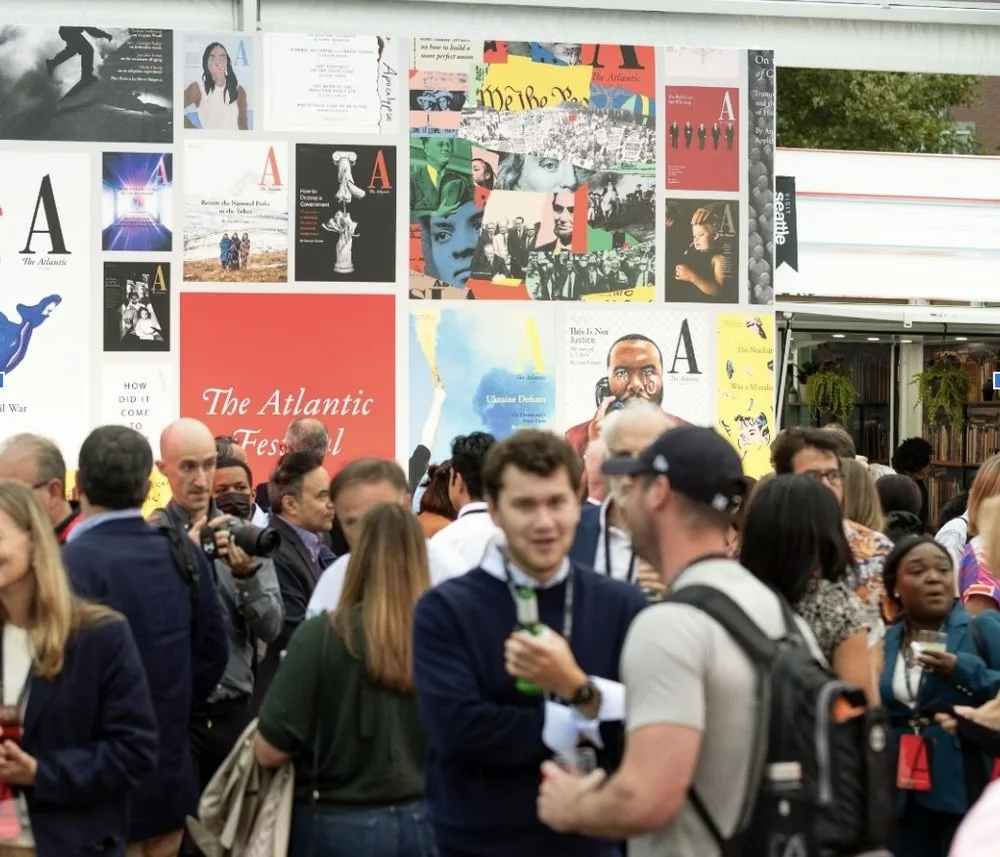
“The Atlantic Festival 2023.” The Atlantic, https://www.theatlantic.com/live/atlantic-festival-2023/. Accessed 24 Feb. 2026.
Conversation-Forward Formats
Not every powerful experience needs a massive footprint. Some of the most culturally resonant activations are built around dialogue rather than display.
The Atlantic has expanded its journalism into live forums and city-based conversations that center ideas, debate, and civic discourse. These gatherings are intentionally structured for exchange rather than spectacle. Smaller audiences, carefully curated speakers, and thoughtful moderation create environments where attention is sustained and participation feels meaningful.
In these rooms, the brand does not dominate the stage. It facilitates the conversation. Authority is built through substance rather than scale.
Intimacy, in this model, becomes a credibility engine.
Another powerful example is Red Bull’s Dance Your Style. Rather than scripting choreography or judging through traditional panels, the format hands decision-making power directly to the audience. Local street dancers compete in city-based battles, and the crowd determines the winner in real time.
The structure travels globally, but the music, movement, and cultural tone shift by market. The framework is consistent. The energy is hyper-local.
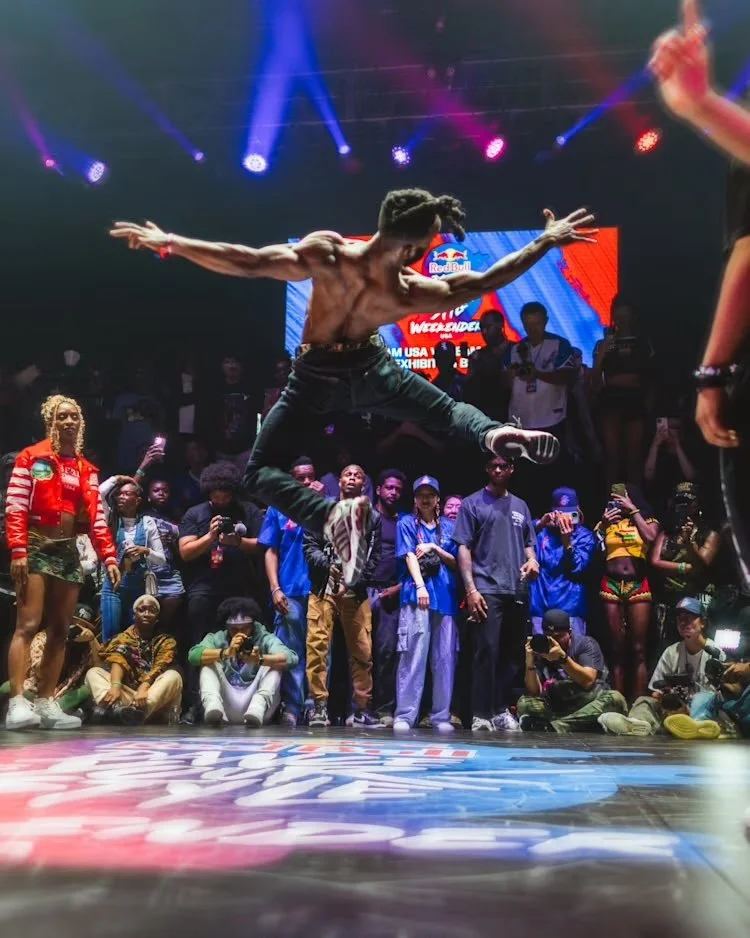
“Red Bull Dance Your Style.” Red Bull, https://www.redbull.com/int-en/event-series/dance-your-style. Accessed 24 Feb. 2026.
Designing for Context Before Production
Localization begins long before fabrication.
Before designing an experience, brands should ask:
Who is already gathering here, and why?
What rituals, tensions, or aesthetics define this place?
Which creators or institutions hold real credibility?
What language would feel native rather than imposed?
Local experiential marketing is not about inserting a logo into culture. It is about understanding the ecosystem you are entering and contributing meaningfully to it.
The most successful brands listen first.
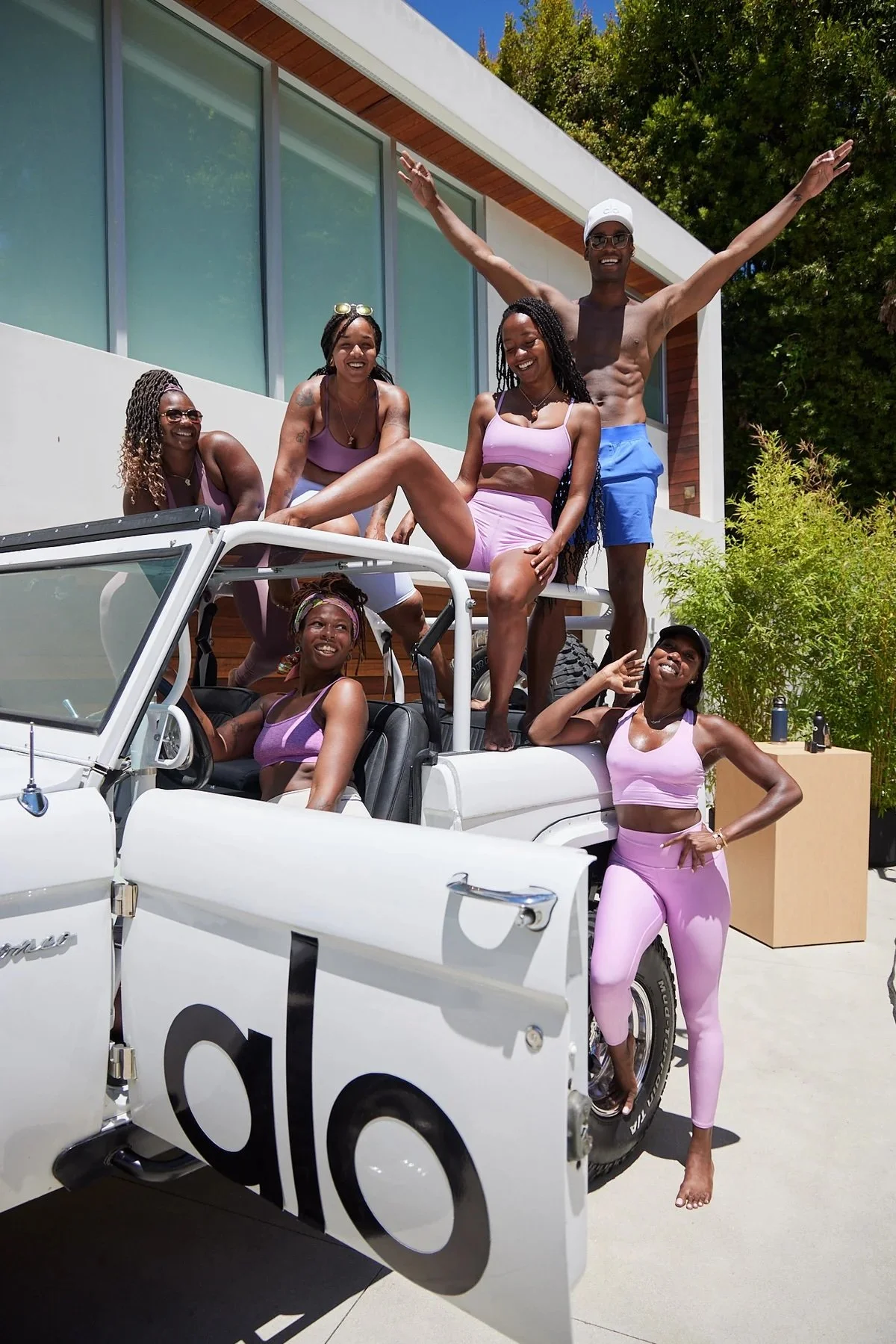
“Los Angeles Alo House Roundup.” Alo Yoga, https://www.aloyoga.com/blogs/alo-blog/los-angeles-alo-house-roundup. Accessed 24 Feb. 2026.
Design Principles That Travel Well
Designing for the cultural moment requires a few core commitments.
Familiar entry, layered discovery. An experience should feel intuitive to access, but rich enough to reward exploration.
Cultural fluency over uniformity. Consistency in narrative does not require identical physical builds. Place-based nuance strengthens global coherence.
Bring something useful. Utility may take the form of education, beauty services, rest, skill-building, or connection. Value creates gratitude. Gratitude builds affinity.
These principles allow scalable brand experiences to retain soul as they grow.
Scaling Localization Without Losing Depth
Localization does not require reinventing the wheel in every city. It requires building systems that are designed to absorb context.
At SoHo, we approach this through three structural levers.
First, develop a local kit-of-parts. Create plug-and-play visual systems, sensory cues, interaction formats, and language frameworks that can flex per market while retaining core identity.
Second, establish a local host network. Empower creators and cultural connectors to shape programming within the brand’s structure, ensuring distributed ownership.
Third, document and refine. Track what resonates in each city, from dwell time and CRM capture to qualitative feedback. Over time, the format evolves intelligently.
When localization is embedded into the architecture, scale strengthens authenticity rather than diluting it.
Designing for Belonging
The future of experiential marketing will not be defined by how many cities a brand touches. It will be defined by how deeply it integrates into each one.
Designing for the local moment requires humility, listening, and a willingness to adapt without losing clarity of identity. When done well, it produces something more durable than spectacle.
It produces belonging. And belonging is what lasts.
Ready to design for belonging? Let’s chat.