
Designing for Fandom: Turning Audiences into Communities
What makes someone defend a brand?
Not recommend it. Not purchase it again. Defend it.
In a market where every category has endless options and every product is one click away, repeat purchase is no longer the benchmark. Access is ubiquitous. Distribution is seamless. Performance is expected.
And yet, some brands feel different. People organize around them. They build language around them. They shape parts of their identity through them.
That difference is not loyalty. It’s fandom. And in 2026, fandom is not accidental. It’s designed.
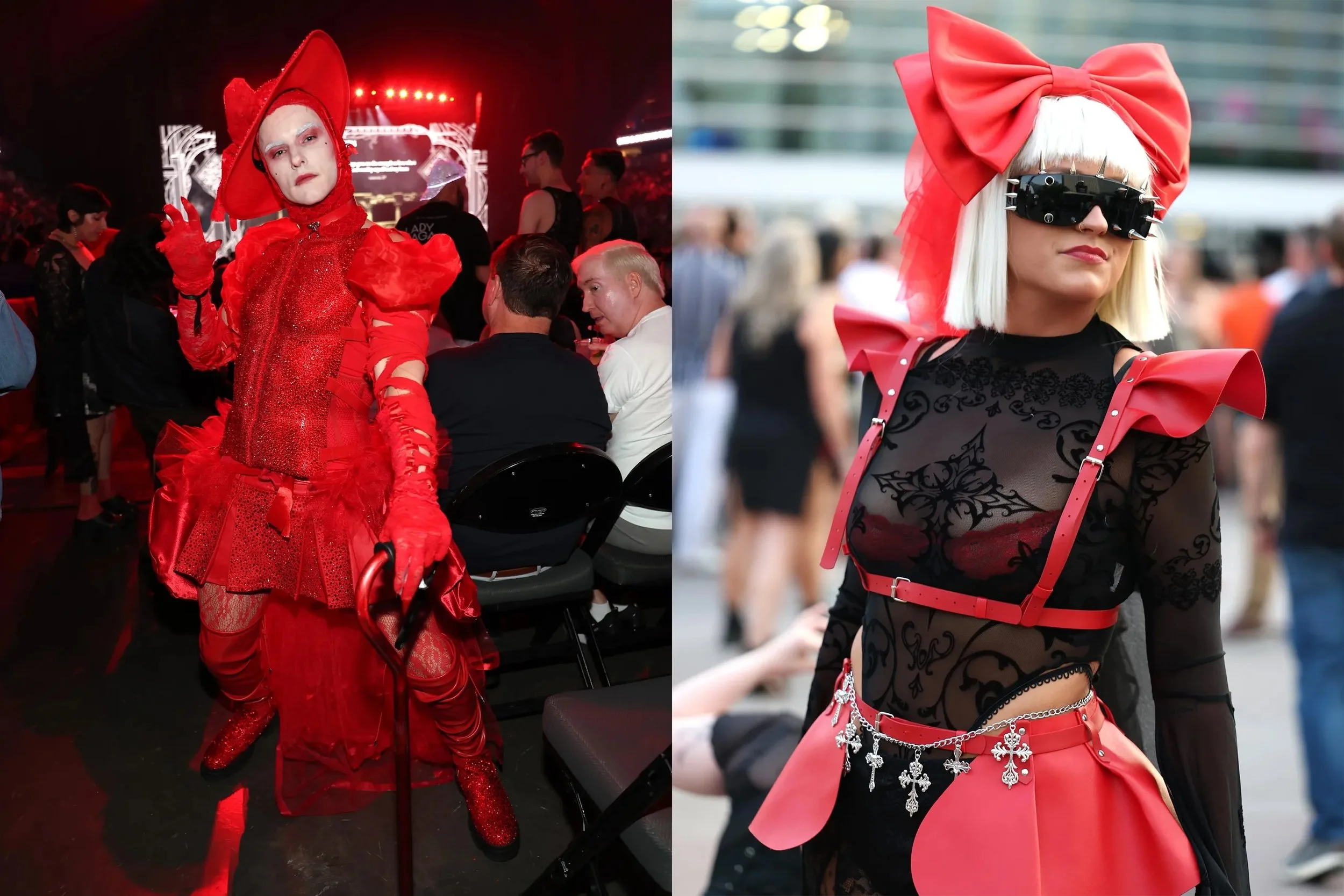
“Lady Gaga’s Mayhem Ball Tour Is a Masterclass in Fan Fashion.” Vogue, 2024, www.vogue.com/article/lady-gaga-mayhem-ball-tour-fan-fashion. Accessed 2 Mar. 2026.
Intention to Belonging
In January, we explored The Year of Intentional Experience. We argued that spectacle is losing strategic power and that smaller, repeatable, purpose-driven formats are becoming more effective. Intentional design creates continuity. Continuity creates memory.
In February, we focused on cultural fluency. Participation only works when it is contextually relevant. Brands do not earn presence in culture by default. They earn it through specificity, listening, and alignment.
March extends that logic.
If intentional format creates the container, and cultural fluency earns the invitation, fandom is what sustains the relationship.
Participation is behavioral. Fandom is relational. And increasingly, relational depth is what determines brand resilience.
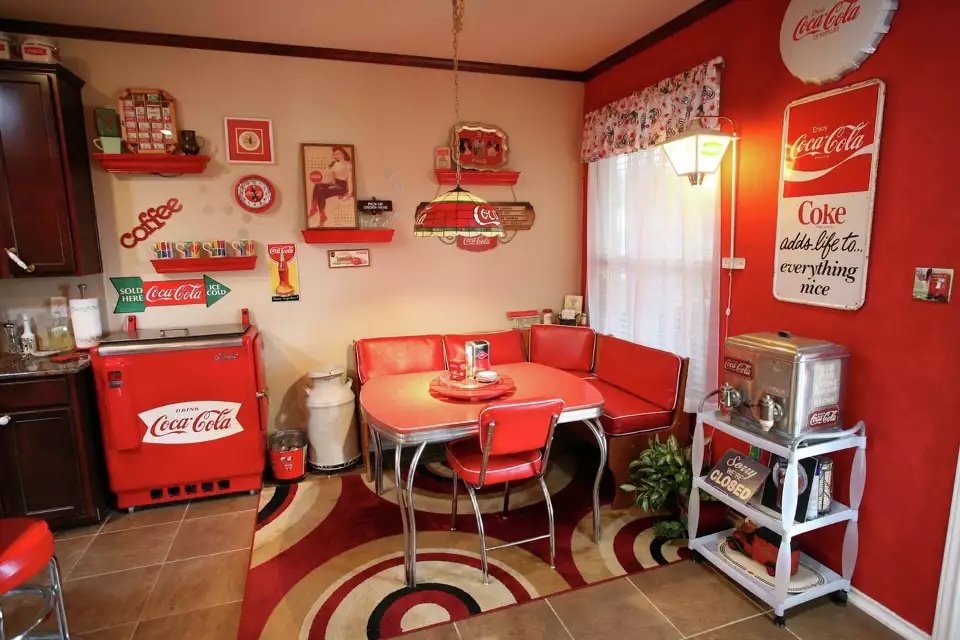
“Spaces: Couple Finds Things Go Better with Coke.” MySA, 30 Apr. 2012, www.mysanantonio.com/real-estate/article/Spaces-Couple-finds-things-go-better-with-Coke-3515993.php. Accessed 2 Mar. 2026.
Loyalty Is Transactional. Fandom Is Identity-Based.
It’s important to distinguish fandom from traditional loyalty.
Loyalty programs reward repetition. They incentivize return. They reinforce purchasing behavior.
While loyalty can be bought, fandom cannot.
You can be loyal to a utility product because it performs well or costs less. That does not mean it becomes part of your identity. Fandom, by contrast, signals alignment. It communicates belonging. It creates a shared language between people who may not know each other yet.
In a fragmented culture where traditional containers for identity have weakened, people increasingly seek communities organized around shared passions. Brands have an opportunity to facilitate those spaces. Not to dominate them, but to support them.
This is where the strategic shift begins.
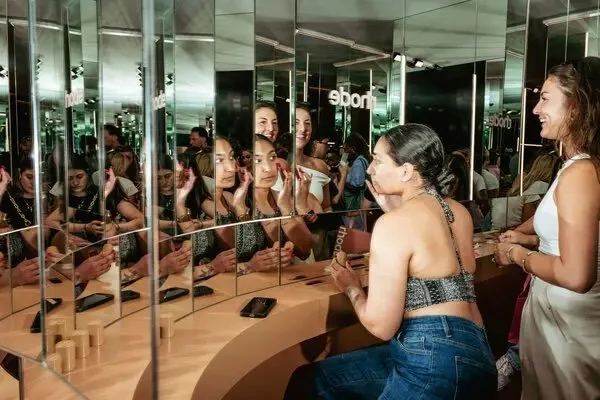
Friedman, Vanessa. “Hailey Bieber’s Rhode and the New Rules of Celebrity Beauty.” The New York Times, 24 June 2024, www.nytimes.com/2024/06/24/style/hailey-bieber-makeup-rhode.html. Accessed 2 Mar. 2026.
Storefront to Infrastructure
Most brands operate like storefronts.
They have:
A product
A website
A social presence
A media budget
That model works for distribution. It does not build devotion. Fandom requires infrastructure.
Infrastructure means creating spaces where fans find each other through you, not just find you. It means designing rituals that reinforce shared identity. It means building feedback loops that allow co-authorship and adaptation over time.
An audience consumes and leaves.
A community consumes and contributes.
The brands gaining momentum right now are not asking, “How do we reach our audience?” They are asking, “How do we create a place where our people can express who they already are?”
That question changes how you design everything from activations to content ecosystems to CRM strategy.
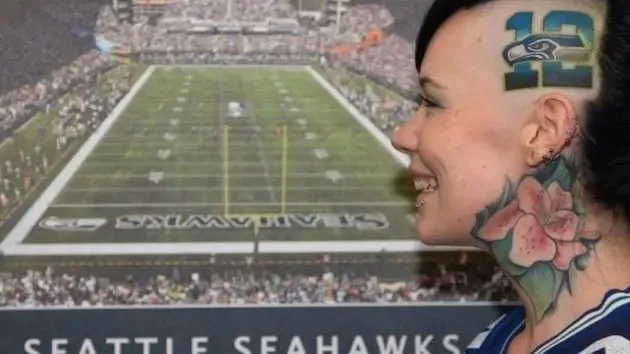
“Seahawks Fan’s Head Tattoo Did Not Win Playoff Game.” Yahoo Sports, 2013, ca.sports.yahoo.com/blogs/nfl-shutdown-corner/seahawks-fans-head-tattoo-did-not-win-playoff-193431428--nfl.html. Accessed 2 Mar. 2026.
The Fandom Equation
Through our research and conversations leading into SXSW, one pattern has become clear: fandom does not emerge from isolated campaigns. It emerges from systems.
We think of it as The Fandom Equation:
Intentional format provides continuity.
Cultural fluency provides credibility.
Emotional infrastructure provides belonging.
Emotional infrastructure includes:
Recurring experiential formats that people anticipate
Ritualized participation that reinforces shared identity
Co-authorship that allows fans to leave their fingerprints
Edge-sensing that listens before broadcasting
Organizational velocity that responds to community signals
When these elements are present, experiences compound. When they are absent, even strong activations dissipate quickly.
Why This Matters in 2026 Planning
Two macro forces are shaping this moment.
First, algorithmic systems are increasingly assigning identity categories to people before they consciously choose them. Second, culture itself has become financialized. Drops, speculation, limited releases, resale markets. Moments are monetized rapidly.
In that environment, brands face a choice.
They can extract short-term attention.
Or they can build regenerative ecosystems.
Brands that ignore the shift toward fandom rarely disappear immediately. Instead, they erode. They compete on price. They lose differentiation. They become interchangeable.
Fandom, by contrast, protects long-term lifetime value. It builds advocacy rather than passive recommendation. It generates participation rather than fleeting impressions.
From a measurement standpoint, this translates into:
Increased return behavior
Higher engagement velocity
Stronger community-generated content
CRM depth over time
Sustained brand perception lift
This is not abstract. It is structural.
What Built for Fandom Looks Like in Practice
Built for fandom does not look like a bigger campaign. It looks like an operating system.
It looks like recurring experiences instead of isolated activations. It looks like community chapters instead of generic email lists. It looks like co-created moments instead of tightly controlled narratives.
It requires brands to shift from monologue to dialogue. From broadcast to facilitation. From control to collaboration.
The strongest fandom ecosystems do not rely solely on product performance. They give people a reason to gather, customize, remix, and return.
Access is commoditized. Belonging is not.
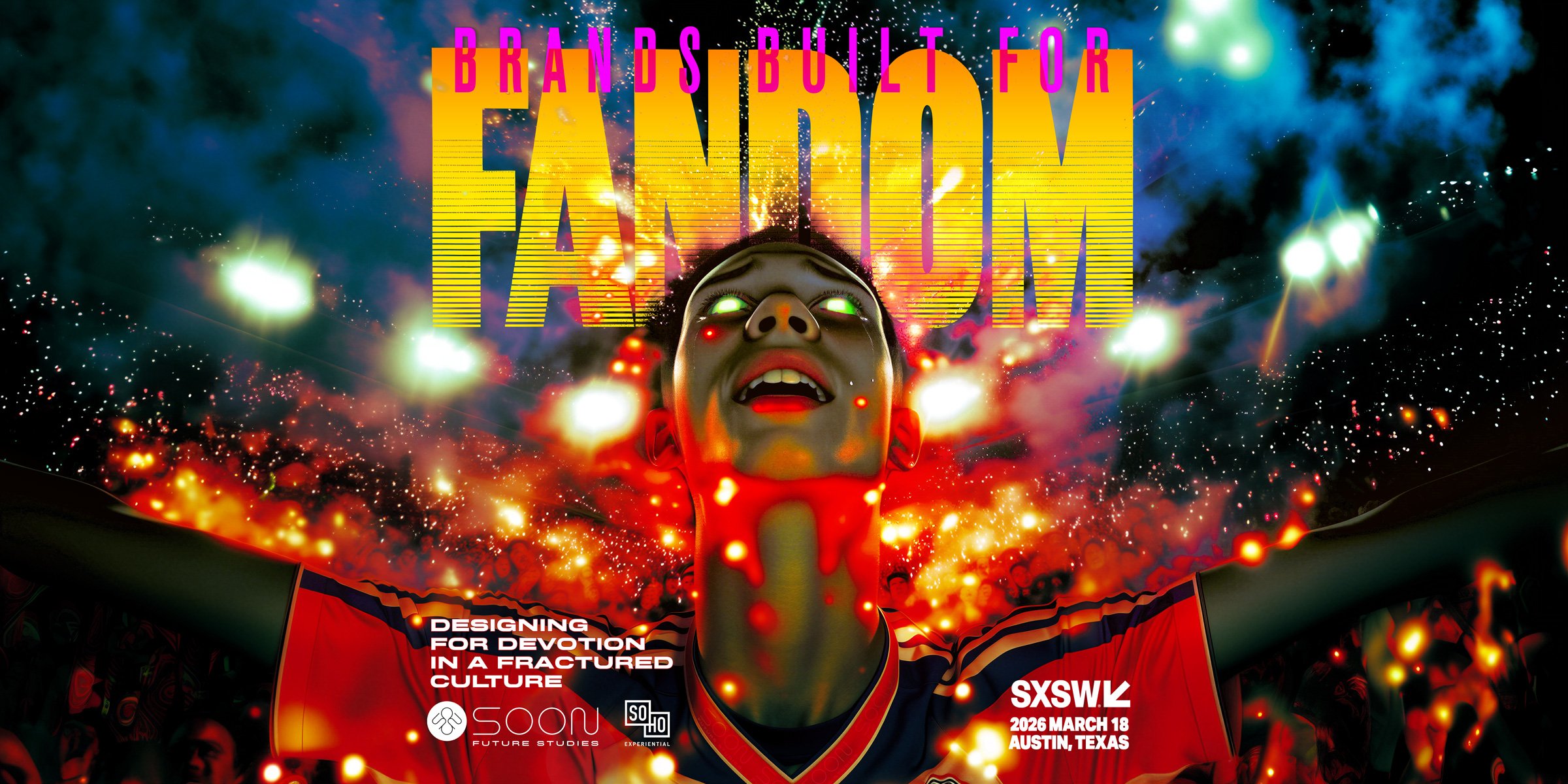
Brands Built for Fandom Report. https://www.sohoexp.com/brands-built-for-fandom.
Introducing Brands Built for Fandom at SXSW
This March at SXSW, we’re unveiling Brands Built for Fandom, a strategic playbook for brands navigating this shift.
The report reframes fandom not as fan culture commentary, but as infrastructure design. It offers diagnostics, frameworks, and case studies to help brand teams recalibrate how they approach experiential, content, and community-building in 2026 and beyond.
The central question is simple:
Are you building something people can belong to?
Or something they can only buy?
The brands that answer that question thoughtfully will not just capture attention. They will earn allegiance.
The brands that answer that question thoughtfully will not just capture attention. They will earn allegiance. Ready to turn your brand into a sesne of belonging? Let’s chat.